 Your Website Name


Far Infrared Radiation Heating Plate
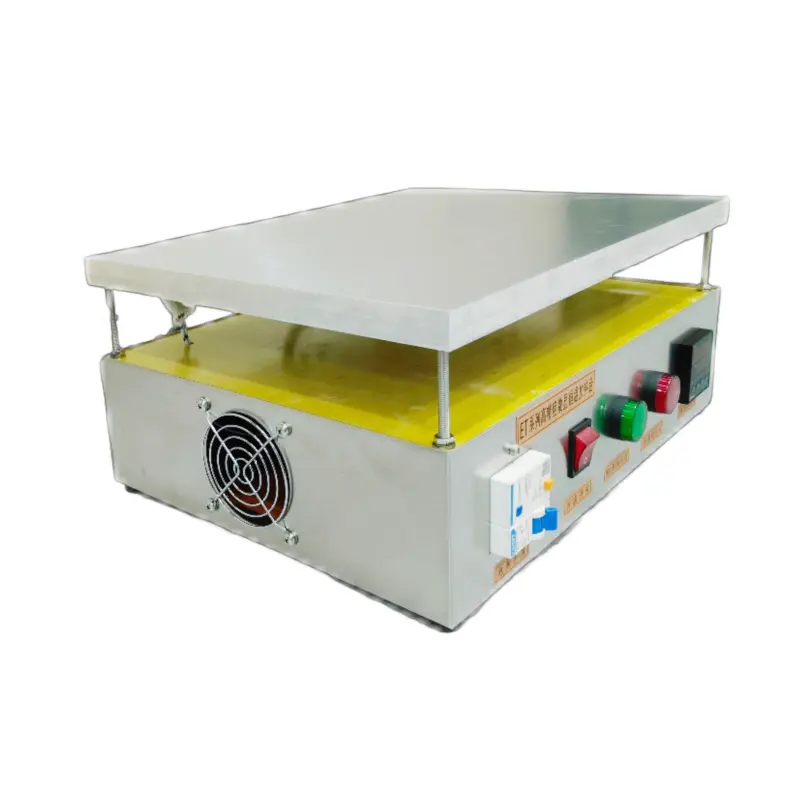
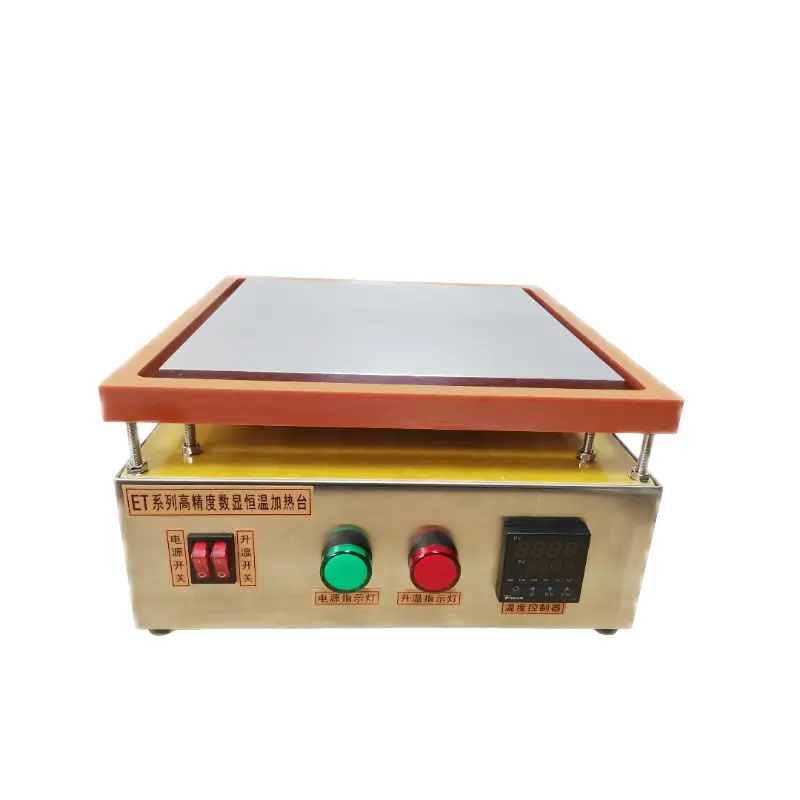
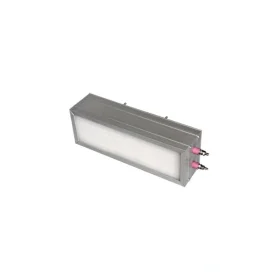
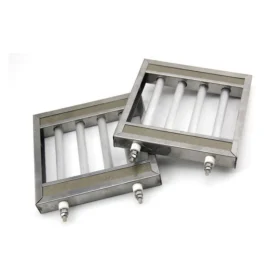
Far infrared radiation heating plates are mainly used for non-contact heating of workpieces. Main product series include radiation heating plates (quartz glass panel), quartz heating tubes (assemblable into array modules), quartz heating coils, ceramic heating tiles and silicon carbide heating plates. Far infrared radiation heaters feature high thermal efficiency, energy conservation and eco-friendliness.
The directional far infrared radiation plate adopts an aluminum alloy assembly frame with lightweight built-in insulating thermal boards. Resistance wires are evenly laid on the insulation surface as heating elements. The front heating surface is covered with high-temperature resistant quartz glass to secondary excite thermal energy and radiate far infrared electromagnetic waves.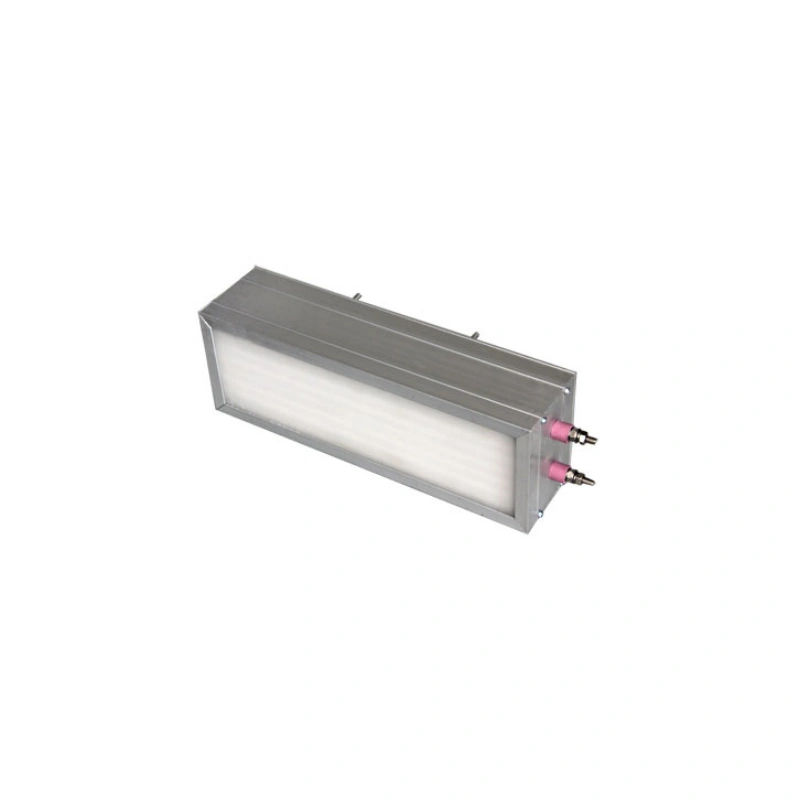
1. Key Product Features
- Non-contact far infrared radiant heating
- Directional concentrated heating, low heat loss, high efficiency and superior energy-saving performance
- Flexible layout according to heating requirements, simple and convenient installation
- Standard sizes in stock, all other dimensions customizable
- Product category: Far infrared radiation heating plate
2. Universal Technical Specifications
- Standard dimension: 307*107*80 mm, 220V 1.2kW
- Max customizable width: 307 mm
- Max customizable length: 4000 mm
- Standard thickness: 80 mm
- Max power density: 4 W/cm²
- Max surface temperature: 600°C (1112°F)
- Peak radiation wavelength: 3~10 μm
- Operating voltage: AC220V, AC380V (single / three phase)
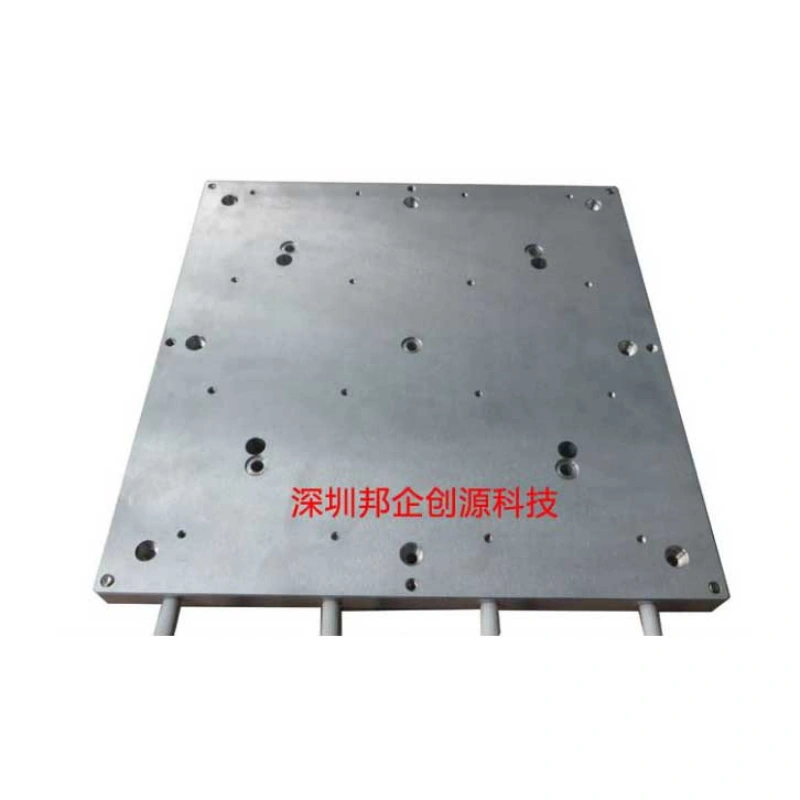
3. Full Model Specification Chart
| Model No. | Length (mm) | Width (mm) | Voltage (V) | Power (kW) | Weight (kg) |
|---|---|---|---|---|---|
| ET-100-3 (In Stock) | 307 | 107 | 220/380 | 1.2 | 1.7 |
| ET-100-6 | 607 | 107 | 220/380 | 2 | 3.4 |
| ET-100-9 | 907 | 107 | 220/380 | 3 | 5.0 |
| ET-100-12 | 1207 | 107 | 220/380 | 4 | 6.6 |
| ET-100-15 | 1507 | 107 | 220/380 | 5 | 7.2 |
| ET-100-18 | 1807 | 107 | 220/380 | 6 | 8.8 |
| ET-300-3 | 307 | 307 | 220/380 (1/3φ) | 3 | 5.0 |
| ET-300-6 | 607 | 307 | 380 (3φ) | 6 | 10.0 |
| ET-300-9 | 907 | 307 | 380 (3φ) | 9 | 15.0 |
| ET-300-12 | 1207 | 307 | 380 (3φ) | 12 | 20.0 |
| ET-300-15 | 1507 | 307 | 380 (3φ) | 15 | 25.0 |
| ET-300-18 | 1807 | 307 | 380 (3φ) | 18 | 30.0 |
※ Longer customized lengths are available, maximum customizable length up to 4 meters.
4. Ordering Instructions
Parameters to be provided when placing an order:
• Overall outer dimensions
• Operating voltage & rated power
• Mounting orientation
Minimum order quantity: 1 unit
5. Typical Application Fields
- Automotive paint baking booth
- Industrial production drying ovens
Standard models are in stock for immediate delivery, available for heating process trials.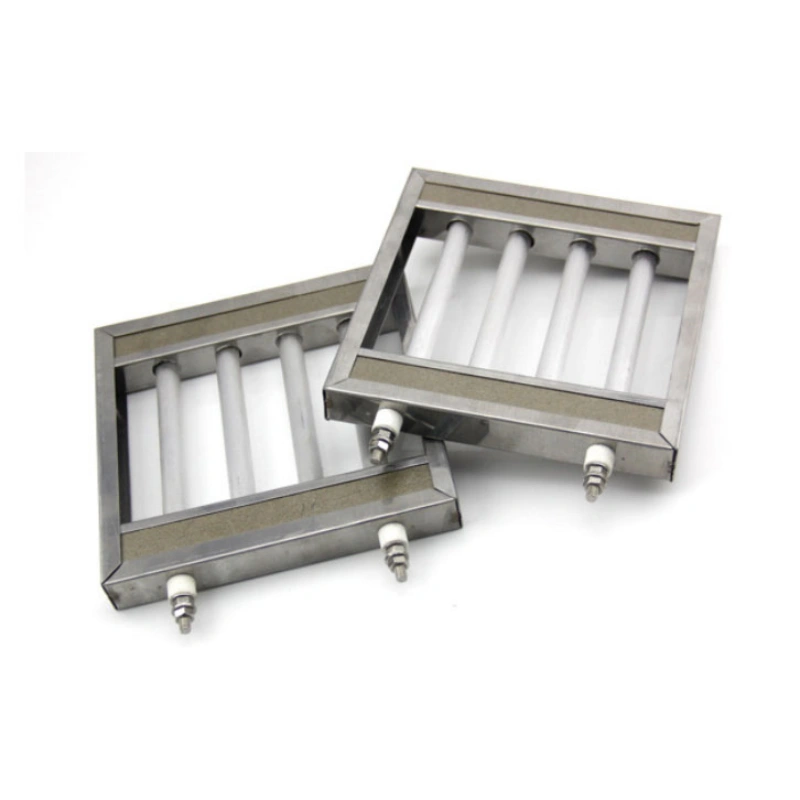
6. Safety & Maintenance Precautions
- The internal resistance wire must be installed horizontally during mounting; tilt angle shall not exceed 15°. Notify us before customization if special mounting angles are required.
- No liquid contact allowed during storage and operation.
- Ambient temperature inside heating chamber shall not exceed 300°C to avoid softening of aluminum alloy housing. Notify us before customization for processes over 300°C for upgraded housing material.
- Do not touch the hot surface and surrounding frame while the heater is running to prevent scald injury.
- Cut off mains power and let the heater cool fully to room temperature before any maintenance work.
7. Advantages of Infrared Heating Plate vs Conventional Heating Modes
1. Traditional Mode 1: Thermal Conduction Heating
Heat transfers via surface-to-surface contact. The medium itself carries heat and generates massive heat loss when exposed to air. Heat only penetrates from the outer surface of the workpiece, severely reducing drying quality. Part of energy is consumed by the medium instead of fully transferred to the target workpiece.
2. Traditional Mode 2: Convection Heating
Air acts as heat transfer medium to deliver thermal energy to workpieces. Air is a poor thermal conductor and hard to heat up, creating over 30% heat loss. Hot air circulates with cold air and dissipates large amounts of heat (thermal loss >30%). Convection heat has no penetration and only acts on the workpiece surface; further energy loss occurs during conduction inward.
3. Traditional Mode 3: Ordinary Far Infrared Heating (Low Efficiency Type)
Radiation only reaches the workpiece surface without penetration depth. Energy is lost when the surface contacts air during heat transfer, heat conducts slowly from outer layer to inner core with extra energy waste.
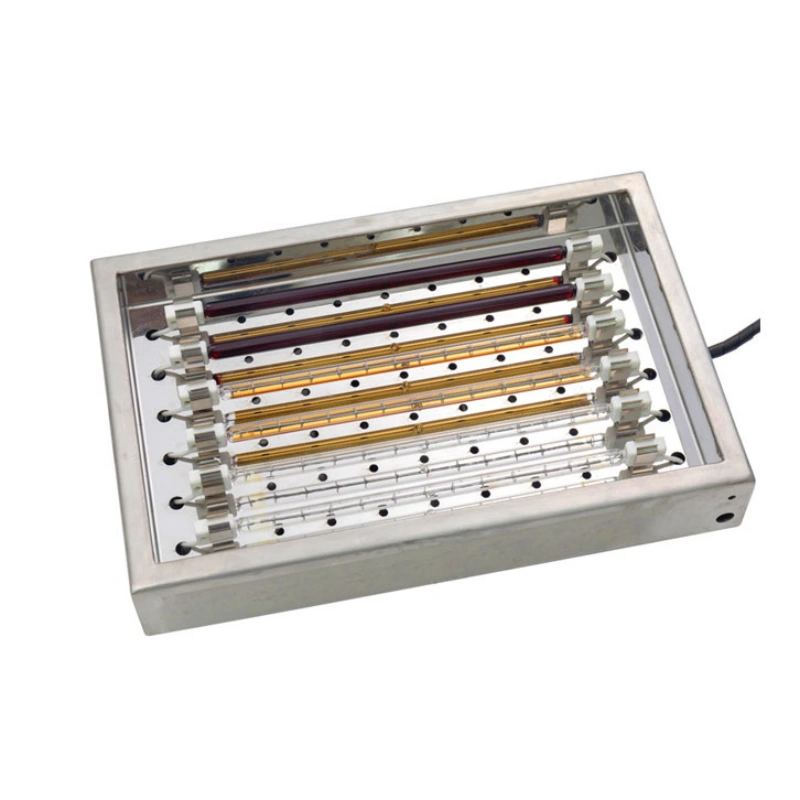
4. High-Efficiency Infrared Heating: Medium-wave / Short-wave / Fast Medium-wave / Carbon Fiber IR
Uniform drying from inside out, zero heat loss through air. Infrared waves penetrate directly into the workpiece interior and dry from core to surface with minimal heat waste. Energy conversion efficiency reaches up to 96%, achieving uniform heating, superior workpiece quality and low reject rate.
Infrared radiators emit distinct spectral radiation at different element temperatures, so matching the correct wavelength radiator to your material is critical for heating performance.
• Short-wave IR: Penetrates most solid materials for consistent bulk heating.
• Medium-wave IR: Mostly absorbed by material surfaces; plastics, glass and especially water readily absorb medium-wave radiation and convert it directly into thermal energy.
If a short-wave radiator’s element temperature drops sharply, it emits medium-wave spectrum yet with drastically reduced power output, making it uneconomical. Dedicated medium-wave radiators deliver 5x higher power output at identical operating temperatures and should be used for medium-wave process requirements.
Modern infrared heating technology transfers large quantities of energy in short cycles for targeted rapid heating, capable of treating large flat surfaces and complex 3D workpieces.