 Your Website Name

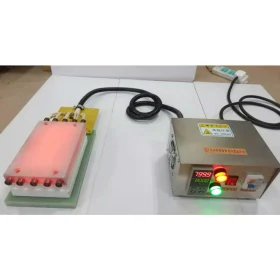
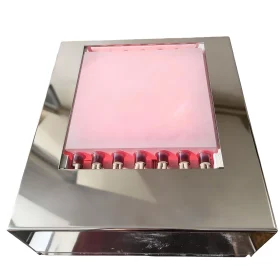

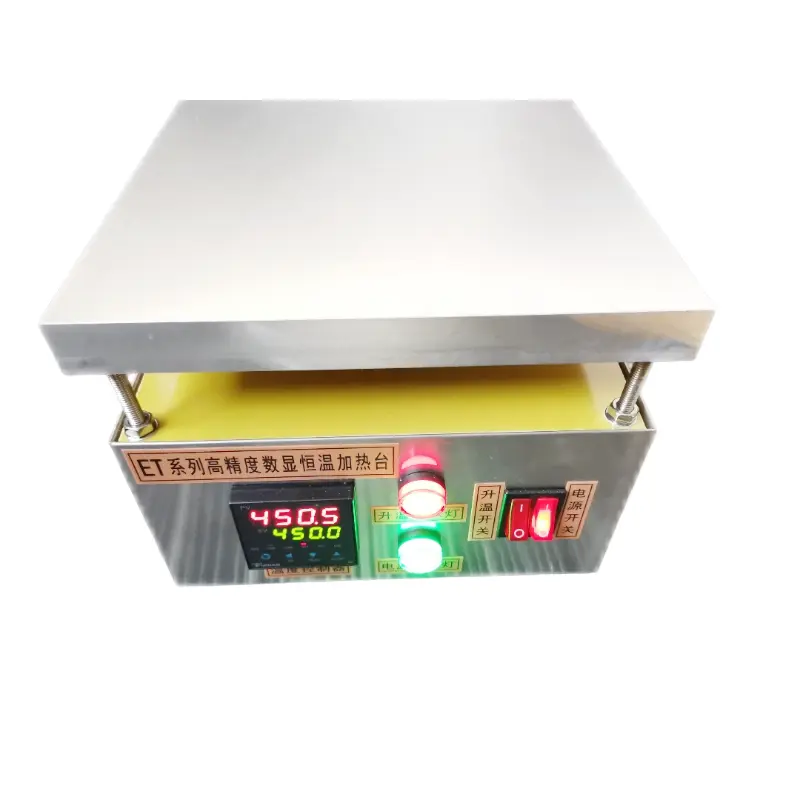
950℃ High Thermal Conductivity Non-Metallic Ceramic Heating Plate
1. Ceramic Heating Plate Material Physical Properties
- Bulk Density: 3.0~3.6 g/cm³
- Elastic Modulus: 300~350 GPa
- Specific Heat Capacity: 4.8~6.6 J/(g·℃)
- Thermal Conductivity: 120~180 W/(m·K)
- Compressive Strength: 100~200 MPa
- Volume Resistivity: 5 × 10⁻¹² Ω·cm
- Average Coefficient of Thermal Expansion: 4.0~4.6 × 10⁻⁶ /℃
- Hardness (HV): 600~700 HV
- Melting Temperature: 1750℃
- Max Permissible Operating Temperature: 1350℃
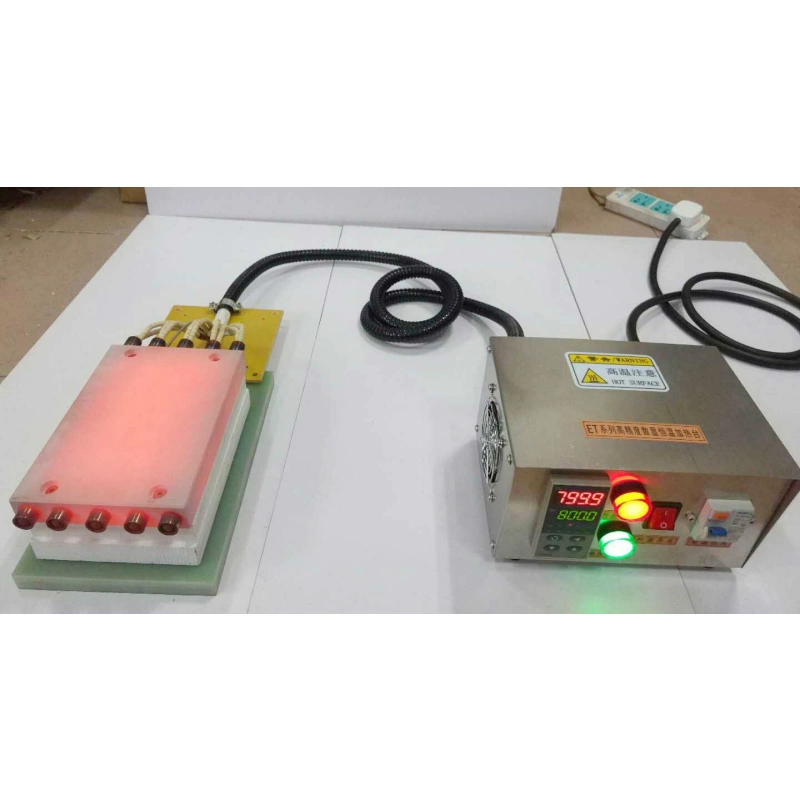
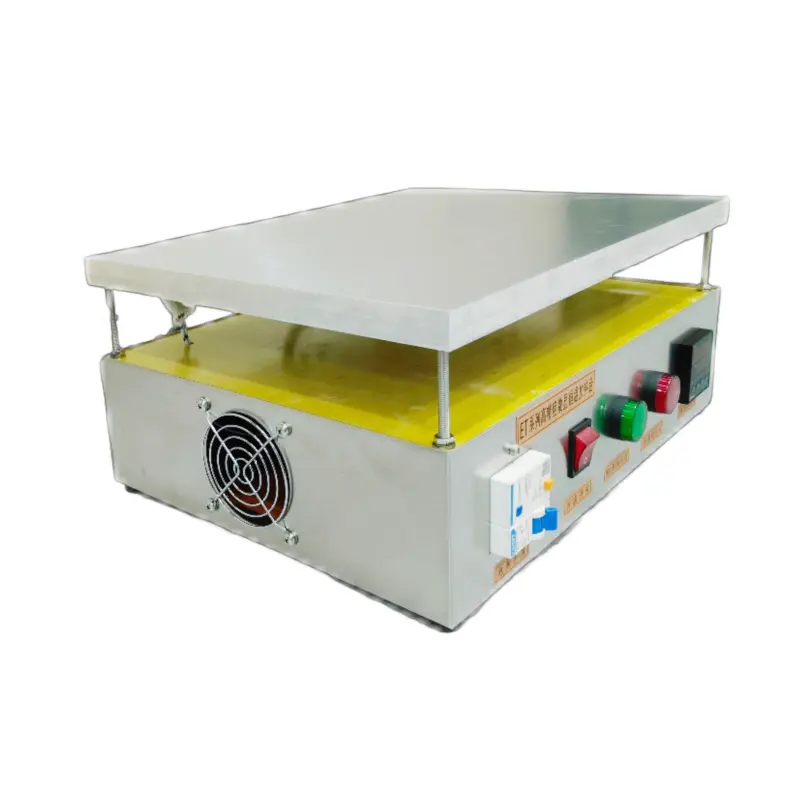
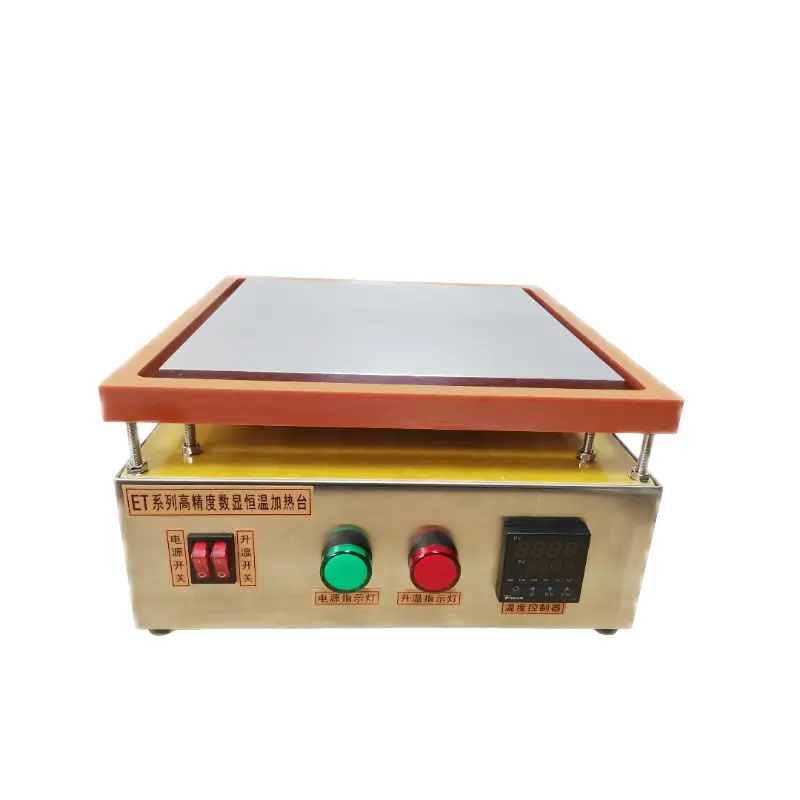
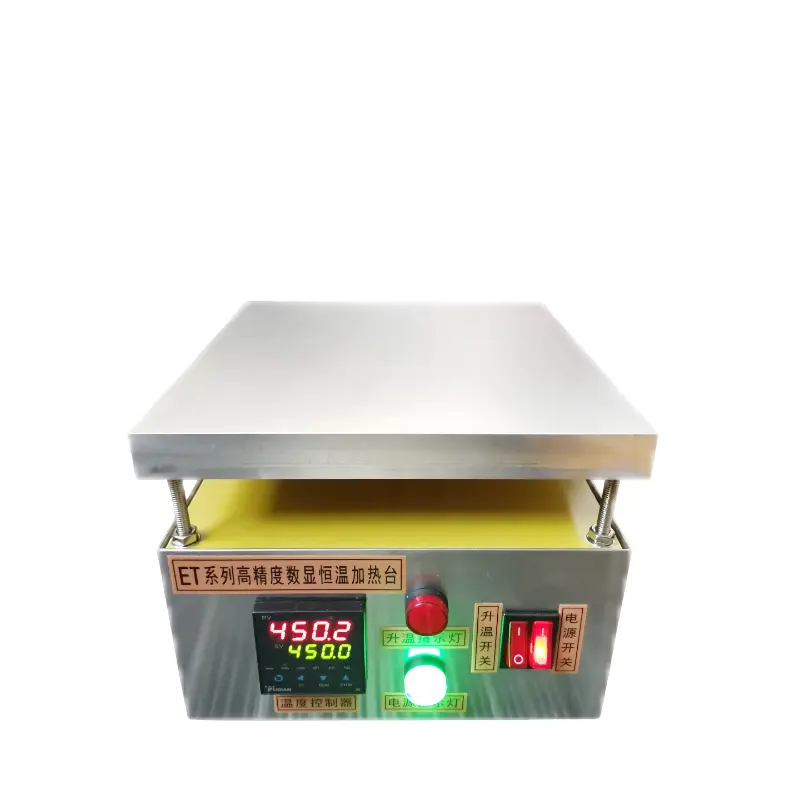
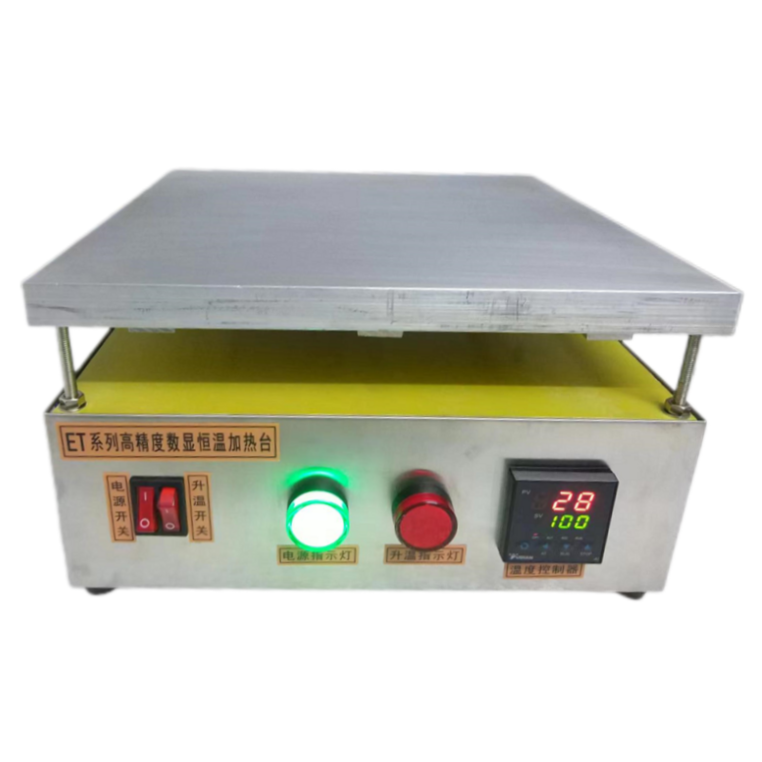
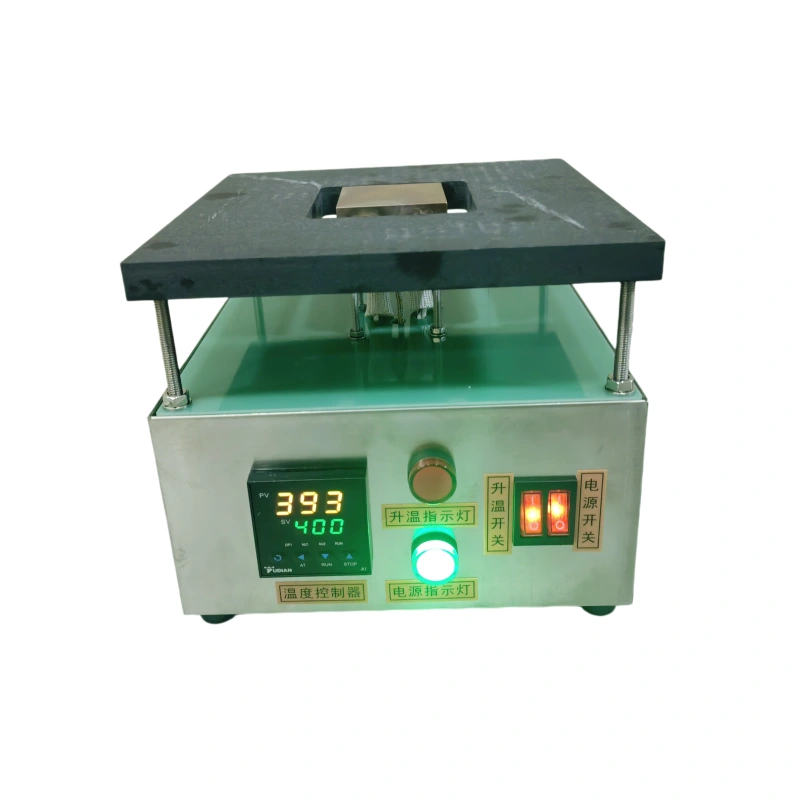
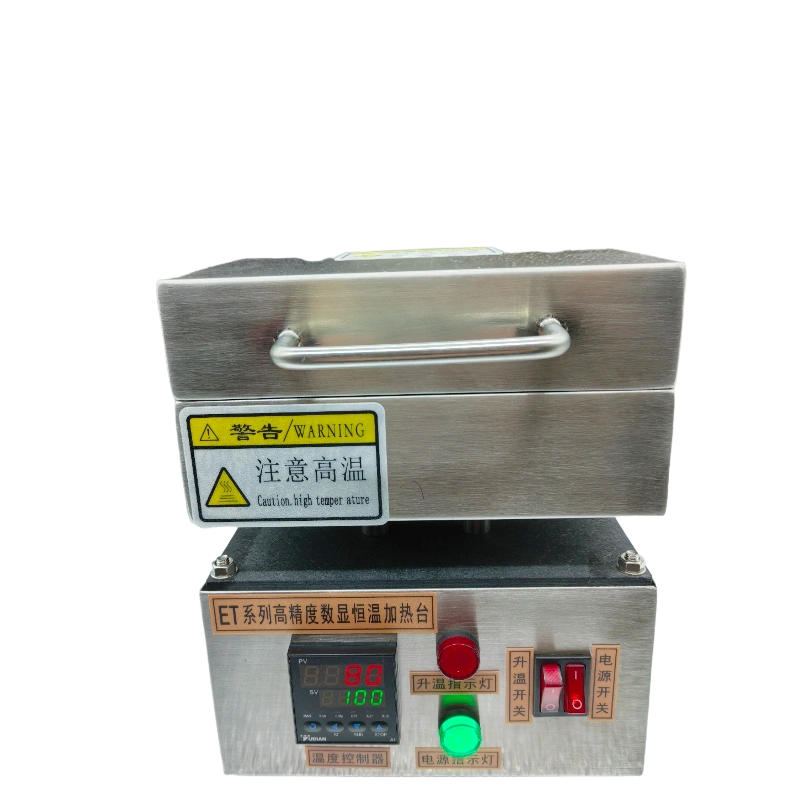
2. Split Digital Display Constant Temperature Heating Plate Specifications
- Heating Plate Dimension: 200×138×28 mm ±1
- Temperature Control Range: Ambient ~ 950℃
- Heating Unit Overall Size: 200×138×120 mm
- Control Cabinet Dimension: 227×160×130 mm
- Split Connection Cable Length: 1.5 m
- Input Power Supply: AC220V 50Hz
- Max Rated Power: 4000W
- Net Weight: 11 Kg
This high thermal conductivity non-metallic ceramic is a special high-heat-conduction ceramic material. It maintains outstanding thermal conductivity even at extreme temperatures up to 1350℃, with excellent high-temperature resistance. It can operate continuously at 1200℃ without oxidation, cracking or burst failure, making it widely adopted on glass hot bending machines.
3. Supplementary Material Performance Indexes
- Corrosion Resistance: Excellent
- Machinability: Poor / Low
- Water Resistance: Strictly prohibit any moisture contact during heating operation
- High-Temperature Burst Rate: 0.015%
- Anti-Oxidation Temperature: 1600℃
- Minimum Machinable Dimension Limit: 3.0 mm
4. Machining & Installation Notes
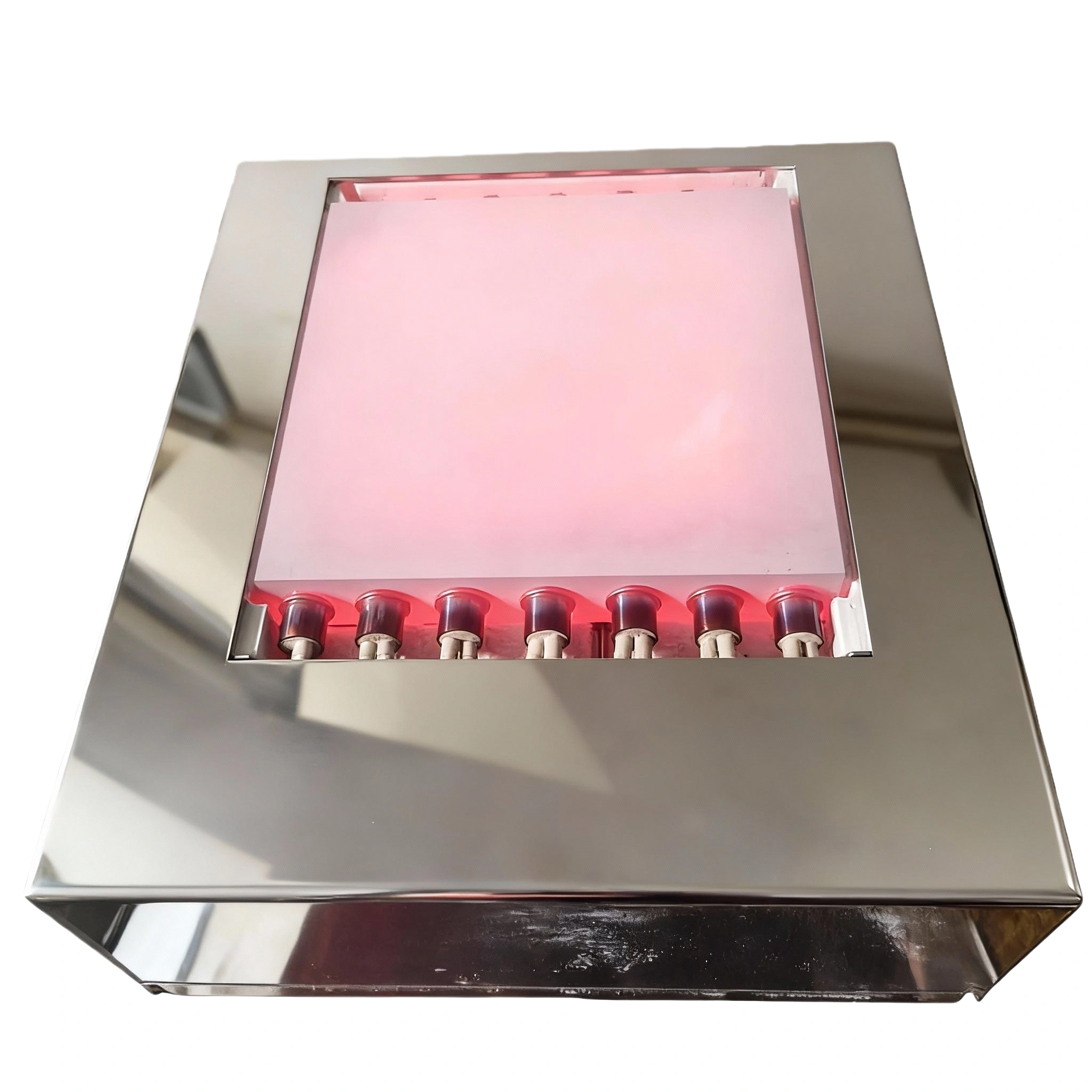
Ceramic has high hardness yet poor shock resistance and brittleness, prone to cracking during processing. Thermal expansion must be fully considered in design and machining.
For example, a Φ16.0 mm heating rod expands by approximately 0.272 mm (≈0.3 mm) at 1000℃.
When using SUS310S metal heating plates, a through-hole diameter of Φ16.1 mm is sufficient; however, for ceramic heating plates, the hole diameter must be enlarged to 16.3~16.4 mm, otherwise thermal expansion of the heating rod will cause cracking or breakage of the ceramic plate.