 Your Website Name

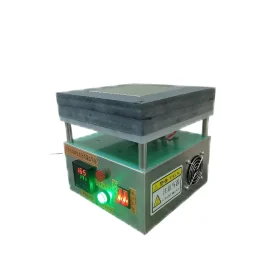
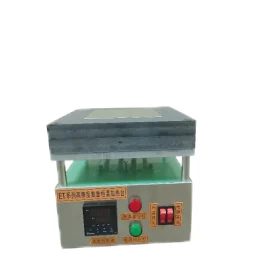
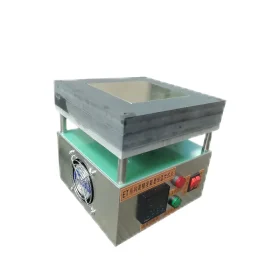
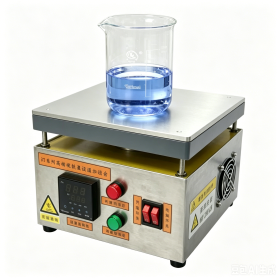
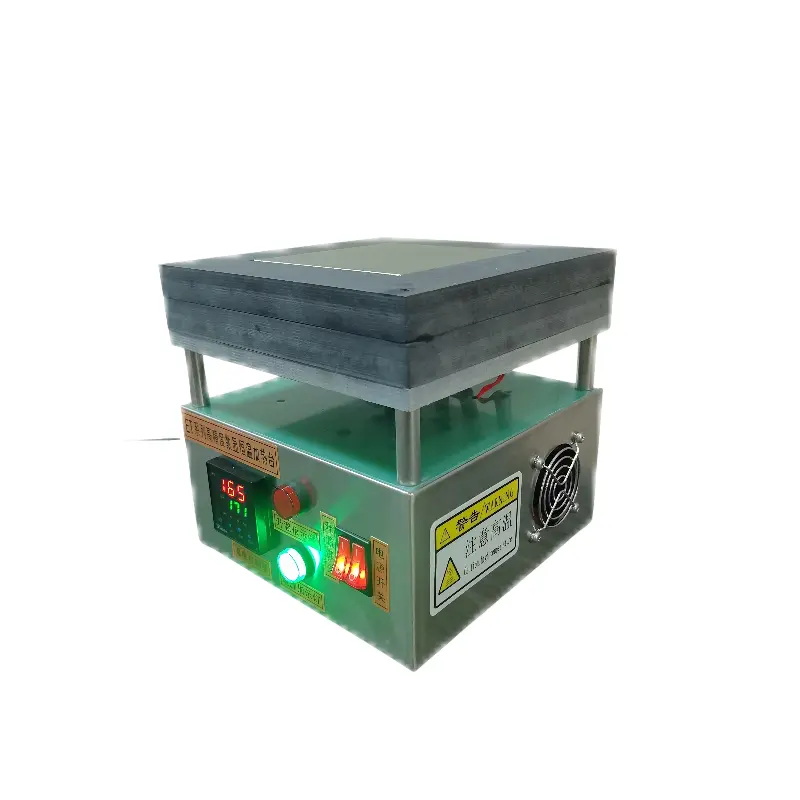
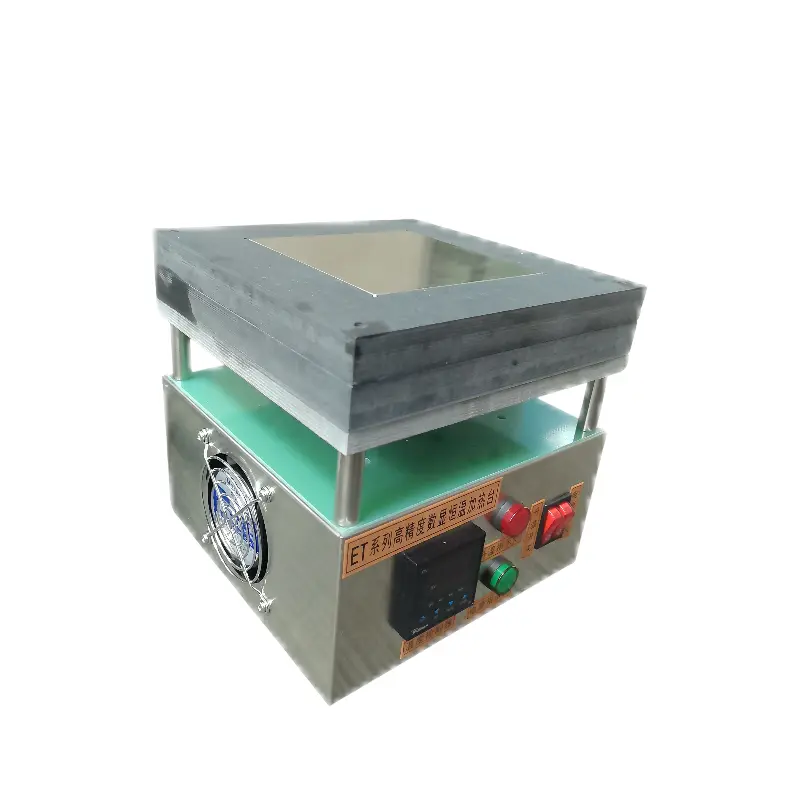
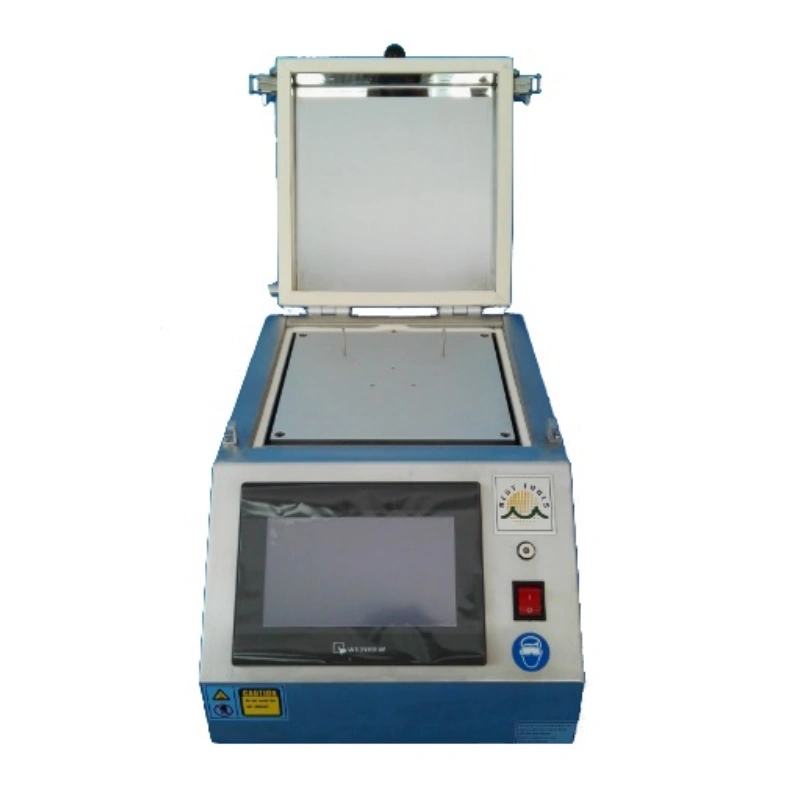
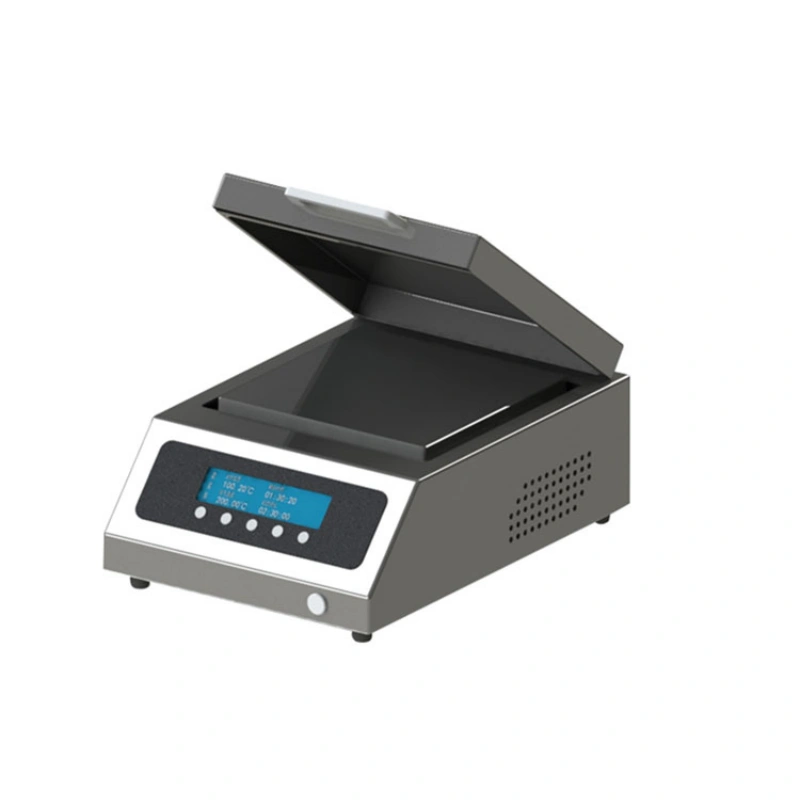
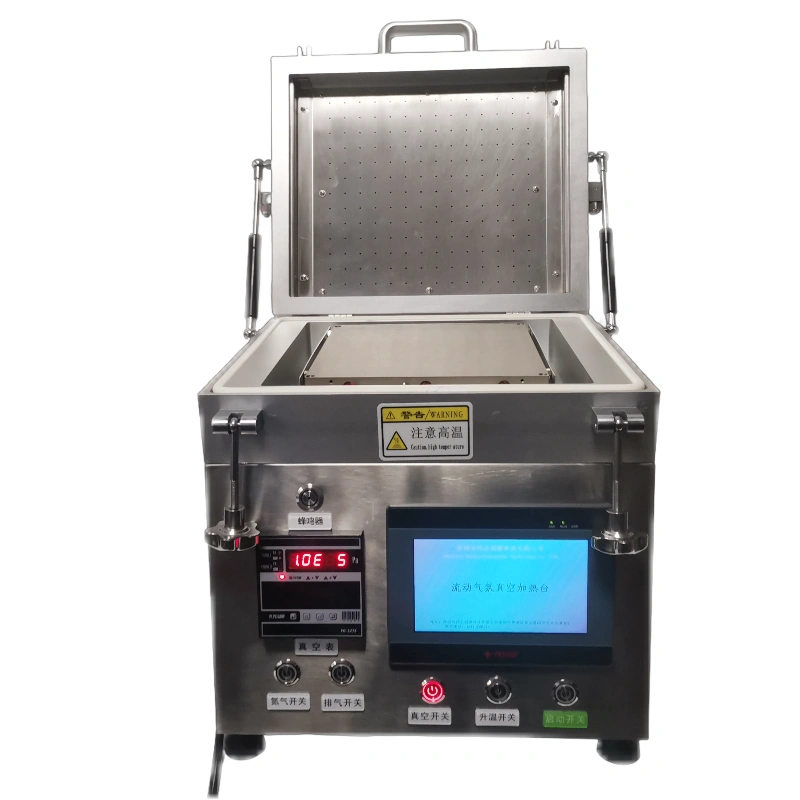
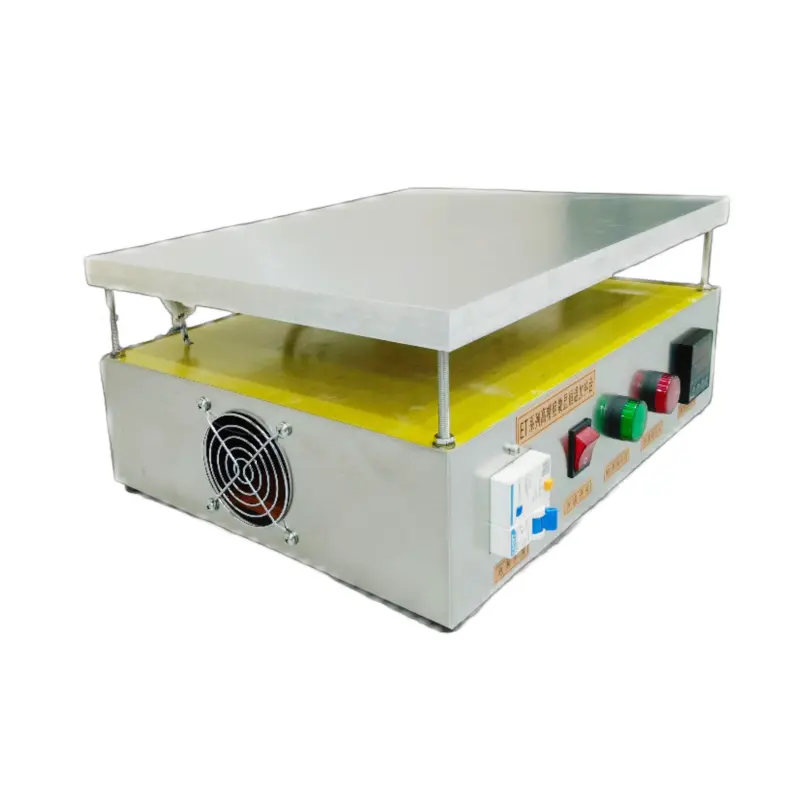
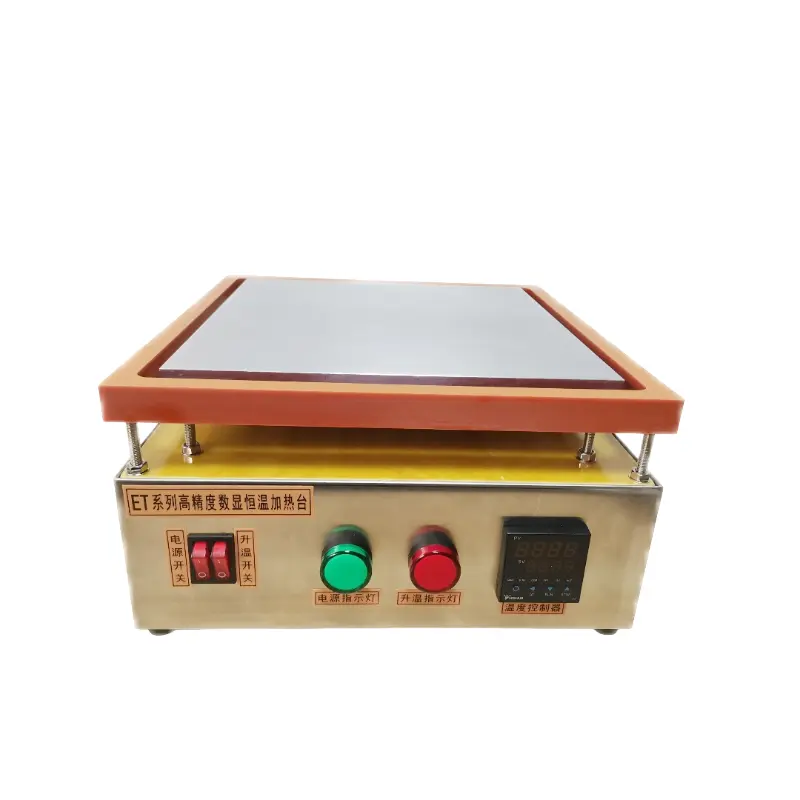
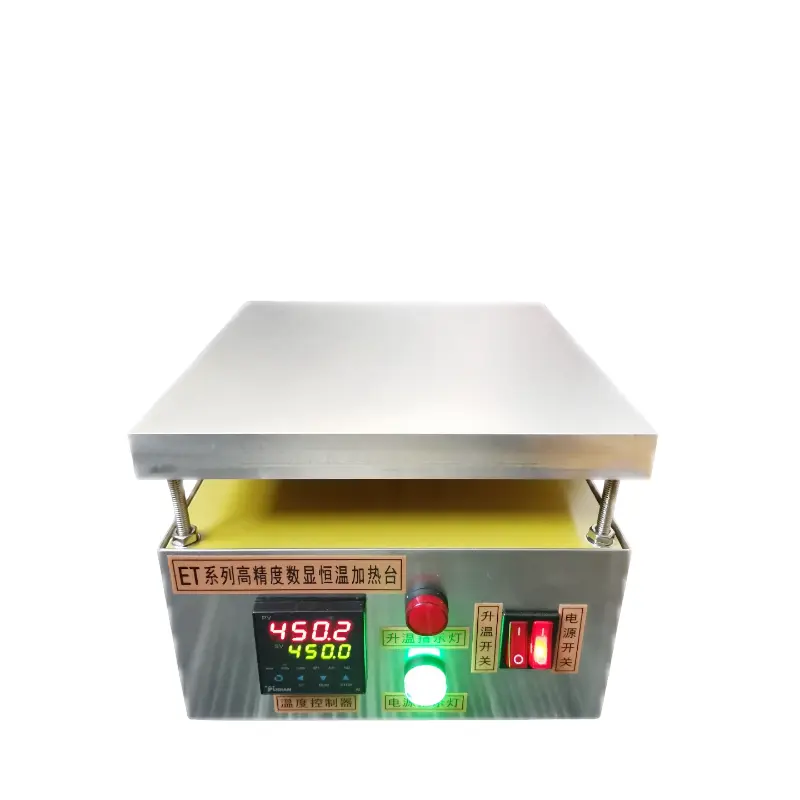
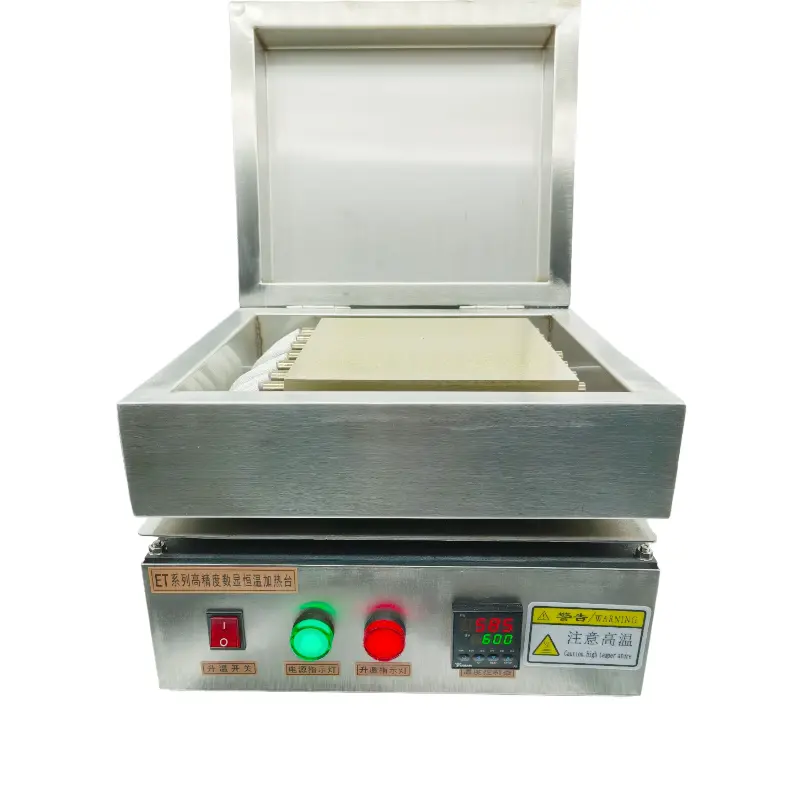
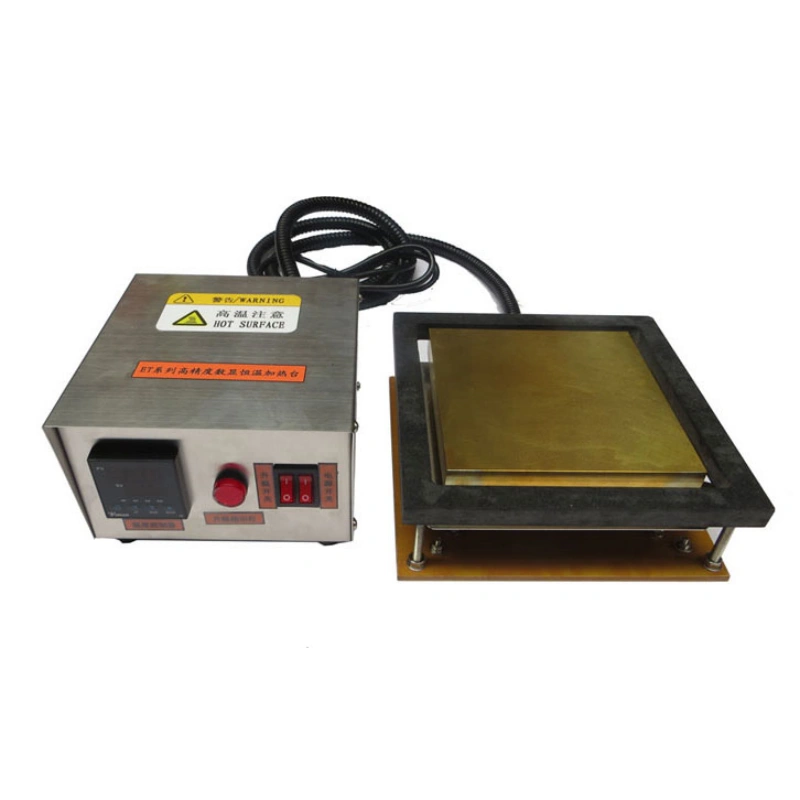
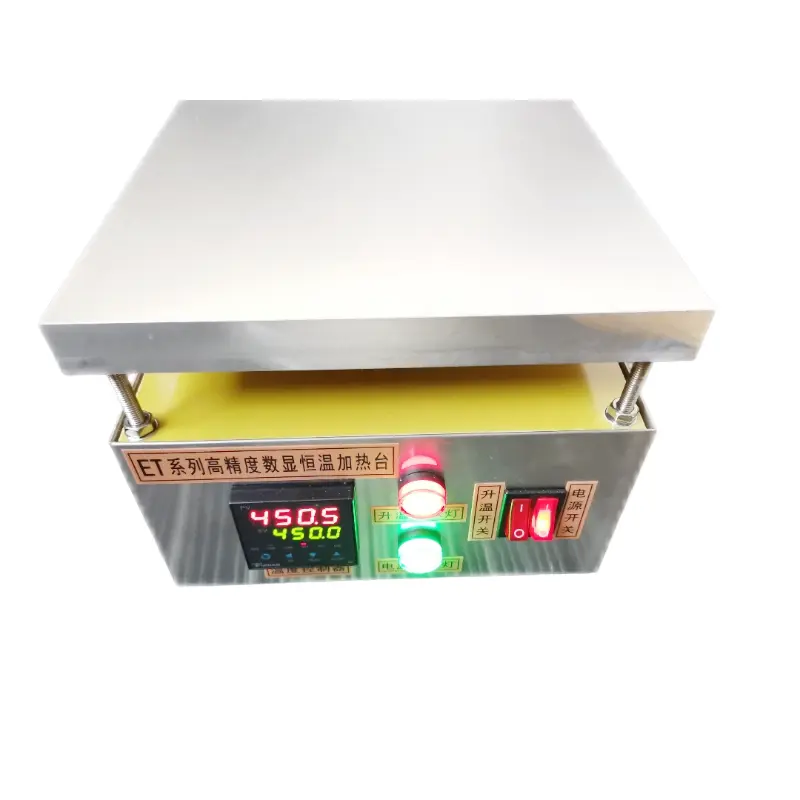
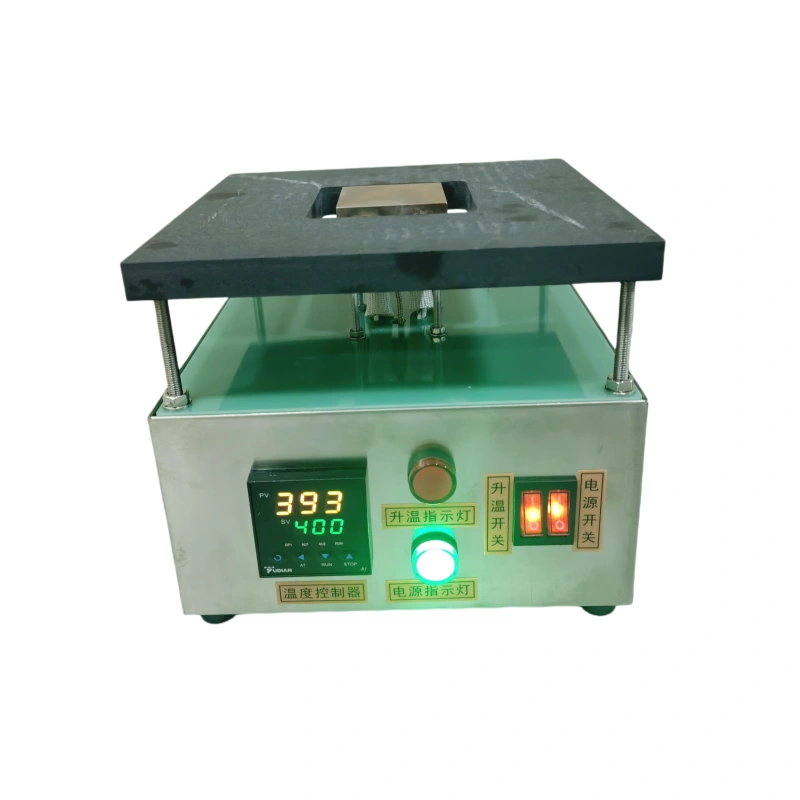
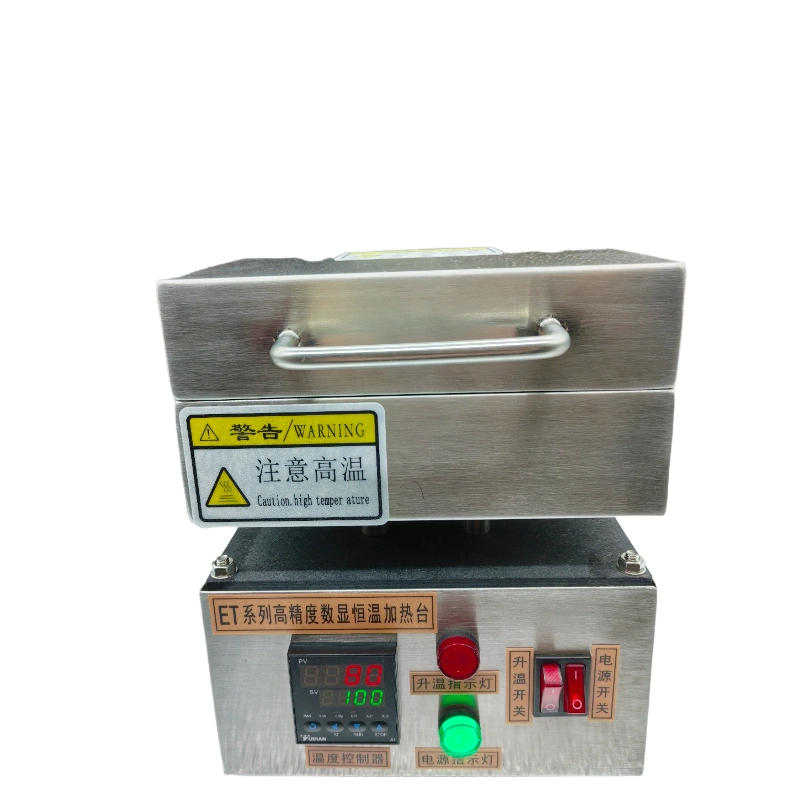
Stainless Steel Heating Plate
Model: Custom Sizes Available | ETOOL / QICEQUIP Brand
- High precision PID constant temperature control, low temperature fluctuation
- 304/316/310S stainless steel surface, corrosion resistant & easy cleaning
- Modular construction, convenient maintenance and replacement
- Custom dimension, voltage and power for laboratory & industrial heating
2. Specifications
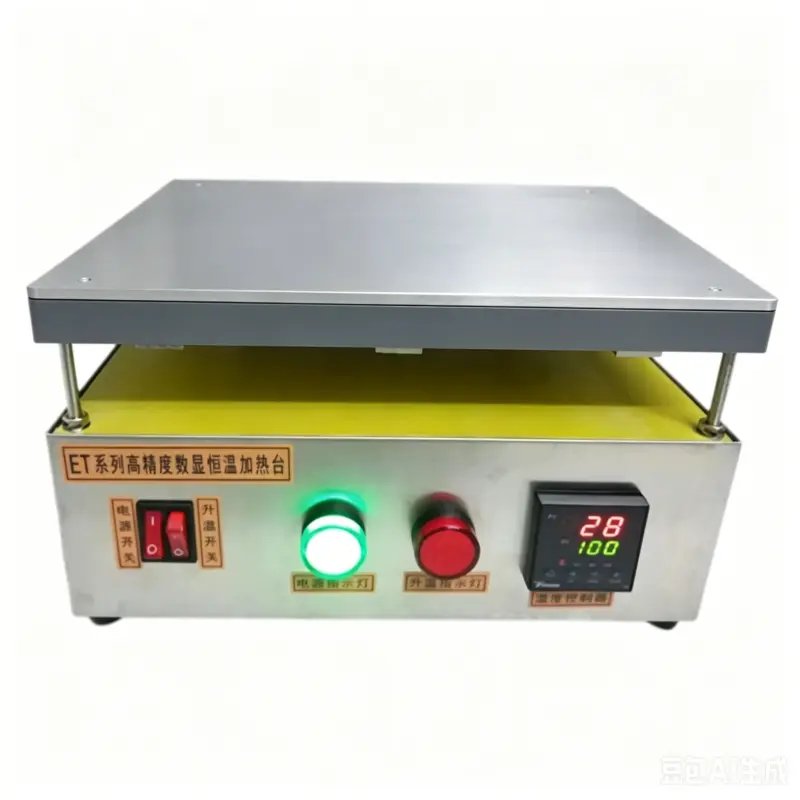
3. Operation Instructions & Steps
- Pre-operation Inspection: Check the heating plate surface for scratches, deformation or cracks. Confirm temperature controller display works normally. Wipe plate surface and remove dust and contaminants.
- Power Connection: Plug the power cord into properly grounded socket, ensure the connection is stable and firm.
- Set Target Temperature: Press setting button on PID controller, use up/down keys to set target temperature. Recommend starting from low temperature and gradually raise to target value.
- Heating & Constant Temperature: Switch on heating function. The PID controller automatically adjusts power to reach and maintain set temperature. Run PID auto-tuning on first use to optimize temperature stability.
- Shutdown Steps: Turn off heating function first. Wait until plate fully cools down to room temperature, then disconnect main power supply. Do not touch hot plate surface to prevent scald injury.
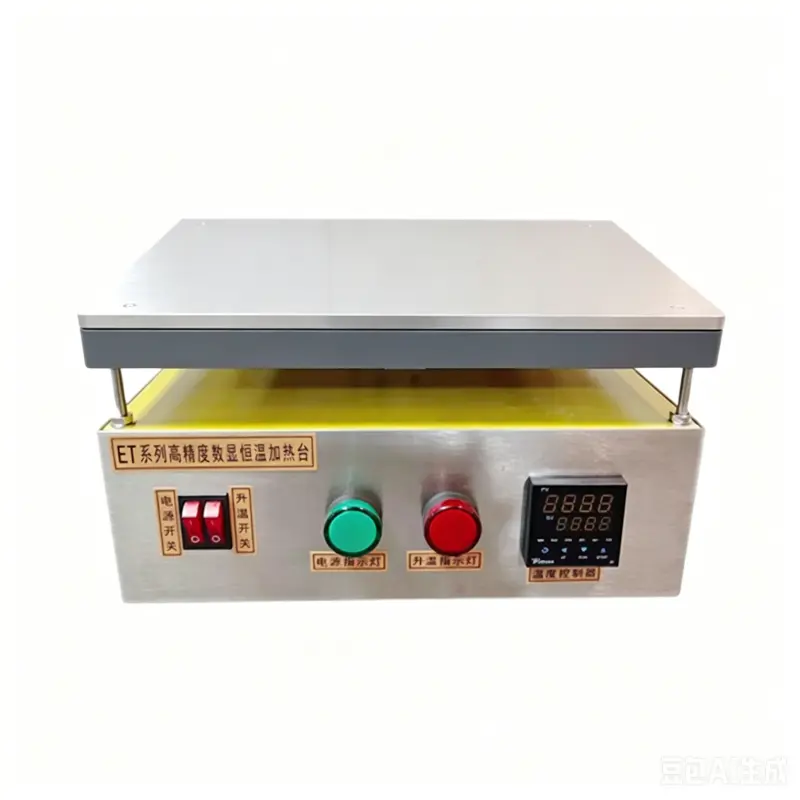
4. Material Comparison
4.1 Stainless Steel Grade Comparison
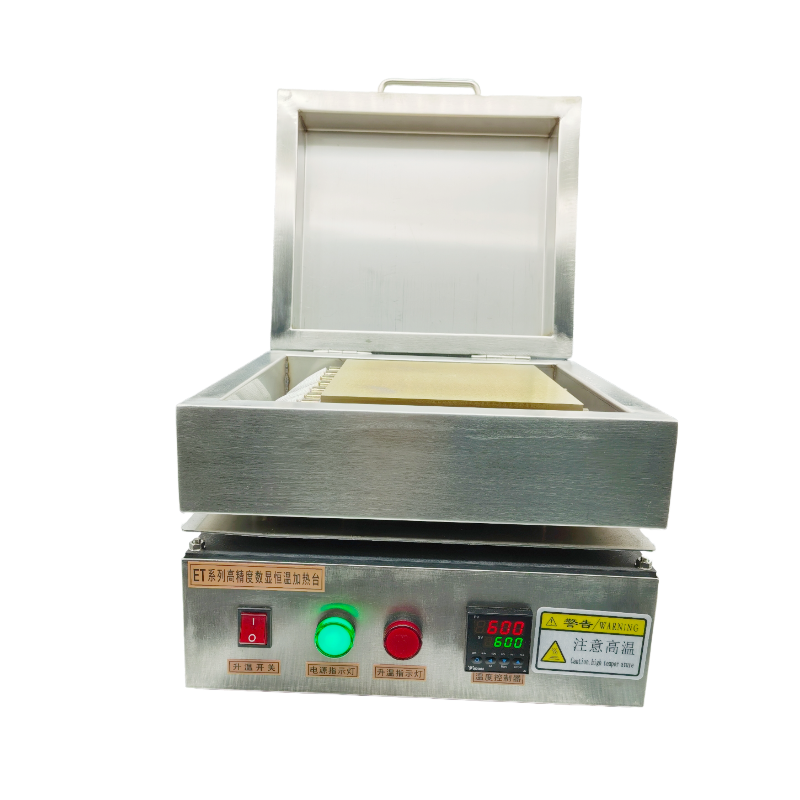
4.2 Heating Plate Material Comparison (Aluminum / Copper / Stainless Steel / Graphite / Ceramic)
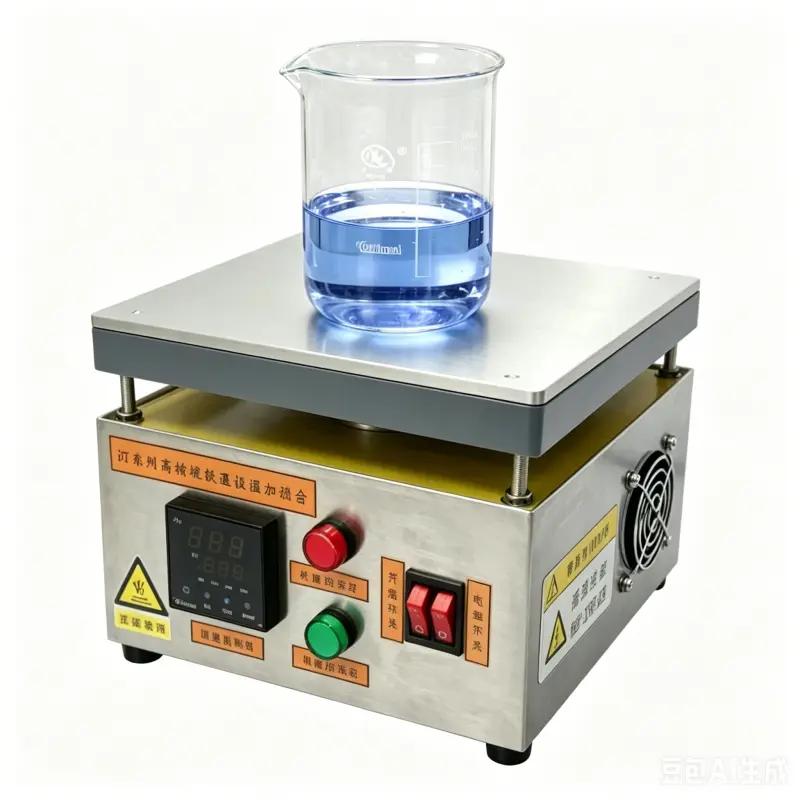
5. Product Introduction Video
Digital Display Constant Temperature Preheating Platform | Stainless Steel Electric Heating Plate Demonstration of Uniformity Test for Stainless Steel Heating Plate at 171 ℃
6. Application Case Study
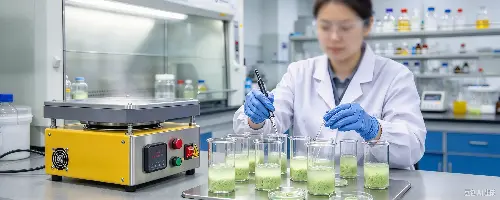 Case1: Pharmaceutical Laboratory Sample Digestion Industry: Pharmaceutical Testing |
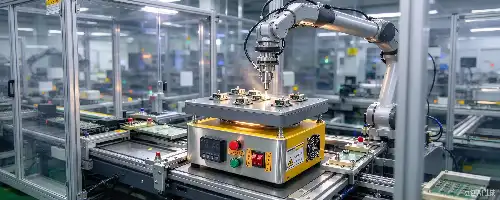 Case2: Electronics Factory Adhesive Curing & Preheating Industry: Consumer Electronics |
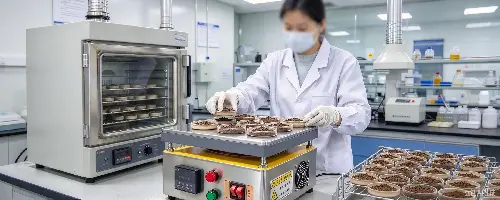 Case3: Environmental Lab Soil Sample Drying Industry: Environmental Monitoring |
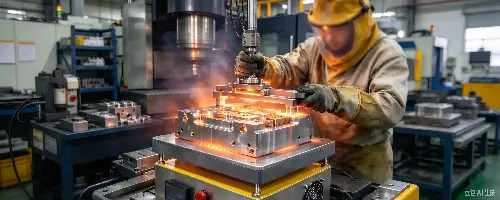 Case4: High-Temperature Mold Insert Preheating Industry: Precision Mold Manufacturing |
7. How to Select Stainless Steel Material
- 201 Stainless Steel: Suitable for dry indoor environment, working temperature ≤300℃, budget limited projects. Not recommended for humid or corrosive liquid contact.
- 304 Stainless Steel: General recommendation. Fit most laboratories, electronic preheating, low corrosion environment within 500℃. Best cost-performance ratio.
- 316 Stainless Steel: For weak acid, salt solution, biochemical solvent exposure. Suitable for chemical analysis, medical and salt fog working environment.
- 310S Stainless Steel: For working temperature over 500℃, excellent high-temperature oxidation resistance. Applied for industrial ultra-high temperature preheating.
8. FAQ
Q: How to self-check whether stainless steel heating plate is damaged?
A: Self-check procedures:
1. Visual inspection: Check plate surface for cracks, deformation, burnt discoloration or peeling.
2. Power test: Power on and set target temperature, check PV reading and temperature rising stability.
3. Temperature uniformity test: Place thermal test paper on plate surface, heat to target temperature, check hot spot / cold zone.
4. Resistance measurement: Disconnect power and fully cool the unit. Measure heating tube resistance by multimeter. Open circuit means heating element burned out.
⚠️Warning: Must cut off power before opening casing or measuring resistance.

9. Certification & Quality Evidence
- ✅ EU CE Certification (Electrical Safety & EMC Compliance)
- ✅ Independent factory quality inspection report for every finished unit
- ✅ All finished products pass aging test before shipment
- ✅ Stainless steel material test certificate available upon request
WeChat
Scan the QR Code with WeChat