 Your Website Name

How to Select a Laboratory Hot Plate? Focus on These 3 Core Parameters
Laboratory constant temperature hot plates are widely applied in laboratories and chemical production for heating, digestion, boiling, baking, drying and other thermal experiments. Faced with numerous brands, various heating surface materials and complicated specifications, how to pick the right laboratory hot plate for your application? The key selection points are sorted out as follows: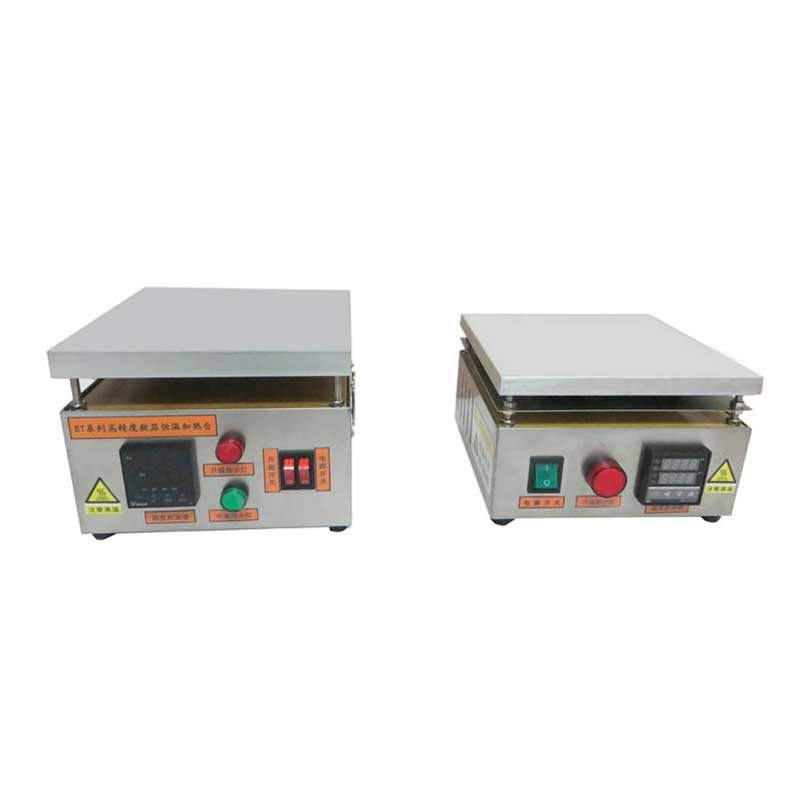
1. Material of Heating Surface
Common heating panel materials include aluminum alloy, stainless steel, graphite and microcrystalline glass.
The panel material directly determines temperature uniformity and heating speed. Most internal heating elements are arranged in a spiral pattern. As temperature rises, the center temperature tends to be higher than the edge, creating temperature deviation. Materials with superior thermal conductivity deliver better temperature uniformity, which is a vital performance indicator for hot plates.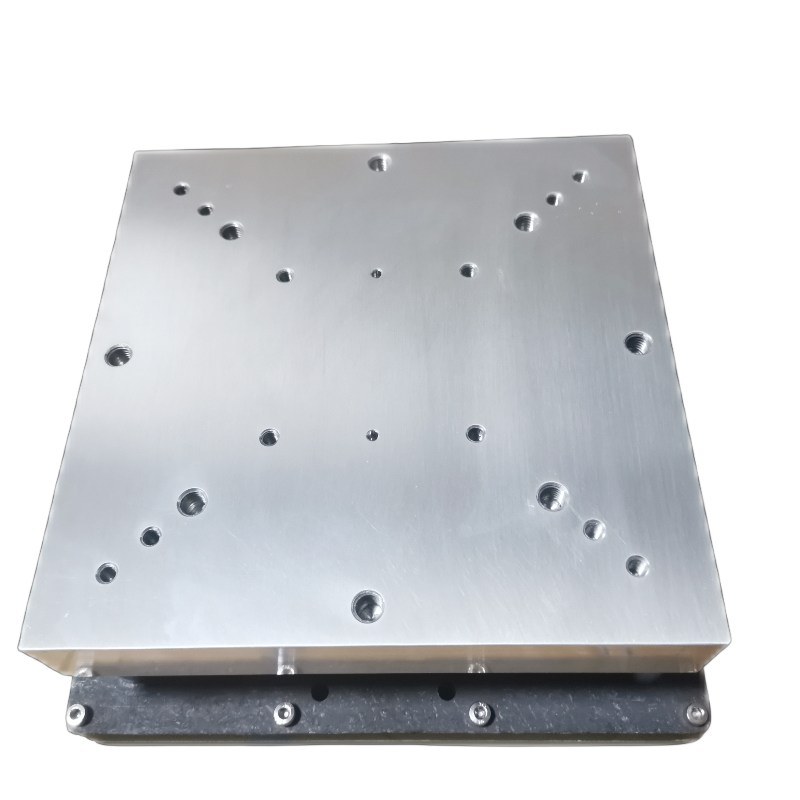
2. Temperature Range
The achievable temperature range depends on panel material and rated power. Select the hot plate according to the maximum temperature required by your experiments, even if the experiment is only operated occasionally.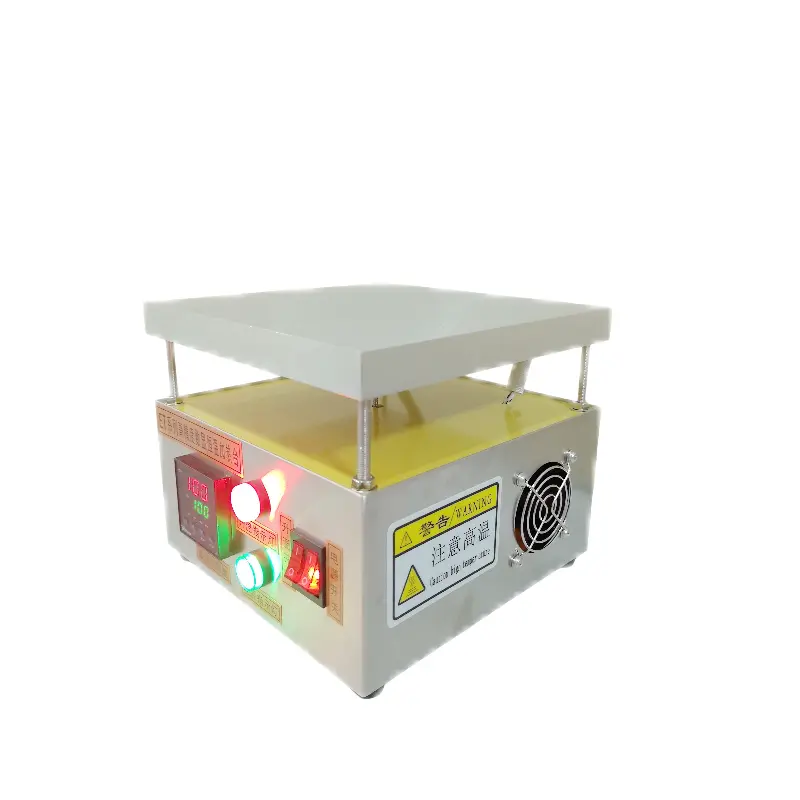
3. Temperature Control Accuracy
Temperature accuracy is another critical specification. Some experiments are extremely sensitive to temperature fluctuation; tiny deviations may lead to invalid test results. For such scenarios, choose a hot plate with tighter temperature tolerance. Generally speaking, the higher the control precision, the better.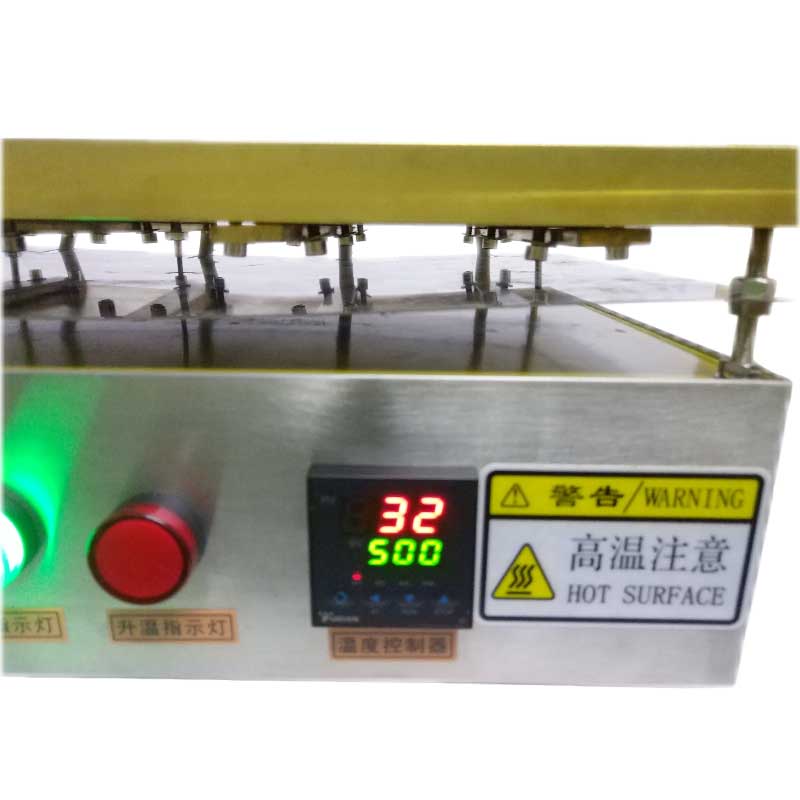
Other Reference Parameters
- Power: Hot plates usually consume high power. Confirm the laboratory circuit load capacity before purchase.
- Size Specification: Select platform dimension based on your samples. For the same model, larger heating surfaces are equipped with higher power.
- Structure Type: Integrated type and split type. Split design separates the heating platform from the controller. Failed components can be replaced individually. Meanwhile, the controller stays away from heat source, lowering failure risk, extending service life and improving operation safety.
Frequently Asked Questions
Q1: What experimental scenarios suit different heating panel materials?
Aluminum alloy panels feature fast heat conduction and cost efficiency for routine heating & baking. Stainless steel offers moderate corrosion resistance for weak acid & base environments. Graphite provides outstanding temperature uniformity and high maximum temperature, ideal for digestion and high-temperature treatment. Microcrystalline glass is corrosion-resistant, smooth and easy to clean, suitable for visual observation and mildly corrosive experiments.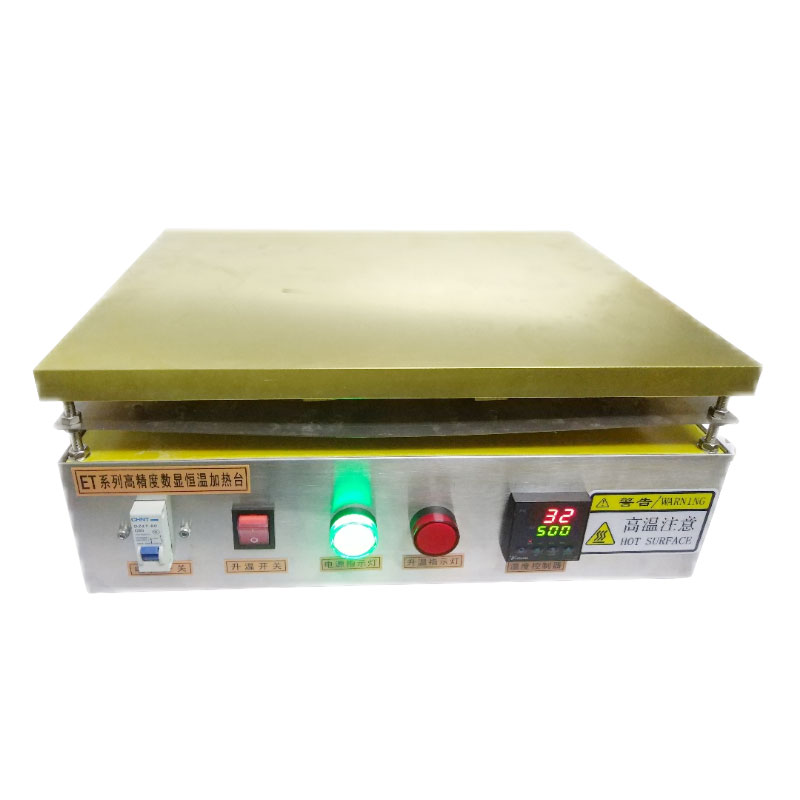
Q2: What are the specific advantages of split hot plate compared with integrated type?
For split hot plates, the controller is separated from the heating platform and protected from continuous high temperature, reducing failure probability. If either part breaks down, you only need to replace the faulty component instead of the whole unit. Operators adjust parameters far from the hot surface to avoid scalding. Integrated models are compact and space-saving for laboratories with limited bench space.
Q3: How much temperature margin should be reserved when selecting temperature range?
It is recommended to reserve a temperature margin of 20~40℃. If your maximum working temperature is 180℃, select a model capable of reaching at least 220℃. Continuous operation at the upper limit accelerates aging. Proper temperature margin ensures stable control and longer service life.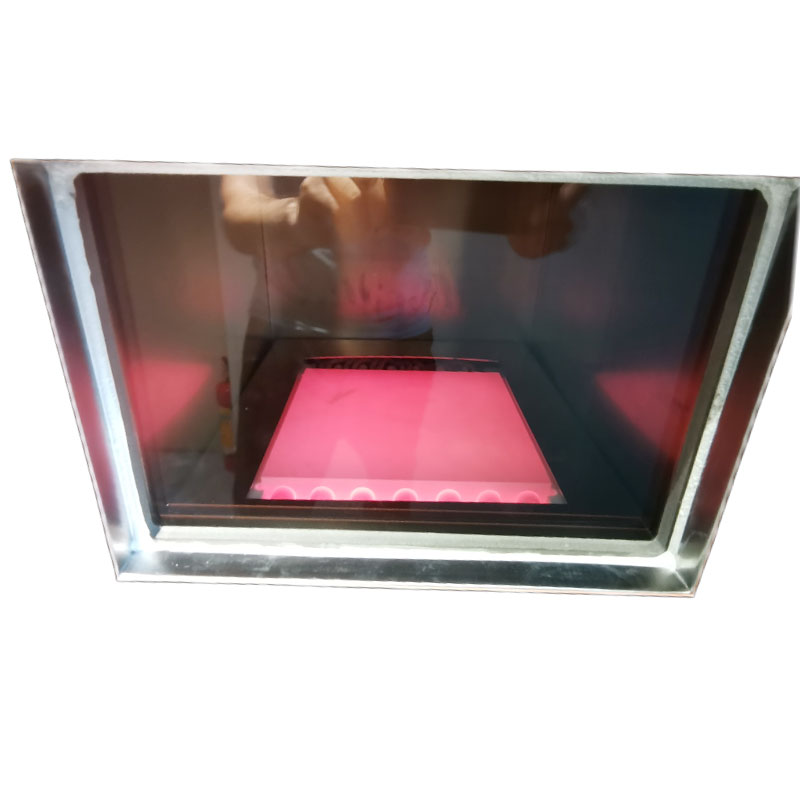
Q4: Are temperature uniformity and temperature control accuracy the same parameter?
They are different specifications. Temperature control accuracy means the deviation between set temperature and sensor reading. Temperature uniformity refers to the temperature difference between the center and edges across the heating surface. Both indicators should be checked for digestion tests and parallel sample comparison experiments.
Q5: What circuit conditions are required for using high-power laboratory hot plates?
Make sure the socket circuit supports the rated current of the hot plate. High-power units require an independent power loop. Do not share power sockets with stirrers, ovens or other high-power instruments. Grounded power outlets are strongly recommended for electric leakage protection.
WeChat
Scan the QR Code with WeChat