 Your Website Name

Corrosion Resistant Hot Plate
Heating Methods & Advantages | Manufacturer Analysis
Product Overview
The acid and alkali corrosion resistant hot plate heats the object surface by high-speed moving electrons under the action of an electric field. Dielectric heating can be used industrially for heating hydrogels, drying grains, paper, wood and other fibrous materials. It can also preheat plastics before molding, vulcanize rubber, and bond wood and plastics. By selecting the proper electric field frequency and device, only the adhesive layer can be heated during plywood bonding without affecting the plywood substrate. Uniform bulk heating is achievable for homogeneous materials.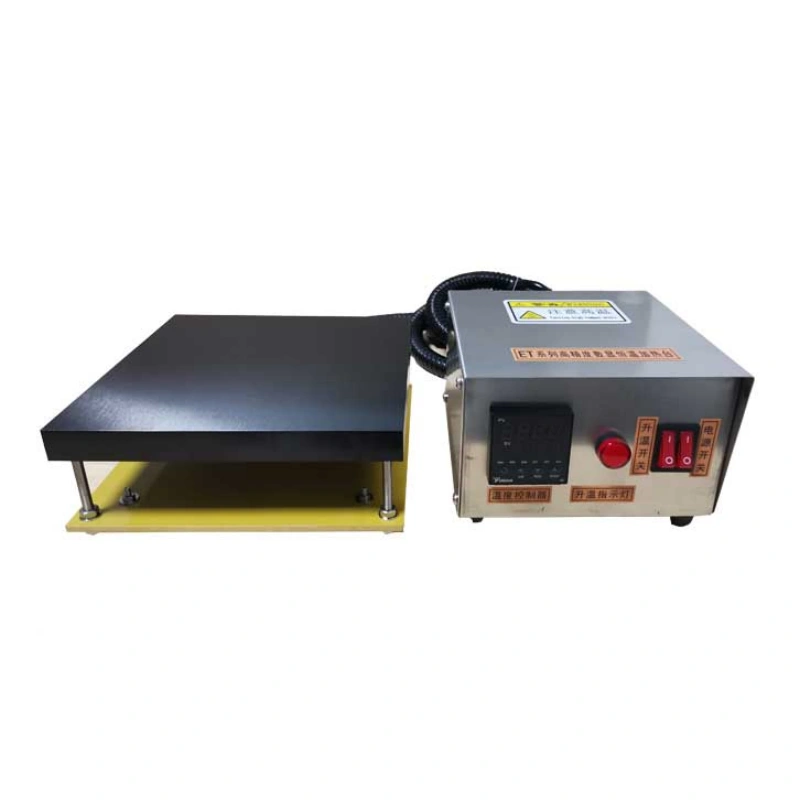
Heating Methods of Corrosion Resistant Hot Plate
According to different electric energy conversion modes, electric heating is generally divided into resistance heating, induction heating, arc heating, electron beam heating, infrared heating and dielectric heating.
Resistance heating converts electric energy into thermal energy via Joule effect of current. It is divided into direct resistance heating and indirect resistance heating.
- Direct Resistance Heating: Power voltage is applied directly to the workpiece. Heat is generated inside the workpiece itself, delivering high thermal efficiency. The workpiece must be conductive with high resistivity.
- Indirect Resistance Heating: Heating elements made of alloy or non-metallic materials generate heat, transferring heat to the target object through radiation, convection and conduction. Workpiece selection is flexible and operation is simple.
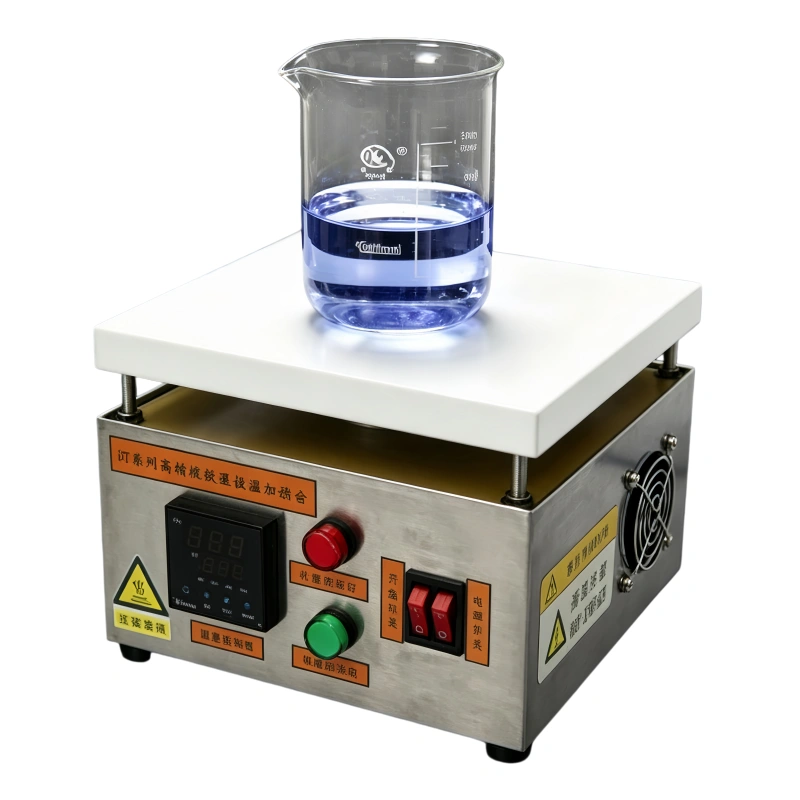
7 Core Advantages
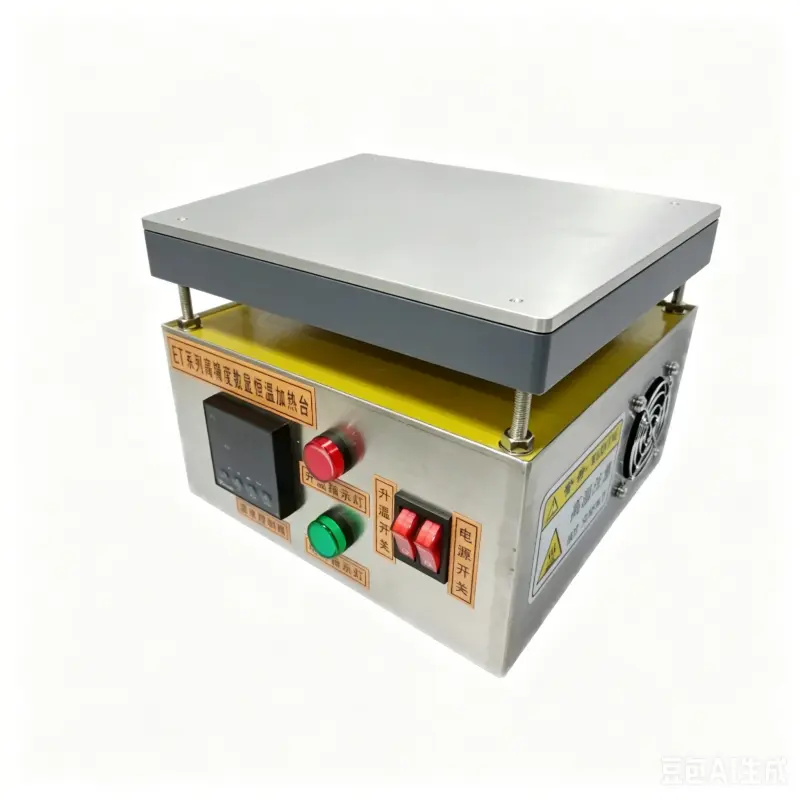
Technical Specifications
| Panel Material | Anti-corrosion coating, acid & alkali resistant |
| Heating Type | Resistance heating (direct / indirect) |
| Working Medium | Corrosive reagents, acid & alkali solutions |
| Heat Structure | Integrated seamless pipeline design |
| Safety Feature | Water & electricity isolation, anti-leakage protection |
| Customization | Custom size & heating area available |
WeChat
Scan the QR Code with WeChat