 Your Website Name

Silicone Rubber Heating Pad: Structure, Performance & Application Range
Product Overview
Silicone rubber heating pads feature excellent waterproof performance. They can be used for heating, heat tracing and thermal insulation of pipes, tanks and troughs on industrial equipment or in laboratories in humid locations without explosive gas. The pad can be directly wrapped onto the surface of heated components, featuring simple installation, safety and reliability.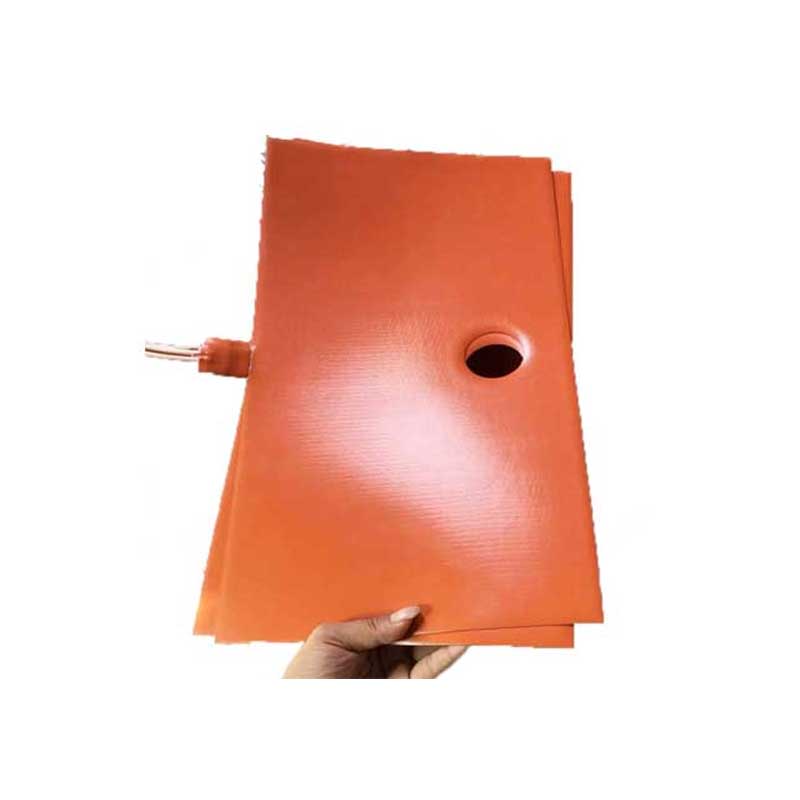
Structure & Performance
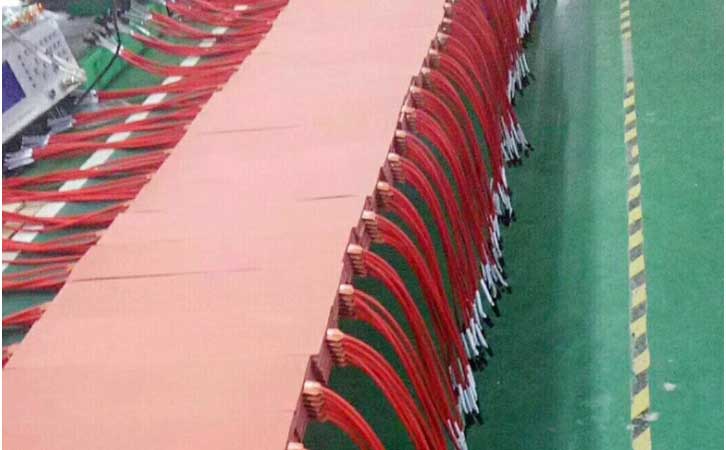
- 1. Composed mainly of nickel-chromium alloy wire and insulating materials. Fast heat-up, high thermal efficiency and long service life.
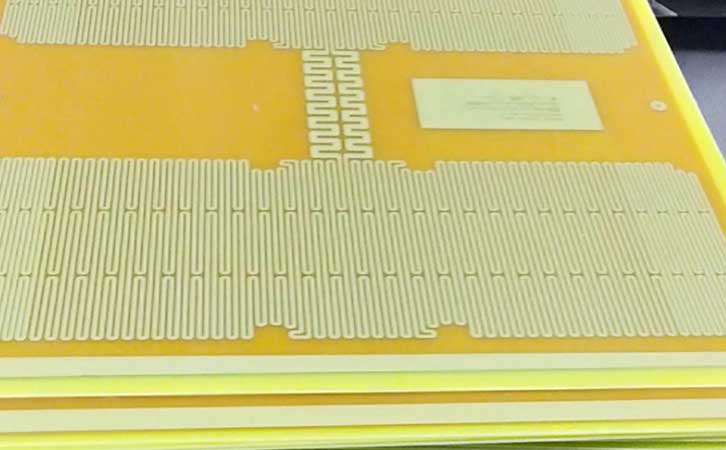
- 2. Heating wire wound on an alkali-free fiberglass core frame. Silicone rubber acts as main insulation layer with reliable heat resistance and stable insulation performance.
- 3. Excellent flexibility. It can be wrapped directly around heated devices for tight contact and uniform heat distribution.
Key Product Specifications
- Max heat resistance of insulation: 250℃
- Recommended operating temperature: <200℃
- Insulation resistance: >50MΩ
- Dielectric strength: ~1500V for 1 min
- Power tolerance: ±10%
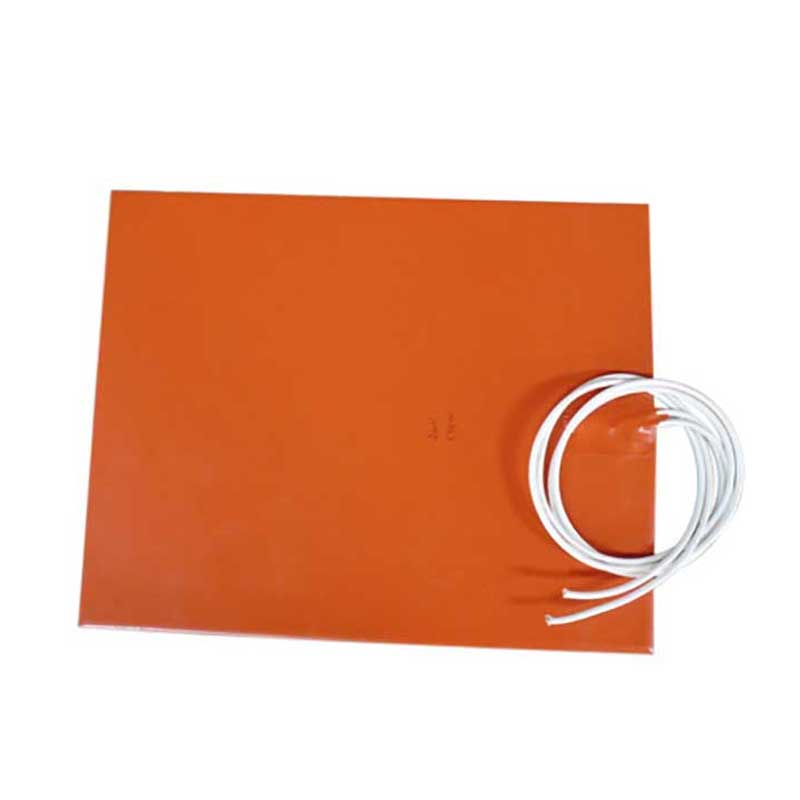
Standard Model List
| Model | Voltage(V) | Power(W) | Length(m) | Width(mm) | Lead Type |
|---|---|---|---|---|---|
| ET-220/75 | 220 | 75 | 1 | 26 | Single-end |
| ET-220/200 | 220 | 200 | 2.5 | 26 | Single-end |
| ET-220/300 | 220 | 300 | 4 | 26 | Single-end |
| ET-220/750 | 220 | 750 | 10 | 26 | Single-end |
| ET-220/30 | 220 | 30 | 1 | 10 | Single-end |
Application Scope
Silicone rubber heating pad is a highly flexible fixed-length heating element with high designed power density. Besides standard heat tracing & thermal preservation for constant-power heating belts, it can also be applied in many other heating scenarios.
Installation & Safety Notes
- 1. During installation, the flat silicone side of the heating pad must closely attach to the surface of pipes or tanks and fixed with aluminum tape.
- 2. Add extra thermal insulation layer outside the heater to reduce heat loss.
- 3. Do NOT overlap during wrapping installation to avoid overheating and burnout. Custom sizes available upon request.
WeChat
Scan the QR Code with WeChat