 Your Website Name

Comparative Analysis of Temperature Control Schemes for Electric Heating Stages
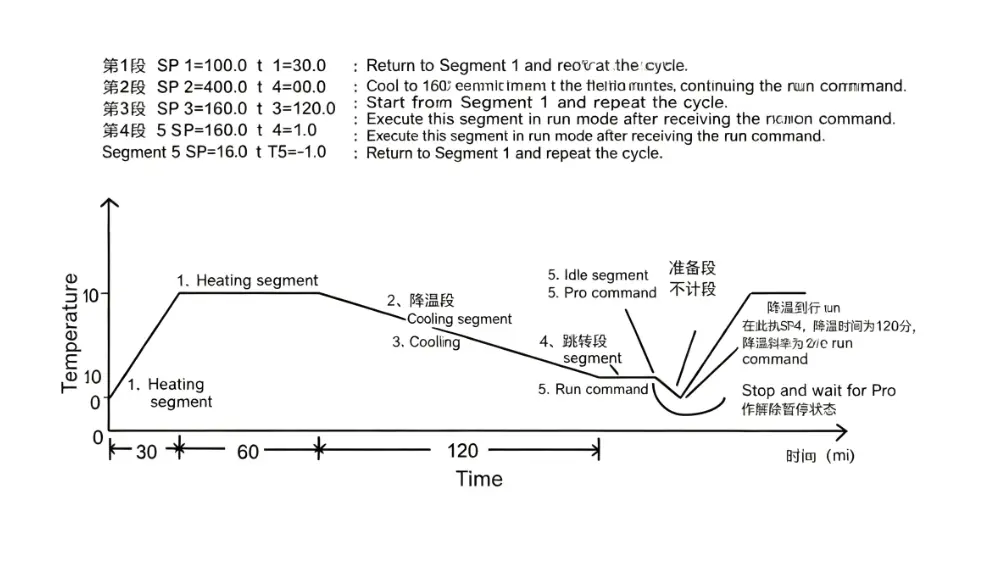
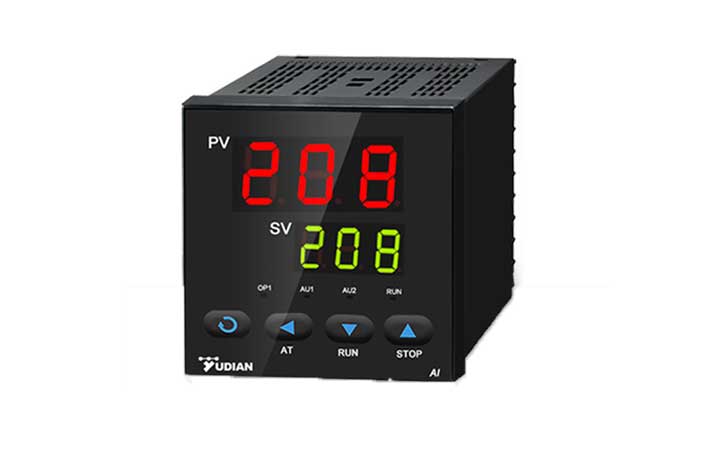
The intelligent constant-temperature heating stage adopts 6061 aluminum alloy for the heating plate and PID temperature control. It maintains excellent temperature uniformity even during long-duration heating, including at edges and corners. Its temperature control range is from ambient temperature to 400℃, featuring stable temperature and high uniformity. Equipped with a high-performance temperature controller with high precision and stable temperature regulation, it can be upgraded with segment programming and communication functions. The product is widely used in various industries requiring constant temperature heating. Below, ETOOL manufacturer compares and analyzes 4 common temperature control schemes for constant temperature heating stages.
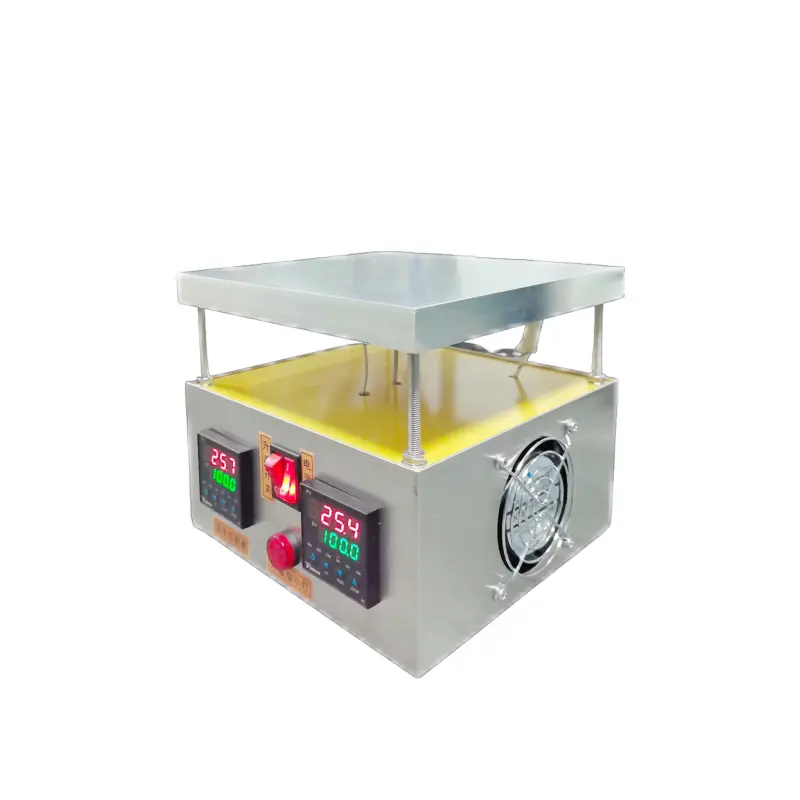
Comparative Analysis of Temperature Control Schemes
1. PLC-based Constant Temperature Control
PLC stands for Programmable Logic Controller. It is a new-generation industrial controller developed by integrating computer technology, automation technology and relay logic control concepts, specially designed for industrial environments. It can replace traditional relays to realize on-off control.
For example, travel switches, pushbuttons, non-contact switches or sensitive components can be used as input signals; output signals can actuate electric valves, switches, solenoid valves, stepper motors and other actuators.
It uses programmable memory to store instructions for logic operation, sequence control, timing, counting and arithmetic operations. Through digital and analog input & output, it controls various machinery to realize automation of production processes.
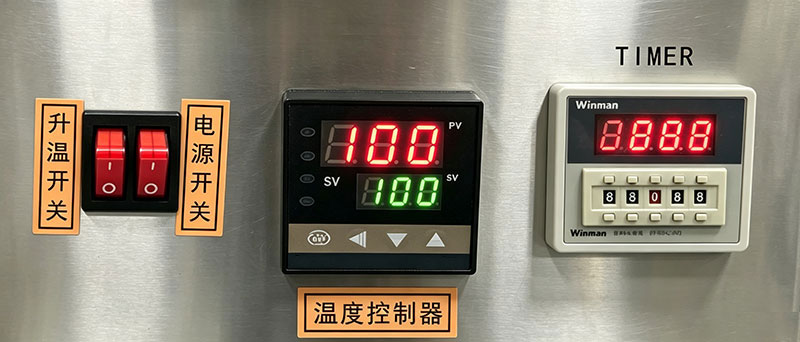
2. Single-chip Microcontroller (MCU) Based Constant Temperature Control
A single-chip microcontroller (also called embedded microcontroller) integrates a microprocessor (CPU), memory, parallel I/O interfaces, timers/counters and interrupt controllers onto a single chip. Newer MCUs are equipped with richer functions and faster speeds.
Many integrate built-in A/D converters, pulse width modulators, CAN bus, frequency multiplication circuits and low-power designs. There is a wide variety of MCUs available. The MCS-51 series has long been mainstream in China’s MCU market due to its complete architecture, comprehensive instruction set and standardized internal registers, together with mature supporting development tools and software systems.
MCUs feature small size, light weight, low cost and high reliability. They are widely applied in household appliances and intelligent instruments. In industrial control, multi-stage and distributed control can be implemented conveniently.
Computer systems are developing toward supercomputing, single-chip integration and networking. Supercomputers handle complex calculations and high-speed data processing. The most prominent advantage of MCUs is that they can be embedded into all kinds of instruments and equipment, which supercomputers and network systems cannot achieve.
With growing MCU demand, manufacturers keep upgrading MCU performance: adding new built-in functions, boosting computing speed, reducing power consumption, expanding storage capacity, enabling internet connectivity, and making major improvements in supply voltage, manufacturing process and anti-interference capability.
3. PID Control
In control systems, simple proportional regulators or PI (proportional-integral) regulators cannot deliver fully satisfactory regulation performance. To further improve control quality, PID regulators combine proportional, integral and derivative control actions.
PID control inherits the strengths of proportional, integral and derivative regulators with favorable dynamic and static characteristics. It is a classic algorithm widely adopted in practical process and motion control.
Statistics show PID is one of the earliest industrial control strategies. Thanks to simple algorithm, strong robustness and high reliability, it has broad application scenarios and easy operation, providing a foundation for computerized and intelligent control.
4. Fuzzy Control
Fuzzy control applies fuzzy theory to control technology. A fuzzy controller consists of fuzzification, fuzzy inference and defuzzification modules, all built on a knowledge base. Implemented by digital computers, fuzzy controllers perform three core functions:
1. Convert system deviation and deviation change from digital values into fuzzy subsets of linguistic variables (completed by fuzzification and database modules).
2. Conduct fuzzy inference on obtained fuzzy subsets according to predefined rules (completed by rule base and inference modules).
3. Convert fuzzy output values from inference into precise digital or analog signals usable by the physical system (completed by defuzzification calculation).
Therefore, designing a fuzzy logic controller covers fuzzification, knowledge base (database + rule base), inference decision and defuzzification calculation.
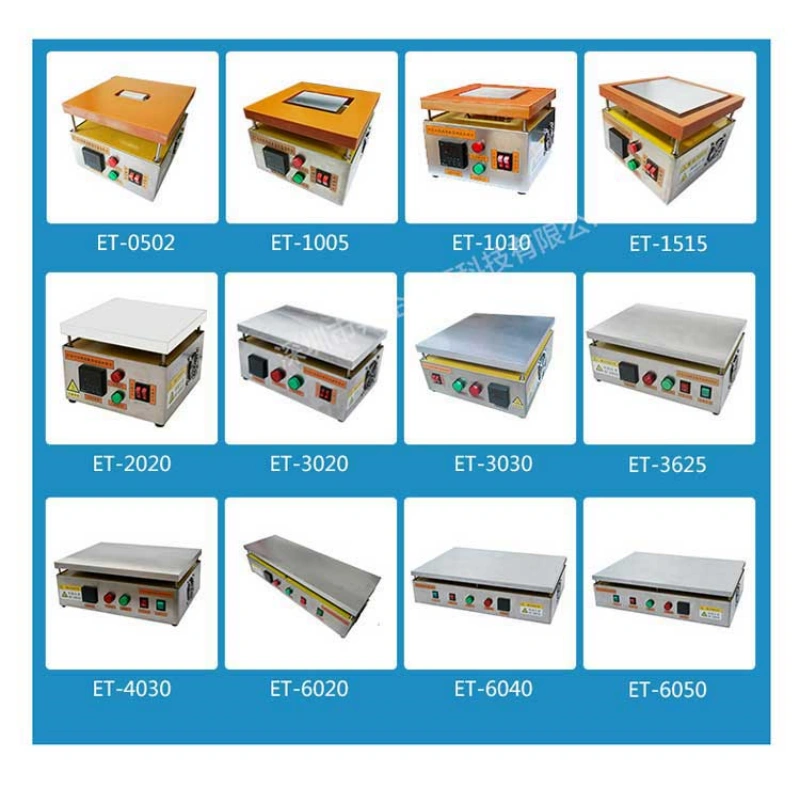
We are the manufacturer of electric heating stages with fully independent design and production, not a trading reseller. Factory direct supply ensures reliable quality and service.
Brand: ETOOL. Our products deliver precise control accuracy without temperature overshoot.
Important Notes for Constant Temperature Heating Stages!!!
- The desktop for placing the heating stage must be flat and level to keep the aluminum plate horizontal. The aluminum platform is calibrated with a level gauge before delivery, no further adjustment required by users.
- Do not block the ventilation slots on the chassis, otherwise heat dissipation will be impaired. Never insert metal objects through ventilation openings into the chassis to avoid electric shock hazard.
- Do not install in highly humid or corrosive environments. Long-term exposure will damage the appearance, please protect your equipment.
- The power socket must be properly earthed. Resistive heating elements generate induced electricity, which will be eliminated once grounding is connected to ensure your safety. Always use earthed sockets!
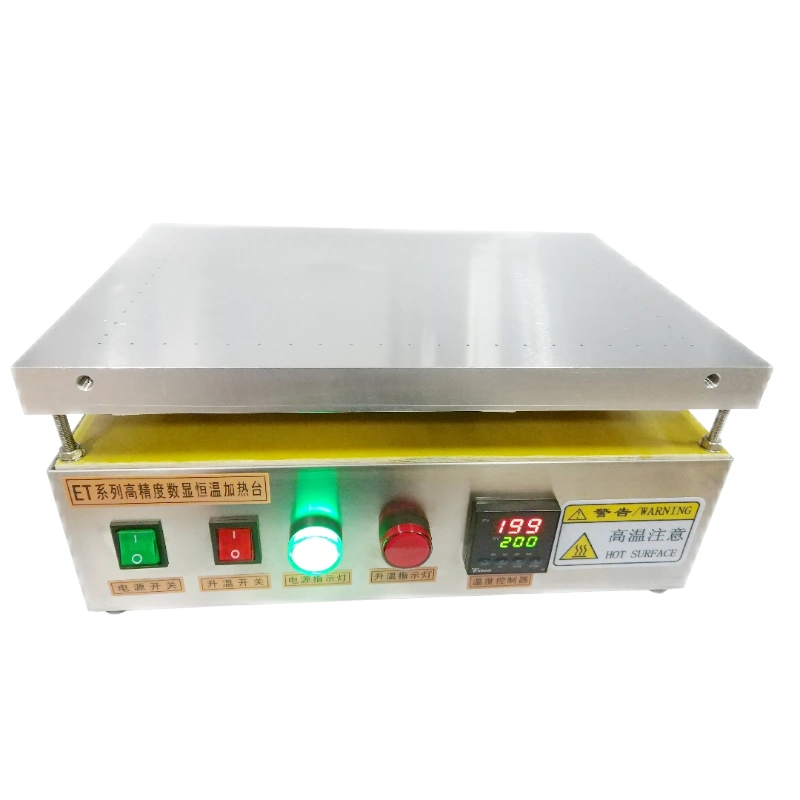
The surface of precision constant temperature heating stages is made of high thermal conductivity aluminum alloy with smooth oxidation treatment for easy maintenance. Adopting PID temperature control, it maintains uniform temperature across the whole plate including edges and corners under long continuous heating.
It is widely used for soldering and repairing LED aluminum substrates and lamp beads, as well as sample baking, drying and other temperature tests in various industries. It is essential equipment for biology, genetics, medical & health, environmental protection, biochemical laboratories, analytical rooms, teaching and research.
WeChat
Scan the QR Code with WeChat