 あなたのウェブサイト名

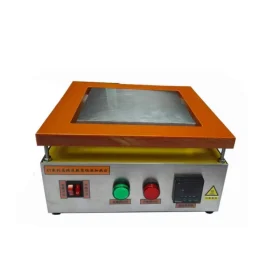
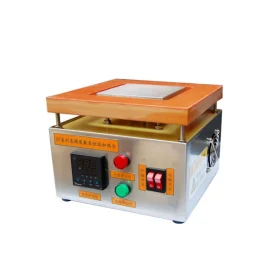
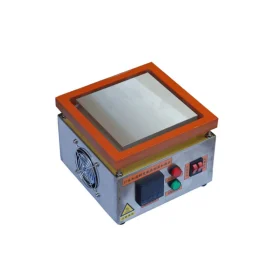
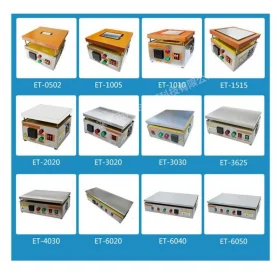
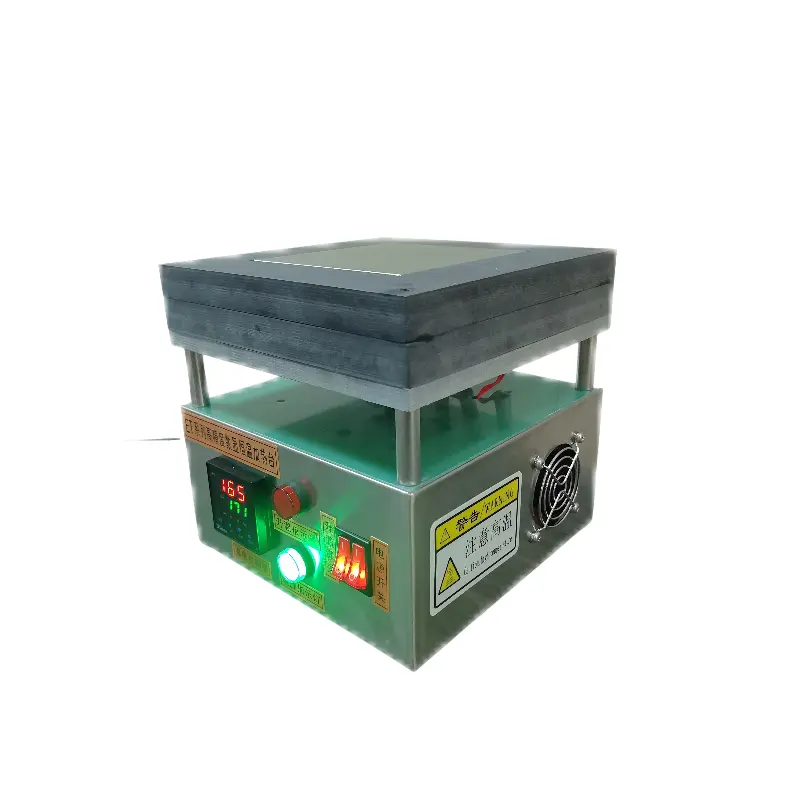
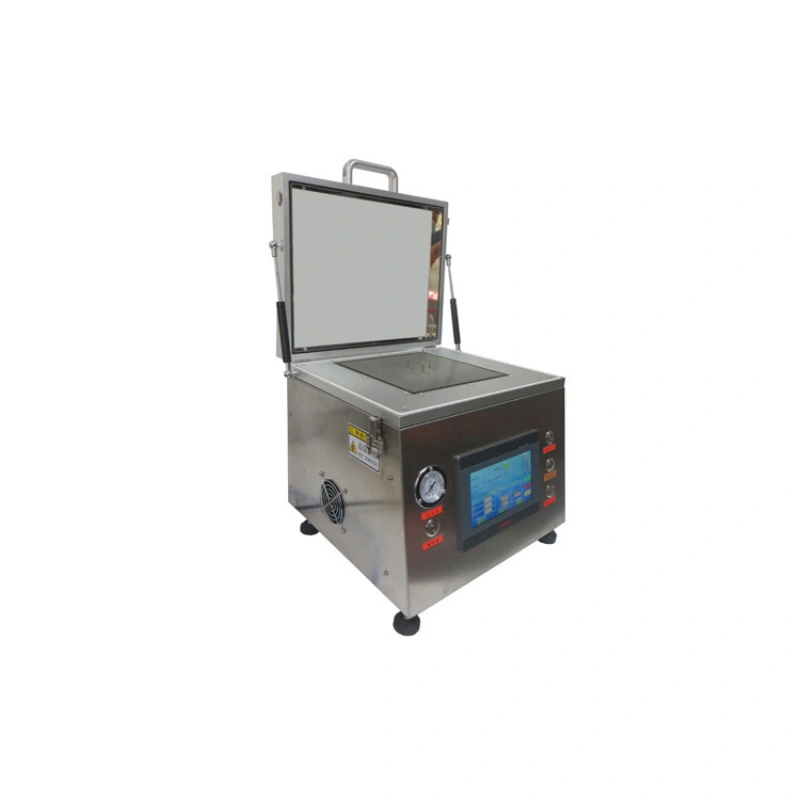
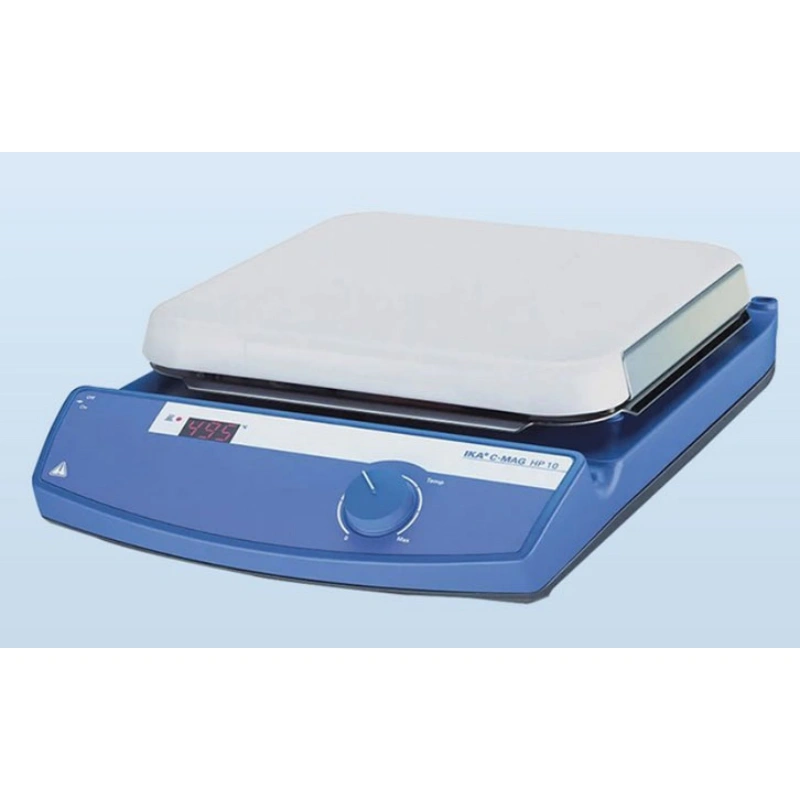
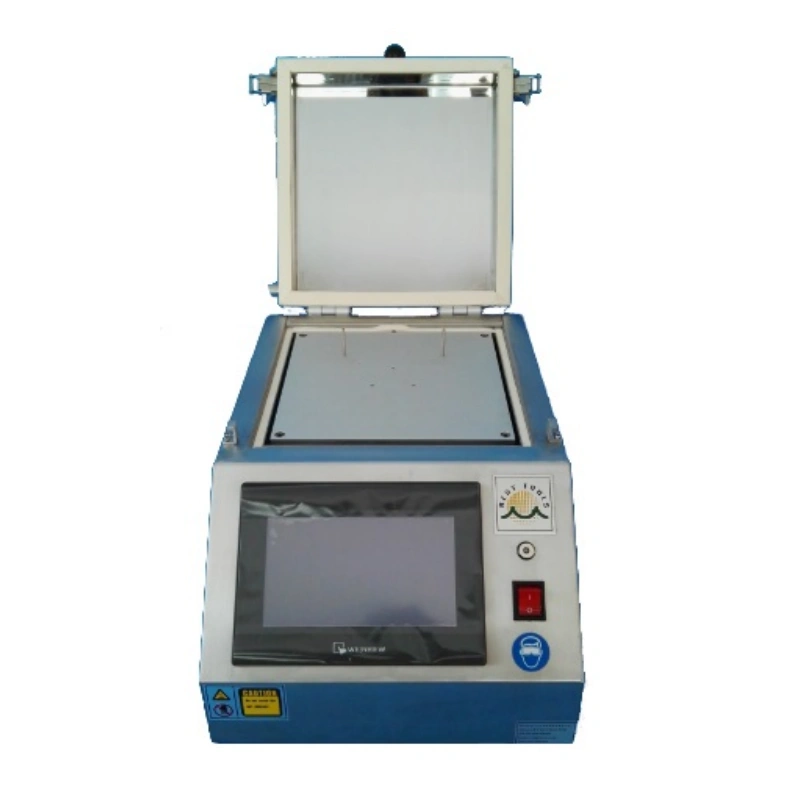
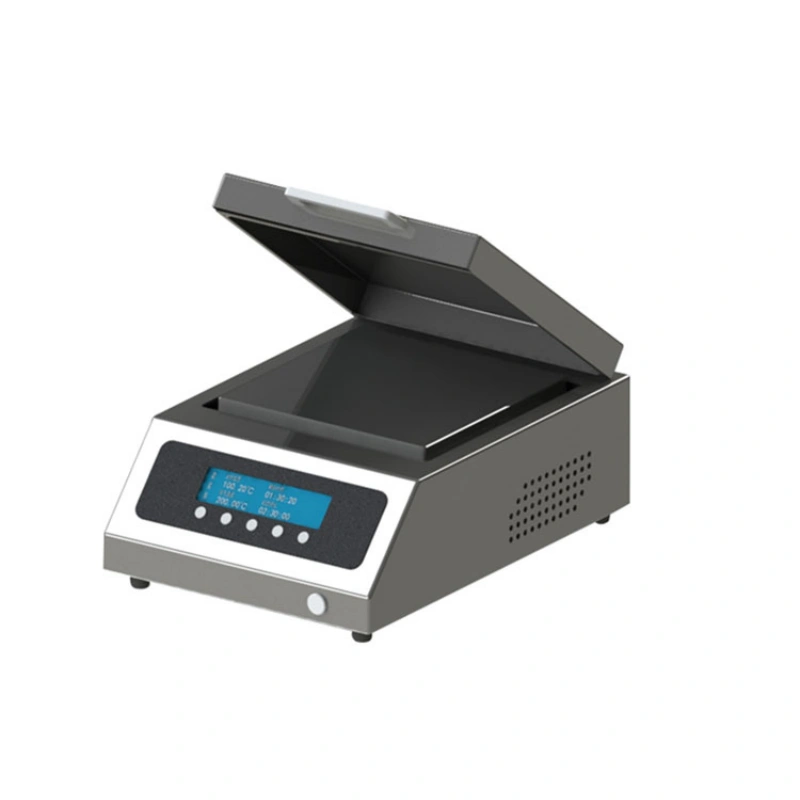
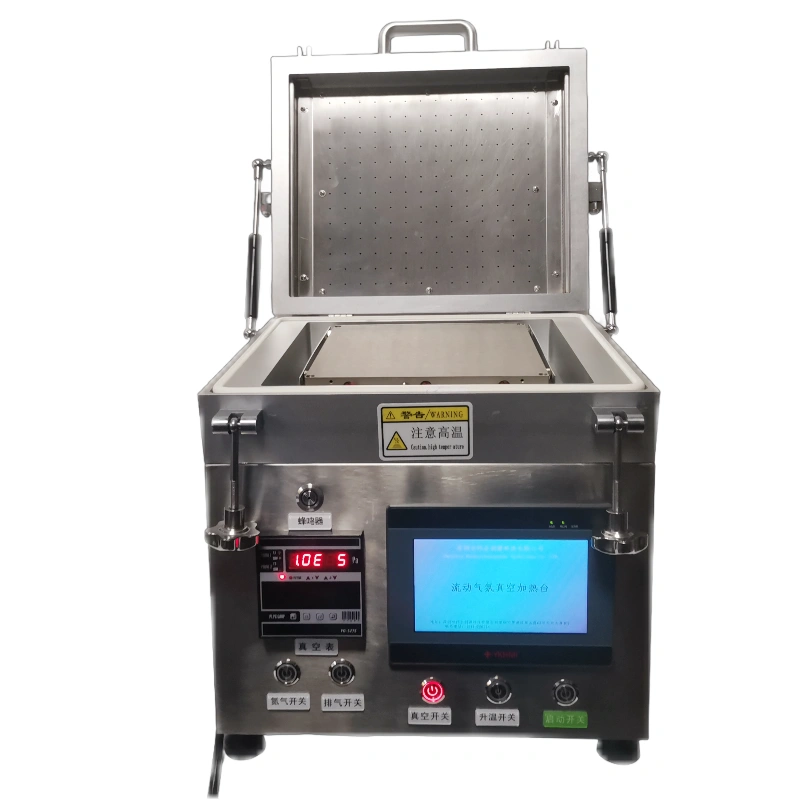
Oven Cast Metal Heating Plate
Oven cast metal heater uses tubular heating elements as heat source. The heating tubes are bent into designated shapes, placed into molds, and centrifugally cast with premium metal alloy housings into multiple forms: ラウンド, flat plate, right-angle, air-cooled, water-cooled and special irregular custom shapes. After precision machining, the oven heating plate can fully attach to heated workpieces for optimal heat transfer.
- Cast Aluminum: Surface load 2.5–4.5 W/cm², max working temperature 400–500℃
- Cast Copper: Surface load 3.5–5.0 W/cm², max working temperature 600–700℃
- Cast Iron: Surface load 4.5–6.0 W/cm², max working temperature 800–850℃
Cast metal heaters deliver evenly distributed heat via high thermal conductivity alloy, eliminating hot spots and cold zones on heating surfaces. Advantages include long service life, excellent thermal insulation, high mechanical strength, corrosion resistance and anti-magnetic performance. Install thermal insulation on outer heat dissipation surfaces and sinter far-infrared coating on inner surfaces to reduce power consumption by 35%.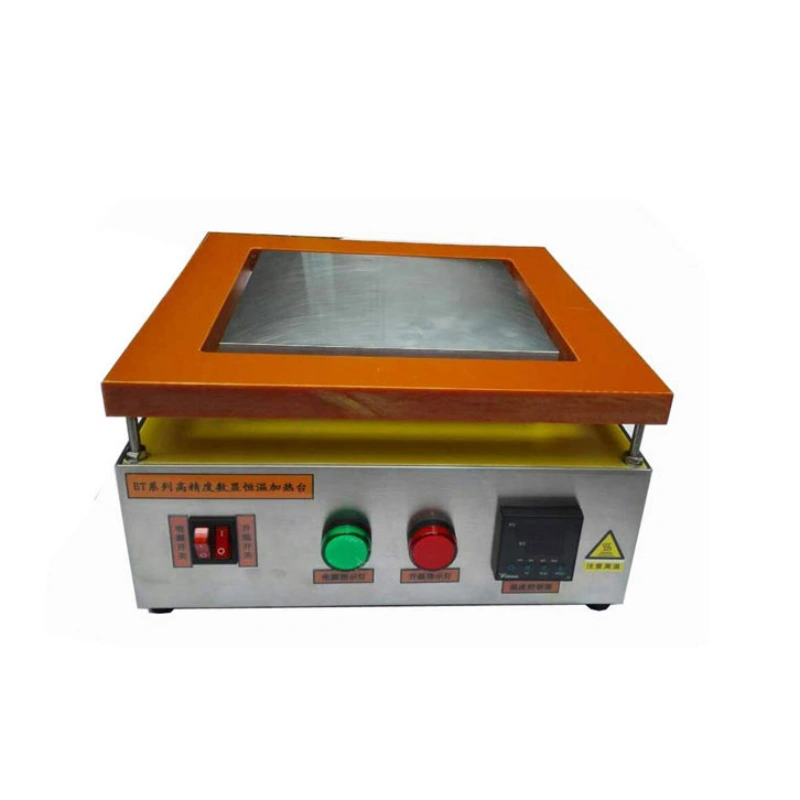
1. Main Application Fields
Widely matched with plastic machinery, molds, cable extruders, alloy die-casting machines, pipelines, chemical, rubber and petroleum industrial equipment. Printing heating plates are specially used for textile & plastic industrial printing, hot stamping and drying processes.
2. General Safety Precautions
- Operating voltage shall not exceed 110% of rated voltage; reliable grounding is mandatory. Ambient relative humidity ≤95%, free of explosive and corrosive gas.
- Wiring terminals must be arranged outside heating and insulation layers with grounded housing. Avoid contact with corrosive media, explosive substances and water. Store cast aluminum heaters in dry environment. Inspect for electric leakage and short circuits before operation for safety. If insulation resistance drops below 1MΩ after long storage, bake in an oven at ~200℃ for 5–6 hours to recover insulation, or energize under reduced voltage until insulation recovers.
- Securely fix the cast aluminum heater; effective heating surface must fully contact workpieces. Dry burning without load is strictly prohibited.
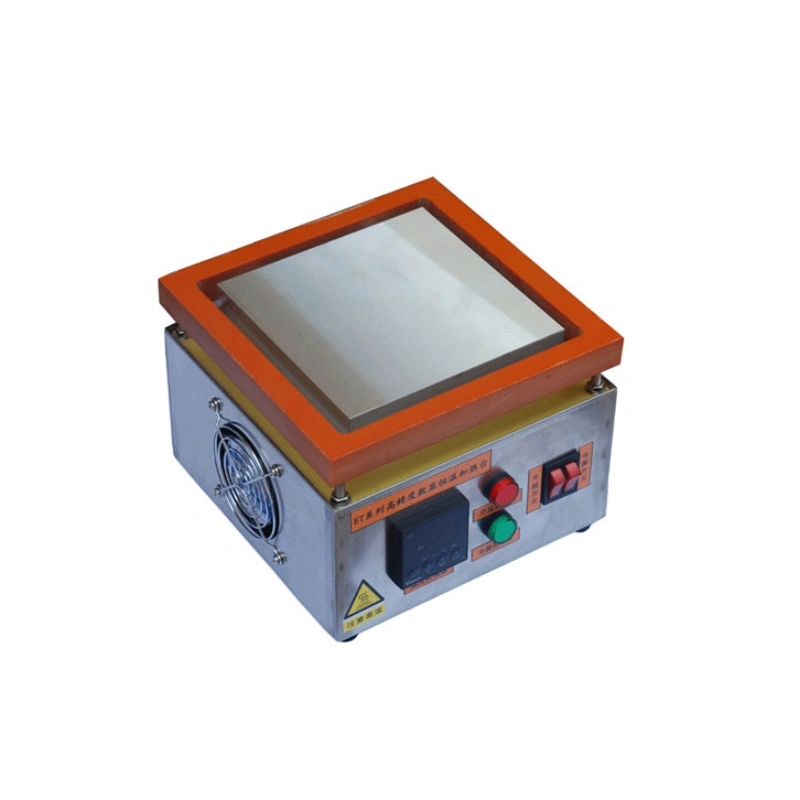
3. Standard Operation Instructions
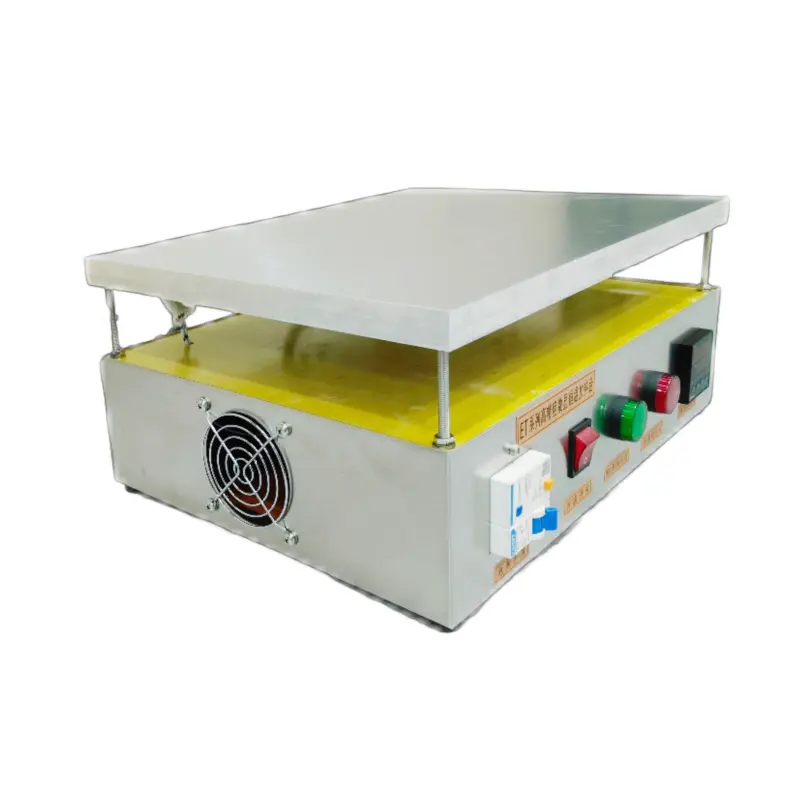
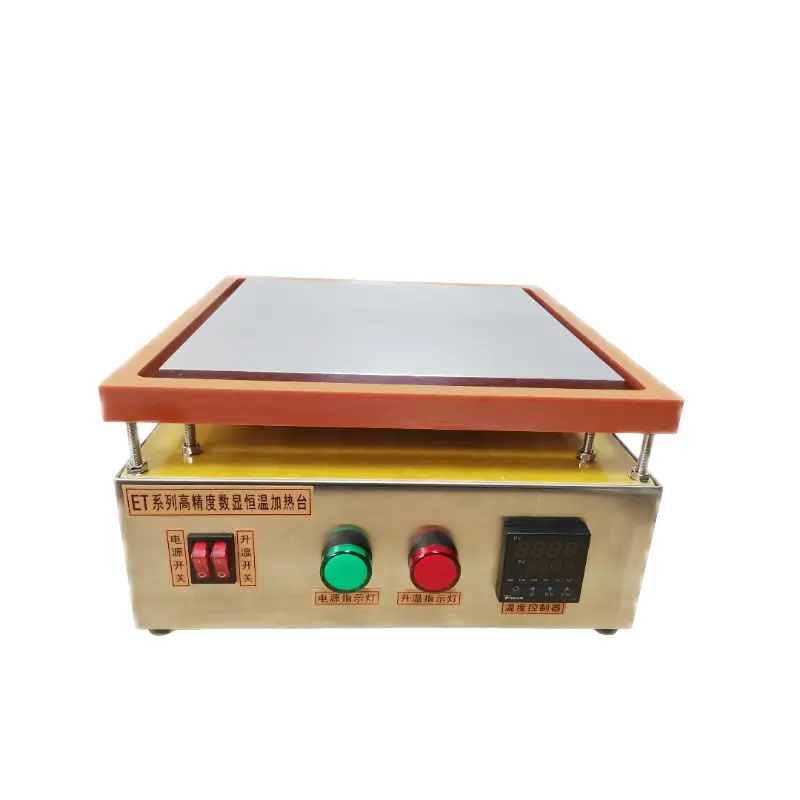
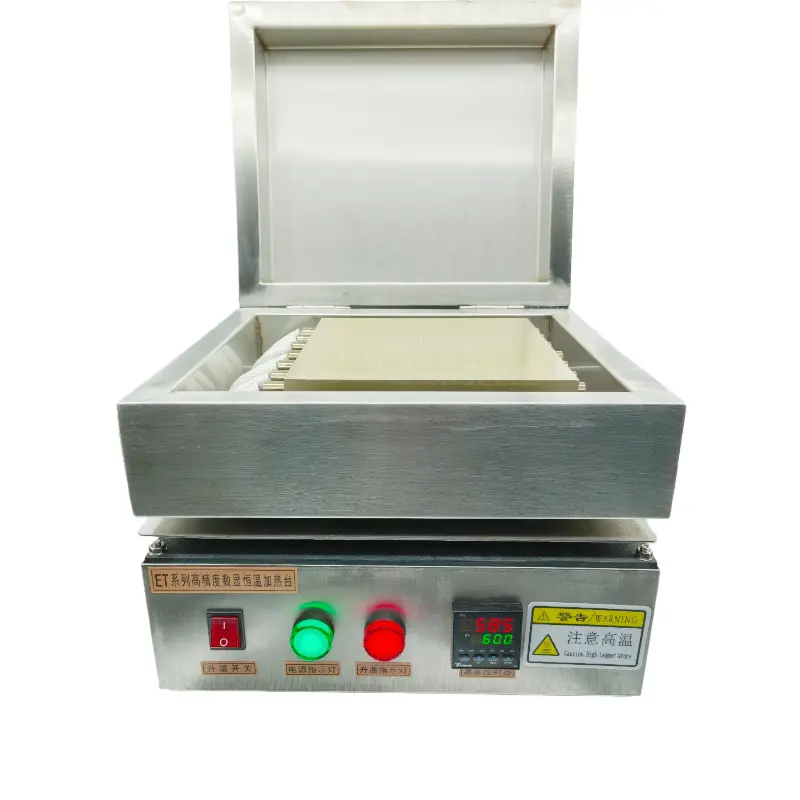
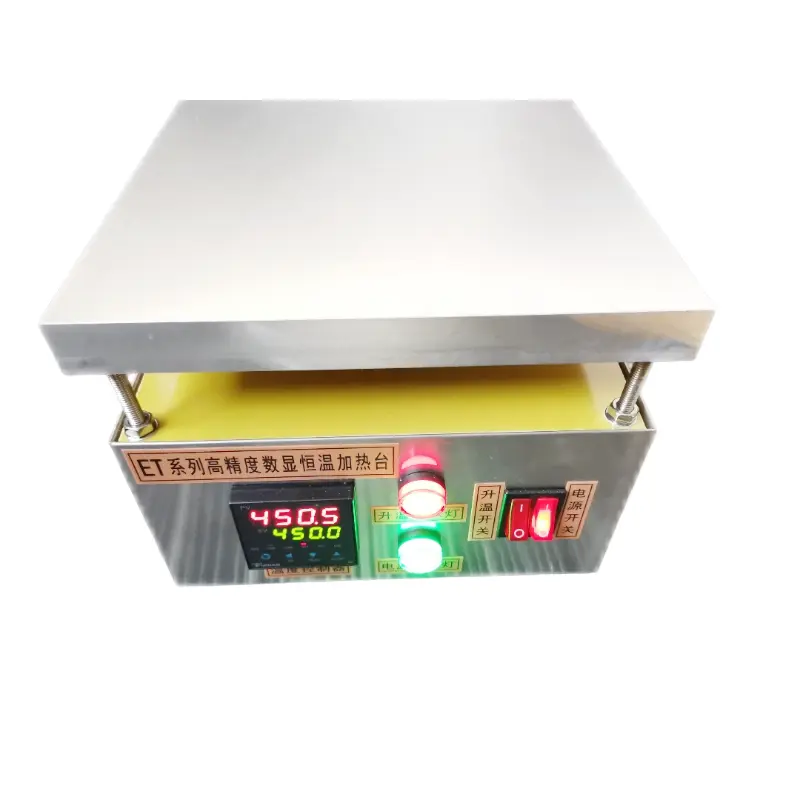
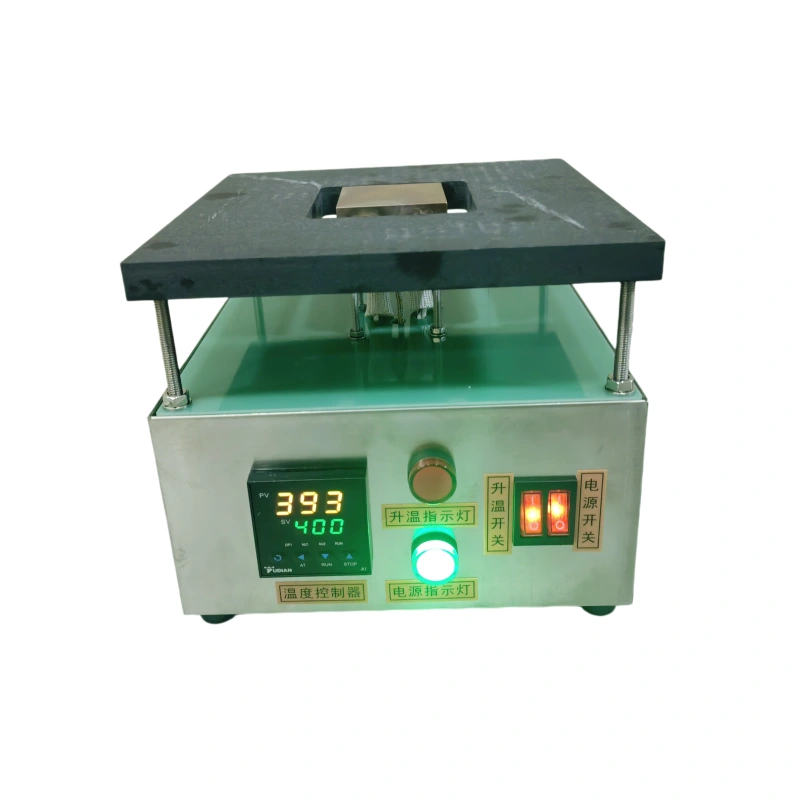
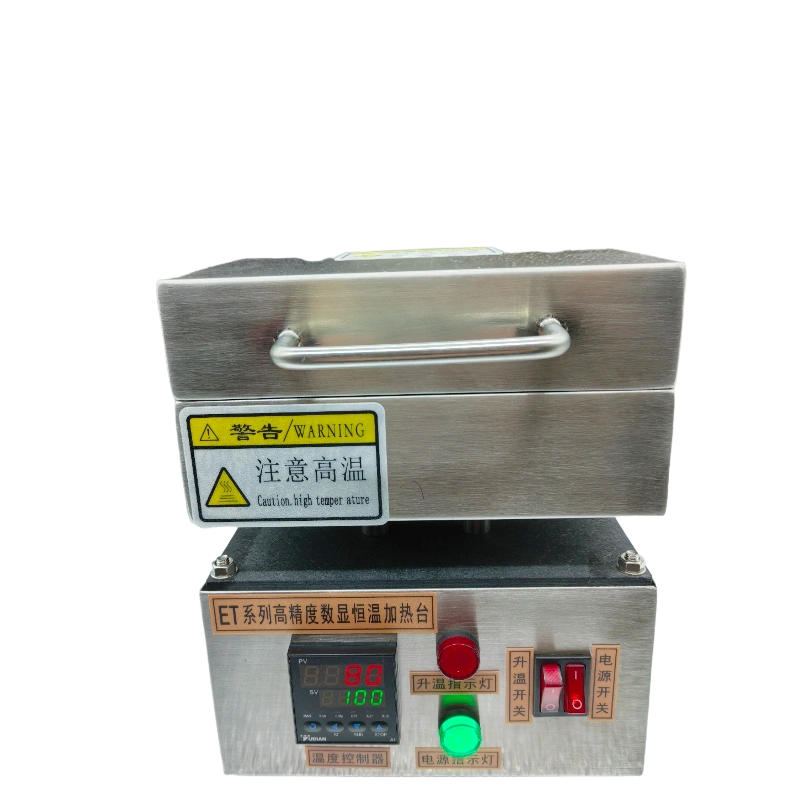
- Connect power supply and turn on power switch; steady green power indicator confirms power input.
- Turn on heating switch to start operation. Solid red heating lamp = continuous temperature rise; flashing red lamp = constant temperature intermittent heating mode.
- After operation, turn off heating switch first. Green power light remains lit as safety warning — do not touch hot surface. Wait at least 1 hour for full cooling before cutting main power.
- Initial overshoot of 3–5℃ above set temperature is normal and fades within minutes, improving overall temperature uniformity. Residual machining oil inside screw holes will vaporize under high heat, producing white smoke and slight odor; this phenomenon disappears after initial run-in and does not indicate equipment failure.
4. Production Manufacturing Process
Cast aluminum heating plates are divided into die casting and gravity casting processes. Gravity casting is preferred for multi-size mass production. Production steps: high-purity aluminum ingots are melted into liquid in high-temperature furnaces, poured into pre-assembled molds with installed tubular heating tubes, cooled and solidified, then processed via precision machining.
Standard wall thickness: 20mm and 25mm. The 25mm thick heating ring adopts concave-convex air flutes on inner walls to prevent overheating of internal heating tubes, supporting air cooling or water cooling for fast temperature regulation. Most cast aluminum heating rings are split into two semicircular halves and fastened together with fixing bolts during installation.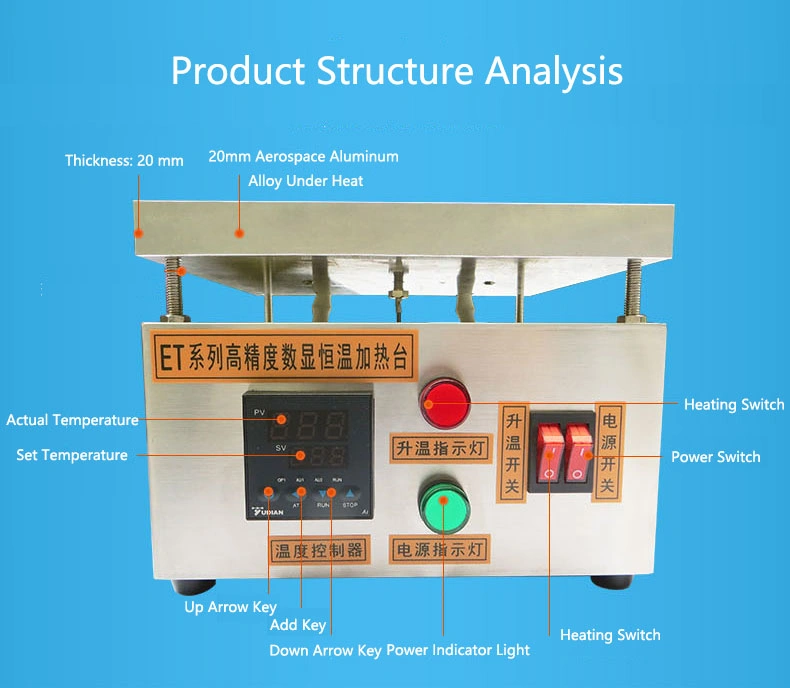
5. Full Extended Safety Operation Notes
- Operating voltage shall not exceed 110% of rated voltage; ambient relative humidity ≤95%, no explosive or corrosive gas.
- Arrange wiring terminals outside heating & insulation layers with reliable housing grounding; avoid contact with corrosive media, explosive substances and water. Lead wires must withstand long-term terminal temperature and heating load; do not over-tighten wiring fixing screws.
- Store in dry location. If insulation resistance falls below 1MΩ after long storage, bake at ~200℃ for 5–6 hours or energize under reduced voltage to restore insulation performance.
- Fix heater firmly, full contact between effective heating surface and workpiece required; dry burning is forbidden. Immediately clean surface dust and contaminants before use to avoid poor heat dissipation and shortened service life.
- Prevent pollutants and moisture from penetrating magnesium oxide insulation powder at heating tube outlets to avoid electric leakage hazards.
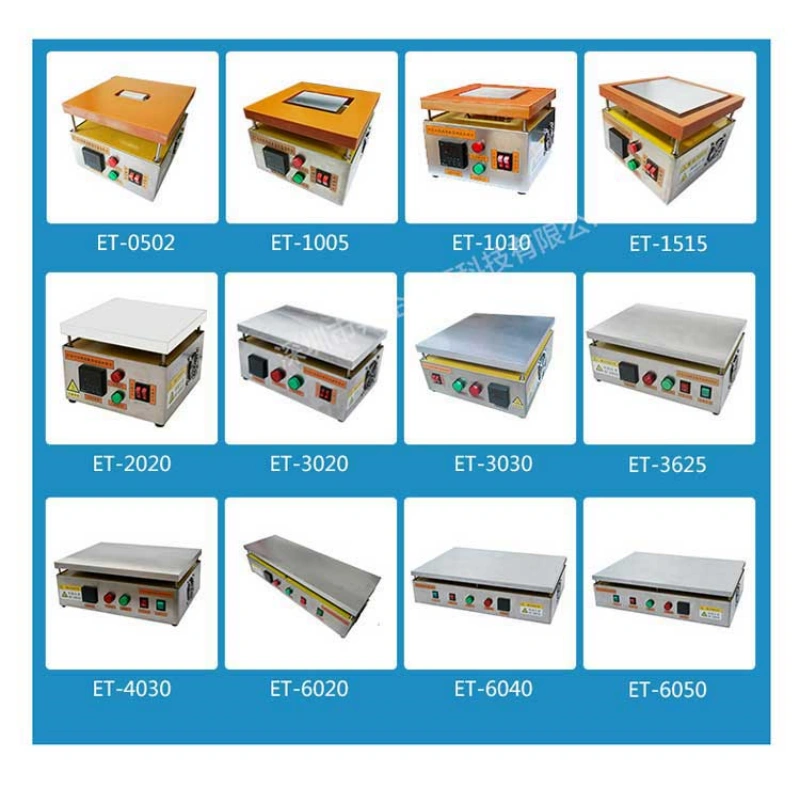
6. Product Type Classification
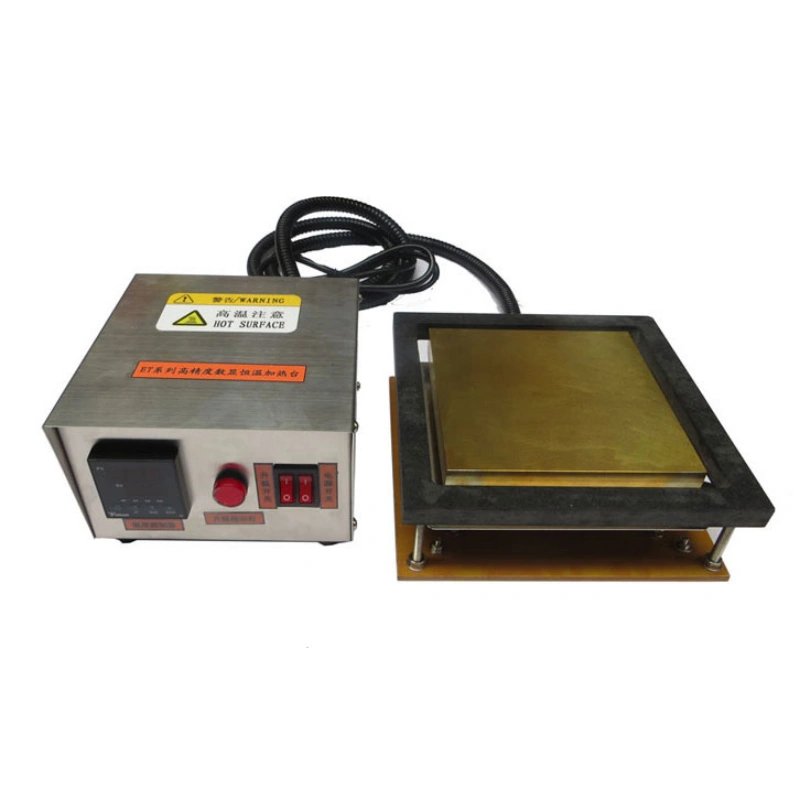
Aluminum alloy cast heating plates use tubular heating elements bent and cast inside aluminum alloy molds. Available series: flat heating plates, air-cooled heating plates (inner & outer air flutes), water-cooled heating plates (integrated water pipelines), flat rectangular plates, right-angle plates and custom special shapes.