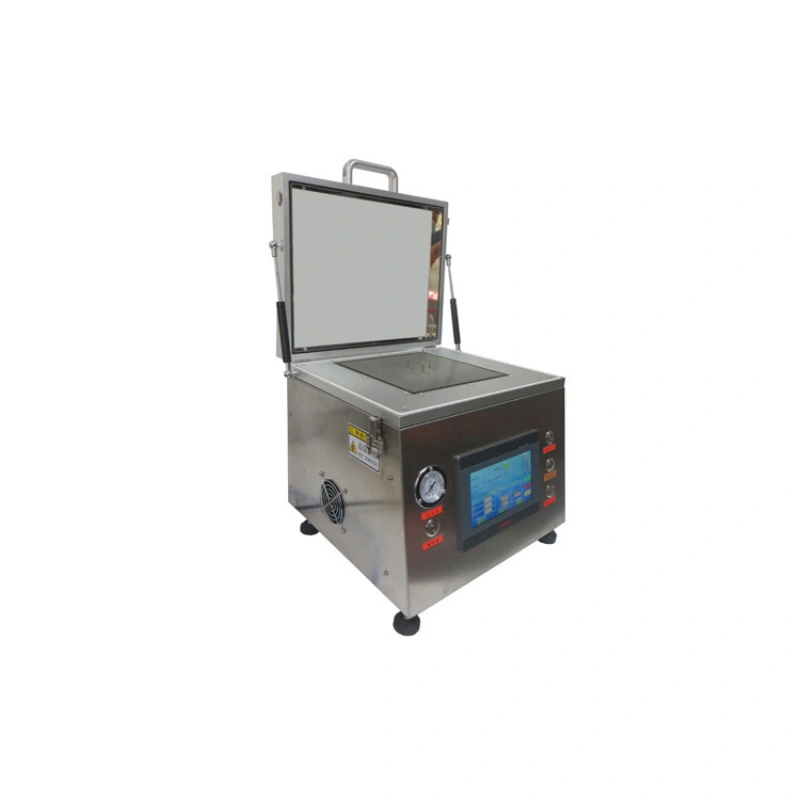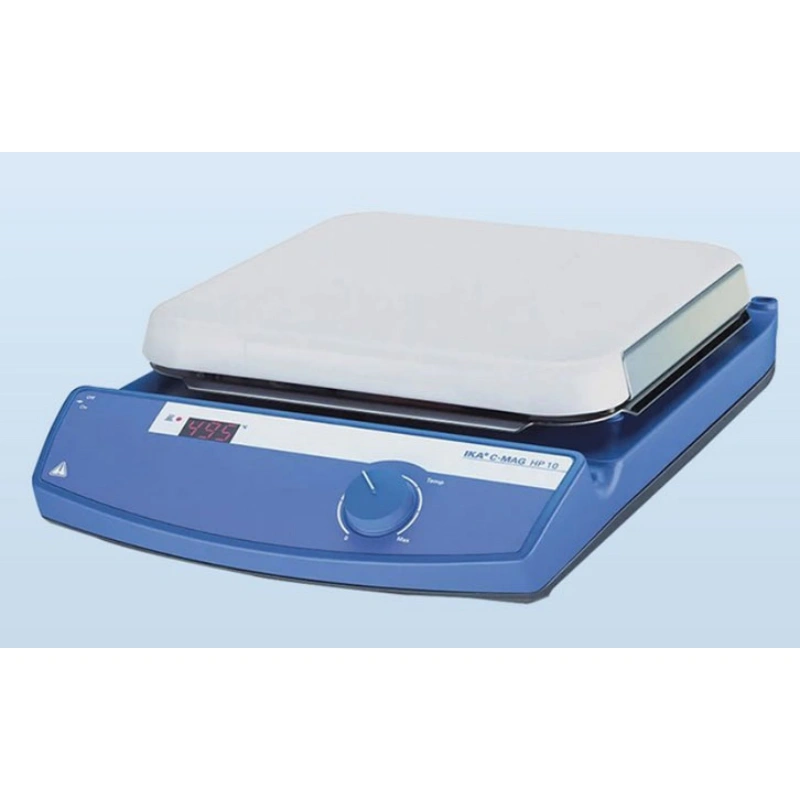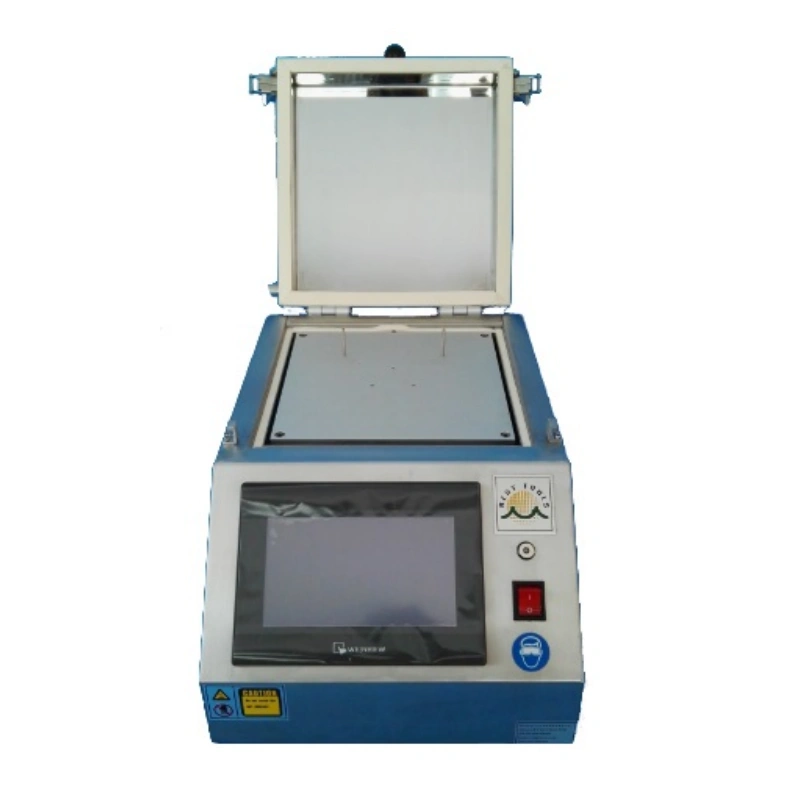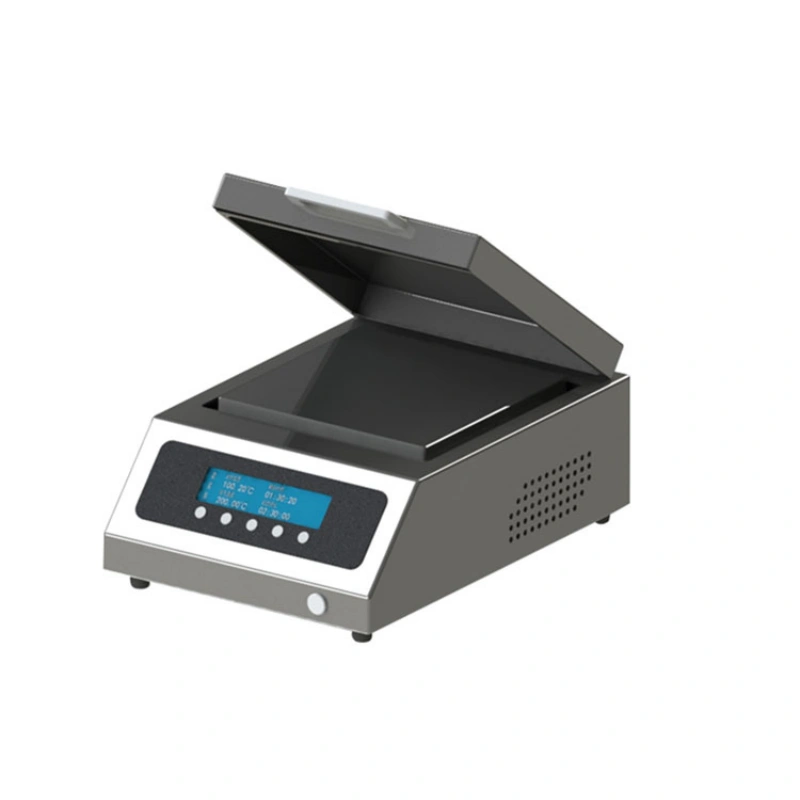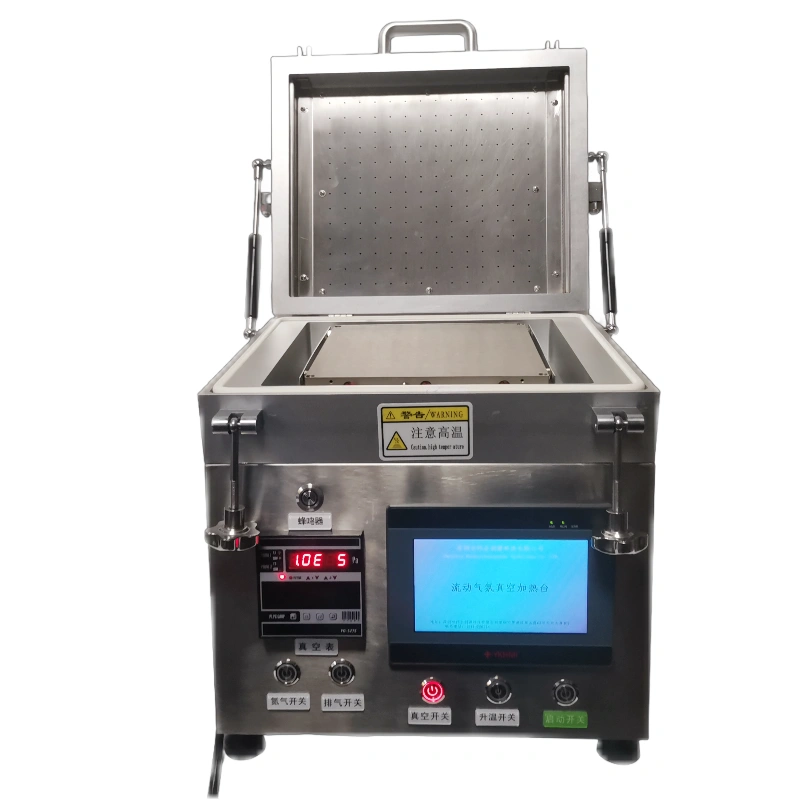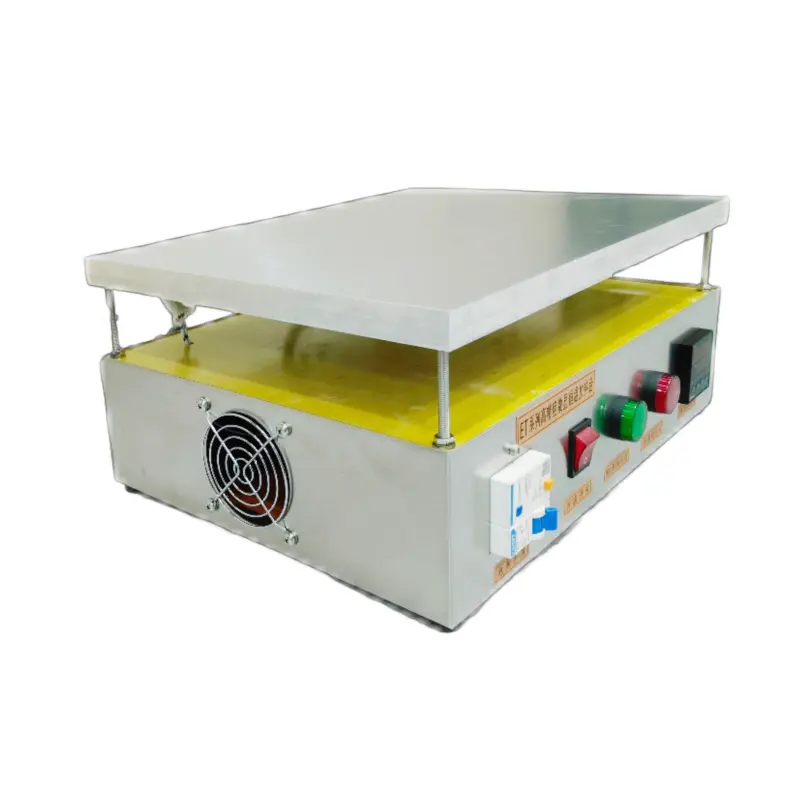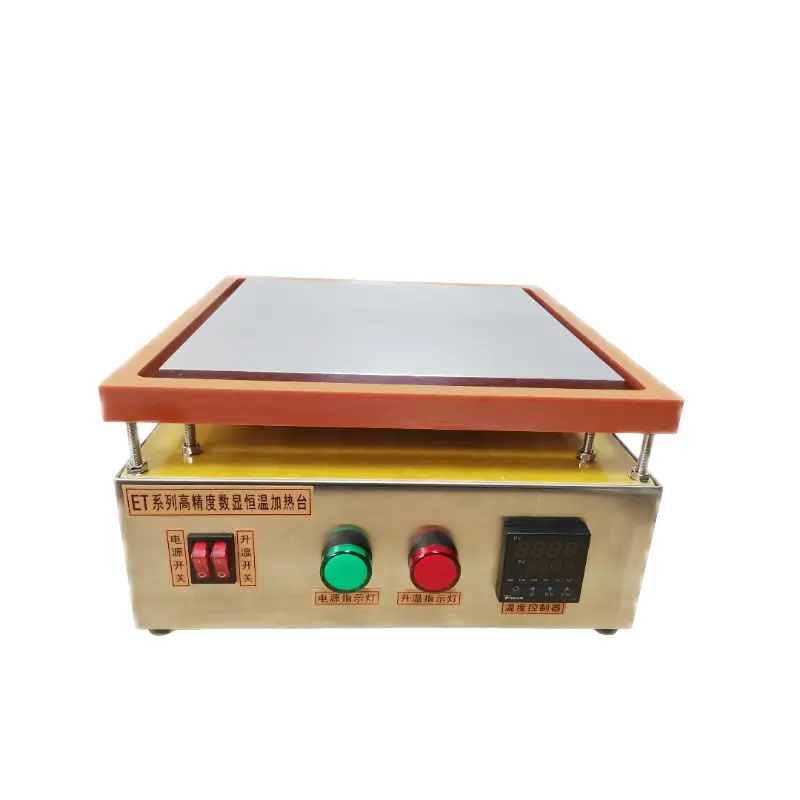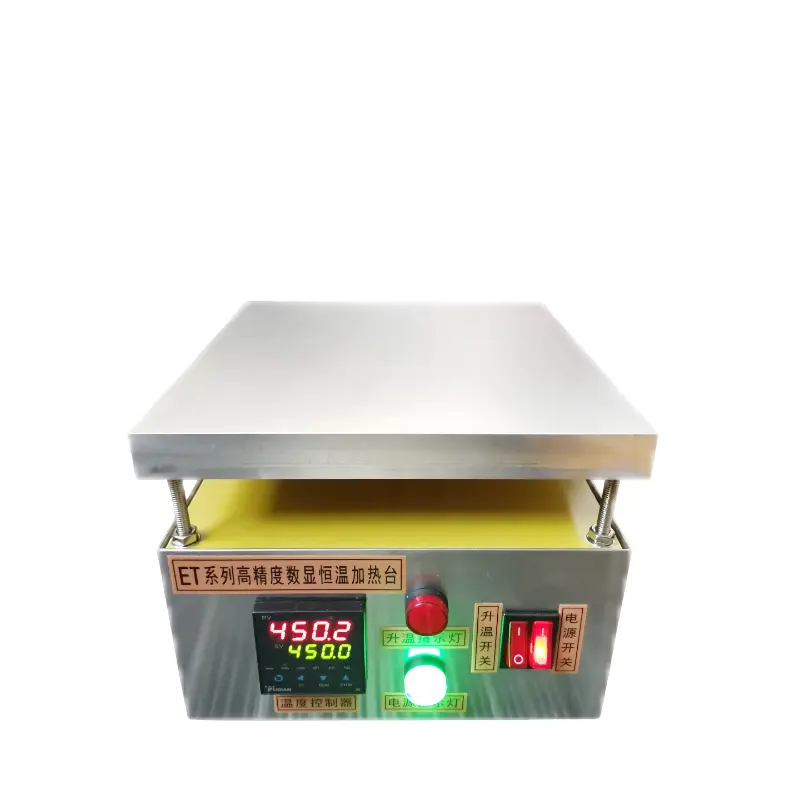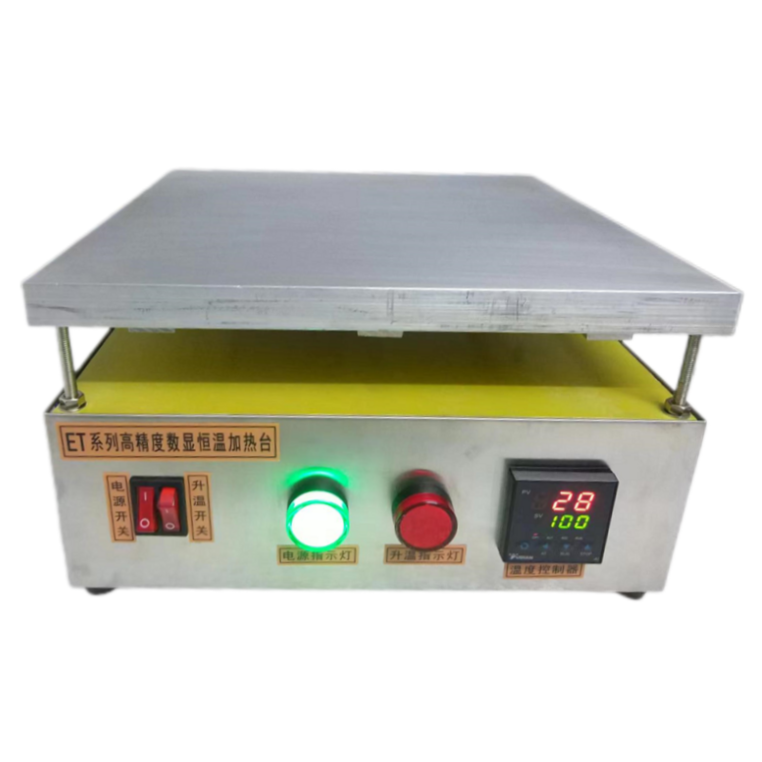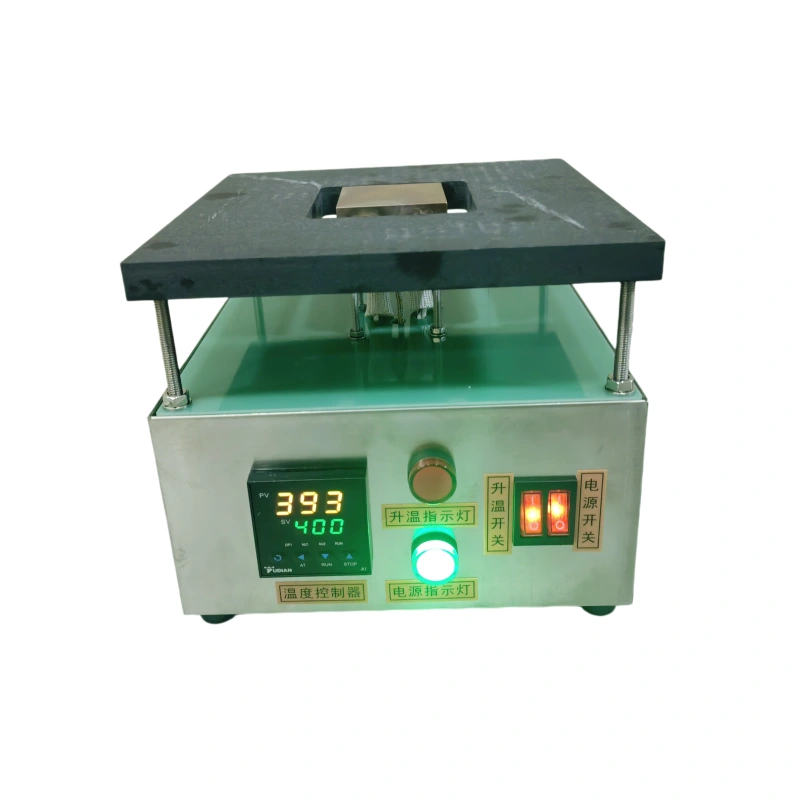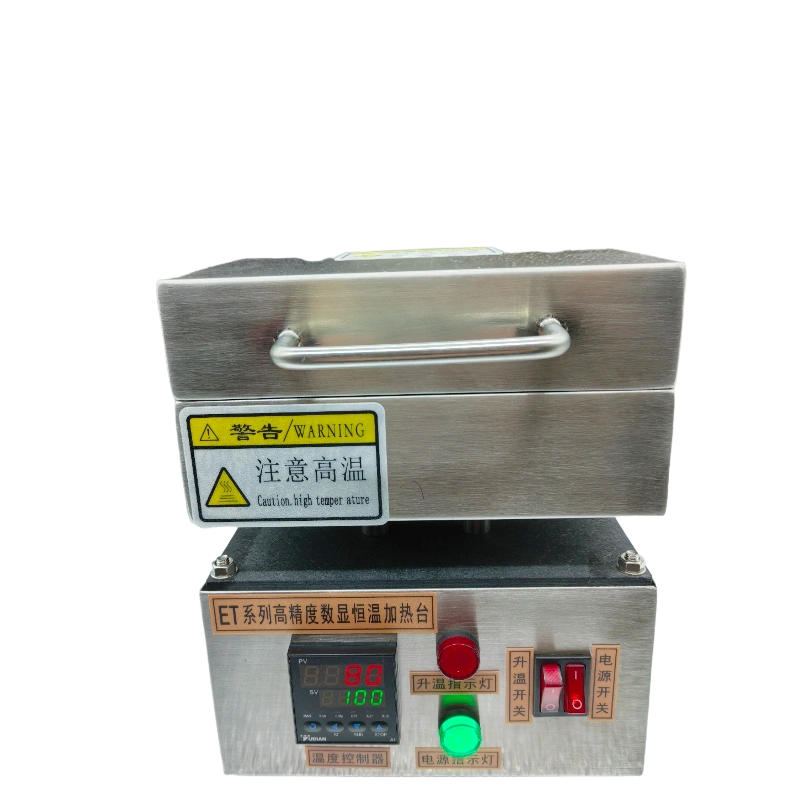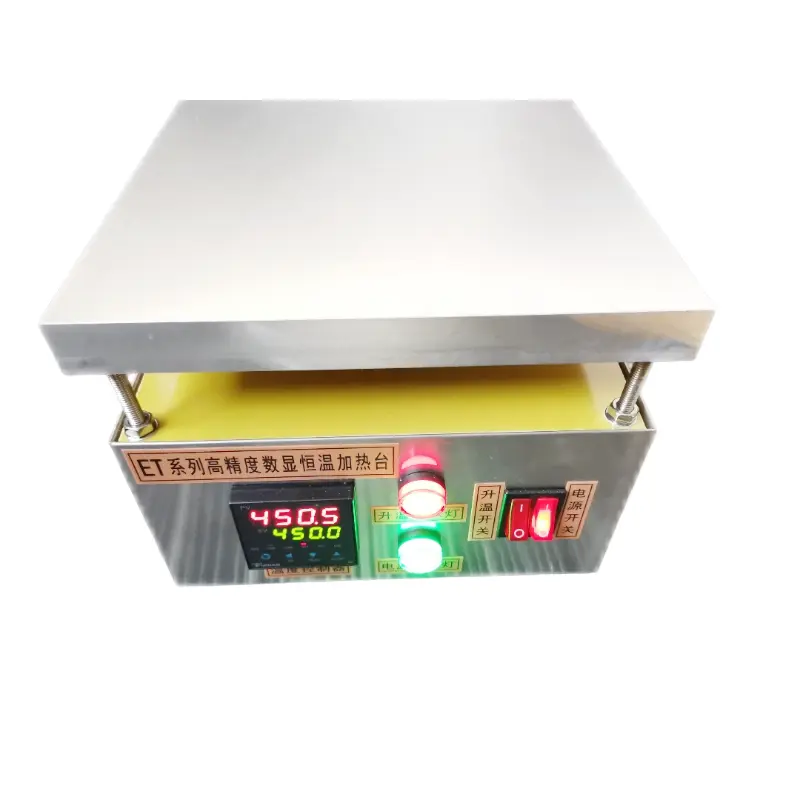

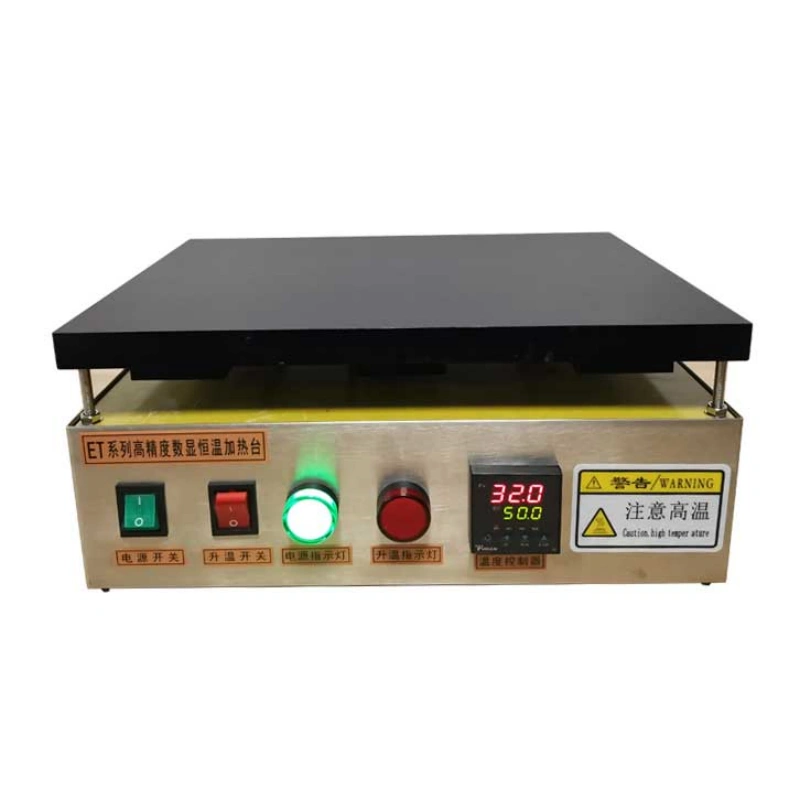
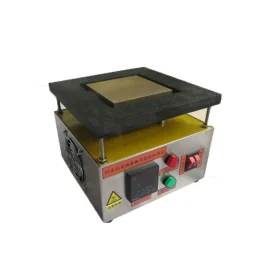
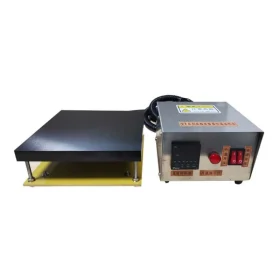
The laboratory electric hot plate is a constant-temperature device specially designed for thermal pretreatment of various analytical samples. Widely used in labs for sample heating, acid elimination and digestion processes, it adopts a glass ceramic heating core to provide uniform high-temperature heat and ensure even heat distribution over the entire sample contact area.
Laboratory Glass Ceramic Electric Hot Plate
1. Key Performance Characteristics
- Glass ceramic working surface, high temperature resistant and rust-free. (Teflon-coated surfaces cannot withstand high temperatures; stainless steel surfaces resist heat but are prone to rust.)
- Wear-resistant with long service life; smooth surface for effortless cleaning.
- Large heating area to support batch sample processing.
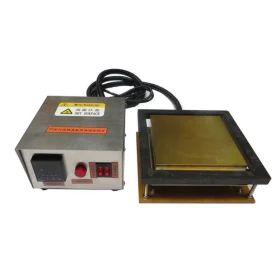
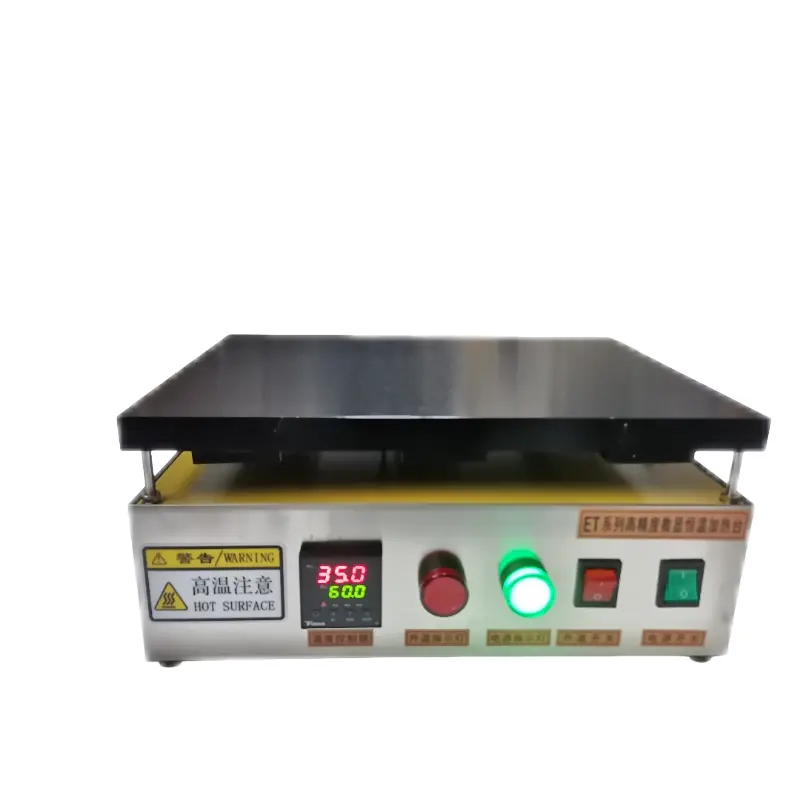
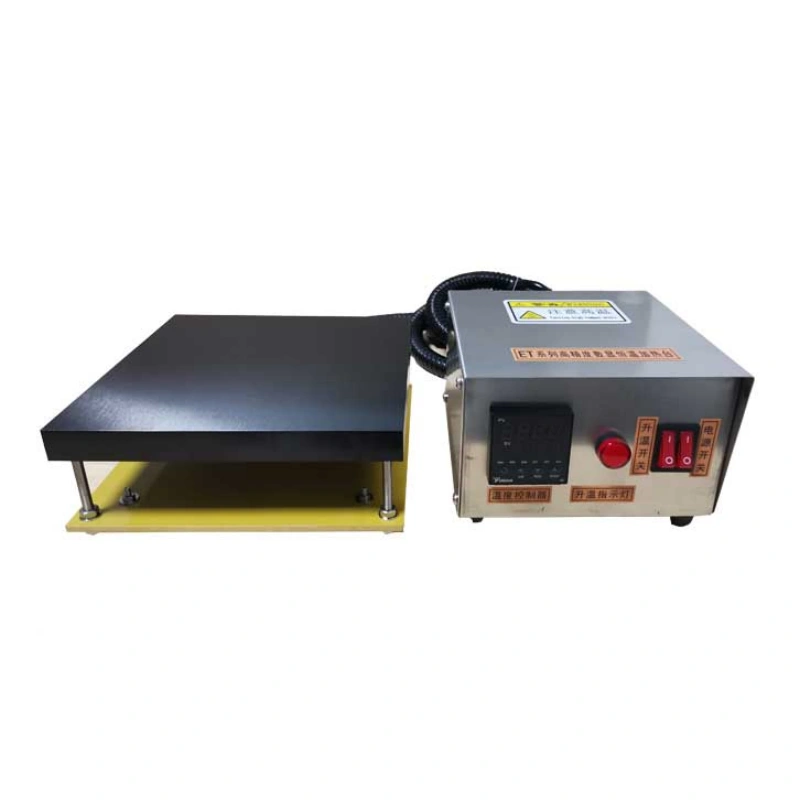
- Split control design keeps operators away from acid fumes during operation for improved safety and convenience.
- Platinum resistance temperature sensor for precise temperature control, fast uniform heating, maximum working temperature up to 400℃.
- Large LCD screen for intuitive real-time data display.
- Overheat warning function: a prominent red indicator light activates when the plate surface exceeds 50℃ for enhanced operational safety.
- Keypad-free main body coated with multi-layer anti-corrosion Teflon paint for dual-layer protection against corrosive media.
2. Complete Technical Parameters
| Item | Specification |
|---|---|
| Heating Surface Material | Glass Ceramic |
| Heating Surface Dimension | 500mm × 400mm |
| Temperature Control Range | Ambient ~ 400℃ |
| Temperature Stability | ±1℃ |
| Temperature Measurement Accuracy | ±0.2℃ |
| Control Mode | Split PID Intelligent Program Control |
| Timer Setting Range | 1 min – 24 h |
| Power Supply | AC220V / 50Hz |
| Rated Power | 3000W |
3. Performance Comparison of Different Heating Surface Materials
| Surface Performance | Glass Ceramic | Stainless Steel | Coated Industrial Ceramic | Teflon Coated |
|---|---|---|---|---|
| Max Operating Temp | 400℃ | 400℃ | 300℃ | 250℃ |
| Corrosion & Rust Resistance | Rust-free permanently | Prone to rust | Rusts once coating wears off | Rusts once coating wears off |
| Ease of Cleaning | Wipe clean in one stroke | Hard to clean | Not easy to clean | Hard to clean |
4. Laboratory Application Scope
- Environmental Monitoring: Wastewater, drinking water, sludge, mineral slurry, effluent discharge, soil samples, etc.
- Agriculture & Food Inspection: Milk powder, aquatic products, vegetables, tobacco, plant tissues, fertilizers, etc.
- Product Quality Control: Cosmetics, food by-products, industrial manufactured goods, etc.
- Scientific Research: Experimental analysis, project development research, etc.
- Disease Prevention & Control: Biological specimens, human hair samples, etc.

High Temperature Glass Ceramic Laboratory Digestion Hot Plate | Acid Resistant Lab Heating Equipment