

How to Select Your Laboratory Hot Plate? Professional Manufacturer Analysis
Faced with numerous laboratory hot plate brands on the market and diverse choices of plate materials and parameters, how do you select the most suitable hot plate? ETOOL manufacturer provides professional analysis with 3 key points as follows.
To make a good selection, you first need to understand what each parameter means. Manufacturers and instrument suppliers will list product technical specifications. Some are complicated and hard to understand while others are simple and sketchy. No worries, you only need to focus on the key parameters below.
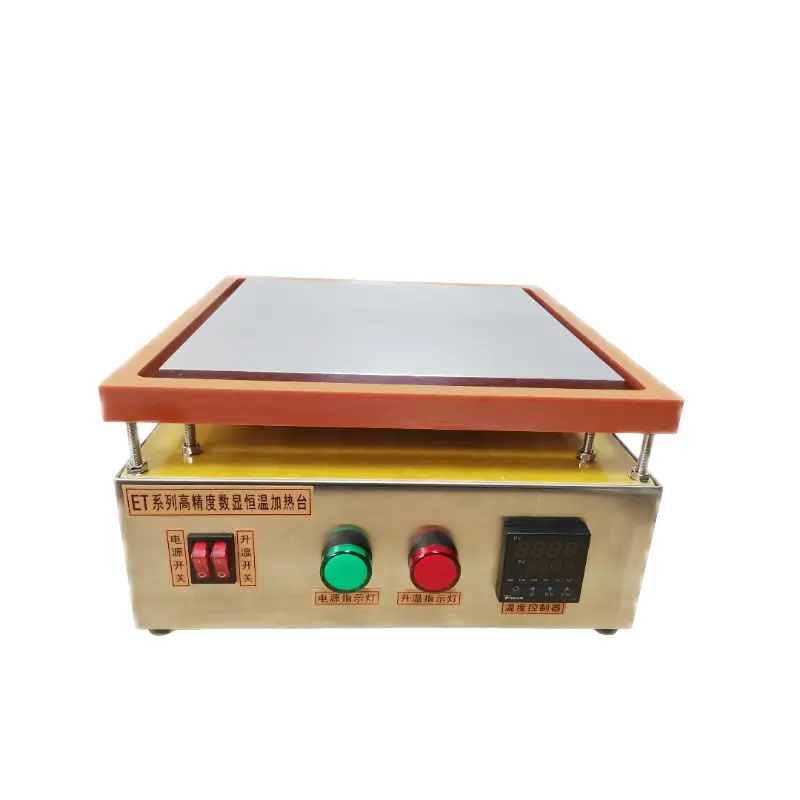
Three Core Parameters
1. Temperature Uniformity
It is the most critical parameter of a hot plate. Temperature uniformity refers to the evenness of temperature distribution across the plate surface once the displayed temperature reaches your set value, i.e. the temperature difference between the hottest and coldest spots on the plate. It is a core indicator to evaluate the performance of the plate material and heating system.
2. Resolution
Also known as readability. It indicates the decimal precision of the displayed temperature value and reflects the display & control capability of the hot plate. Ordinary hot plates usually show integer values (resolution=1). Higher-precision models can reach 0.1℃.
3. Sensor Temperature Control Accuracy
It describes the control performance of the built-in temperature control system, the temperature deviation when the heating plate reaches the setpoint. Together with temperature uniformity, it is one of the key metrics to judge the quality of the heating system.
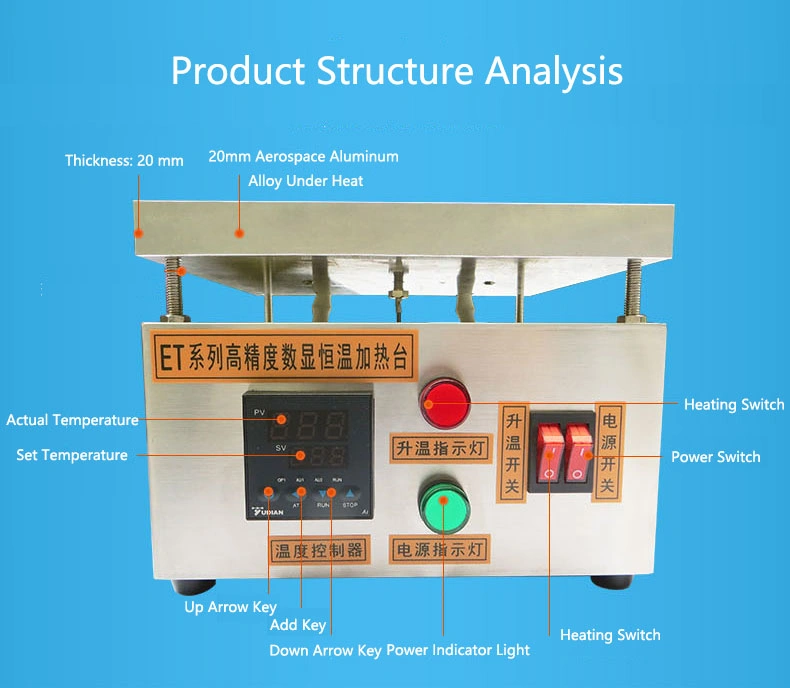
The above three points are the core criteria for judging the quality of precision hot plates. If you plan to purchase high-quality hot plates, pay close attention to these parameters.
It should be noted that manufacturers normally will not actively promote non-competitive specs, so not every model will publish all the above data.
Other general parameters such as heating plate material, temperature control range and plate size can be selected according to your actual experimental requirements.
For example, choose aluminum alloy plates if corrosion resistance is required; choose ceramic plates for electrical insulation, etc.
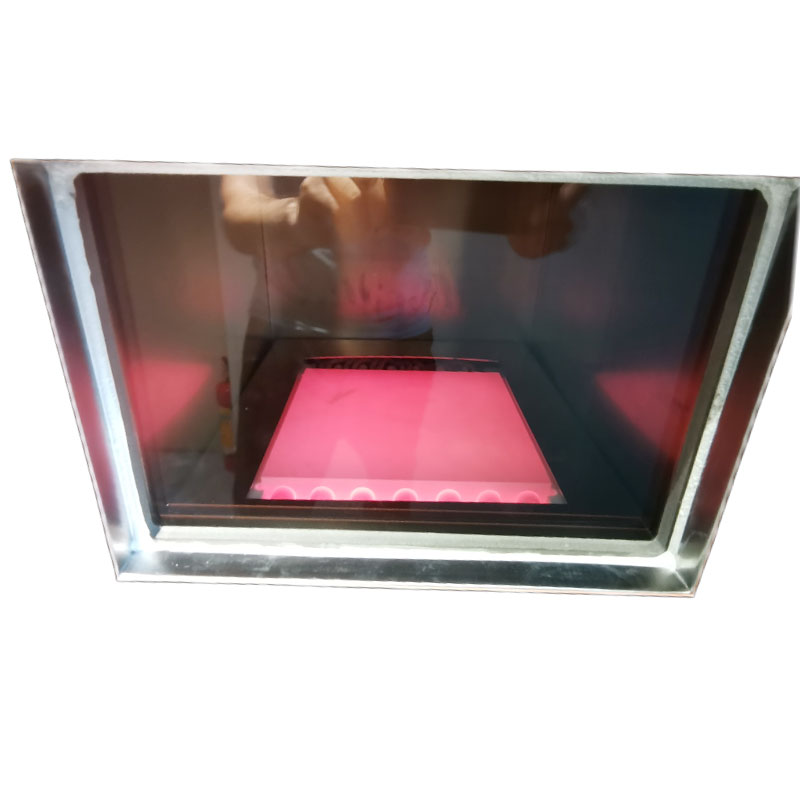
Below is a comparison table of popular imported precision hot plates for your reference when selecting precision heating plates.
| Item | QICEQUIP | SmartLab (Taiwan Imported) | IKA (Germany Imported) | Corning (USA Imported) |
|---|---|---|---|---|
| Plate Material | Aluminum Alloy | Aluminum Alloy | Cast Iron | Glass Ceramic |
| Plate Size | 15 models available, custom sizes supported | 3 models available | Custom 300*300mm | 2 models available |
| Temperature Range | Ambient ~ 850℃ | Ambient ~ 350℃ | Ambient ~300℃ | 5~550℃ |
| Temperature Uniformity | ±1~2%℃ | ±2% | Not Marked | Not Marked |
| Resolution | 0.1/1(Optional) | 0.1/1(Optional) | 1 | 1 |
| Temperature Control | PID Intelligent Digital Display Control | PID Automatic Control | Electronic Control | Knob Control |
| Sensor Control Accuracy | ±0.1℃ | ±0.1℃ | ±1K | Not Marked |
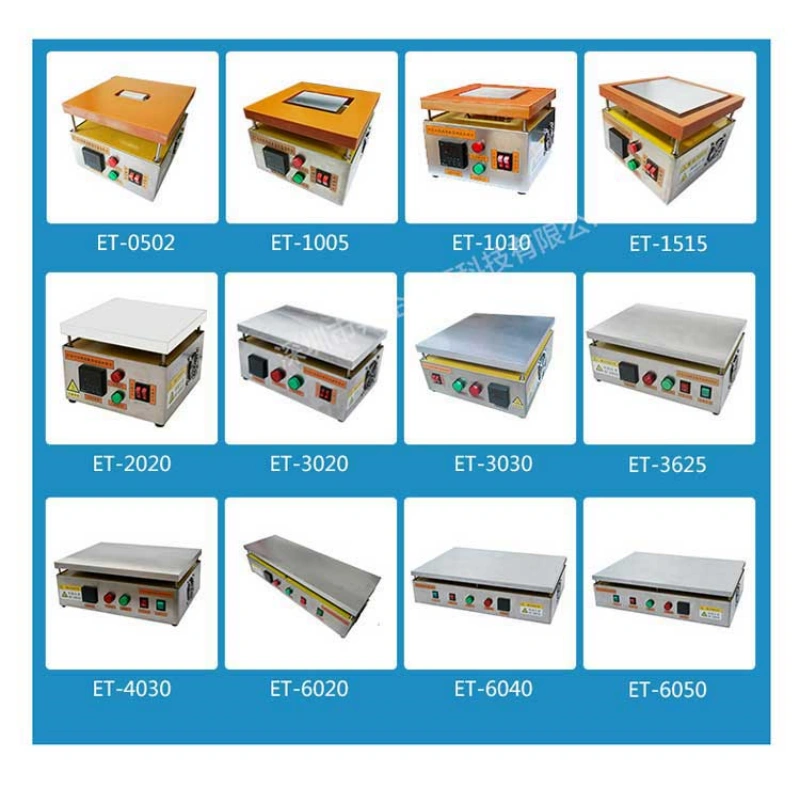
For more inquiries about hot plate products, welcome to contact us by phone.
WeChat
Scan the QR Code with WeChat