 귀하의 웹사이트 이름

Teflon Corrosion Resistant Hot Plate
The corrosion-resistant hot plate adopts an aluminum alloy heating plate coated with fluoroplastic anti-corrosion and non-stick layer. It is an electric heating product specially designed for laboratories. It is an ideal helper for sample heating, digestion, boiling, acid evaporation and acid chasing. It can meet the reagent heating requirements of chemical laboratories in physics, chemistry, biology, environmental protection, pharmaceutical, food, beverage, teaching, scientific research and other industries. Large-area hot plate models are available to meet the demand of rapid processing of large batches of samples in laboratories. It is one of the ultra-clean laboratory equipment.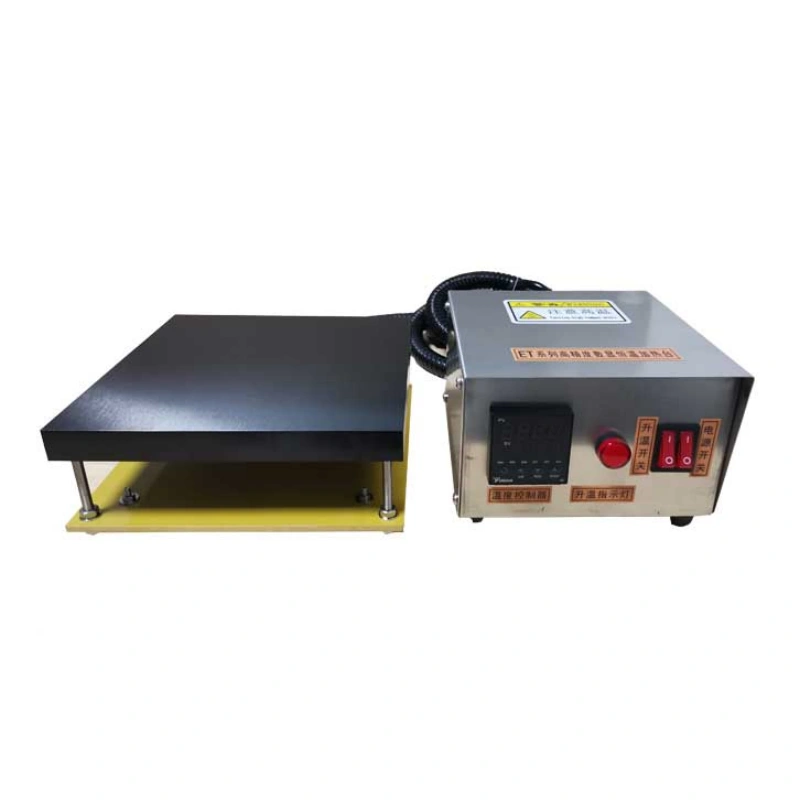
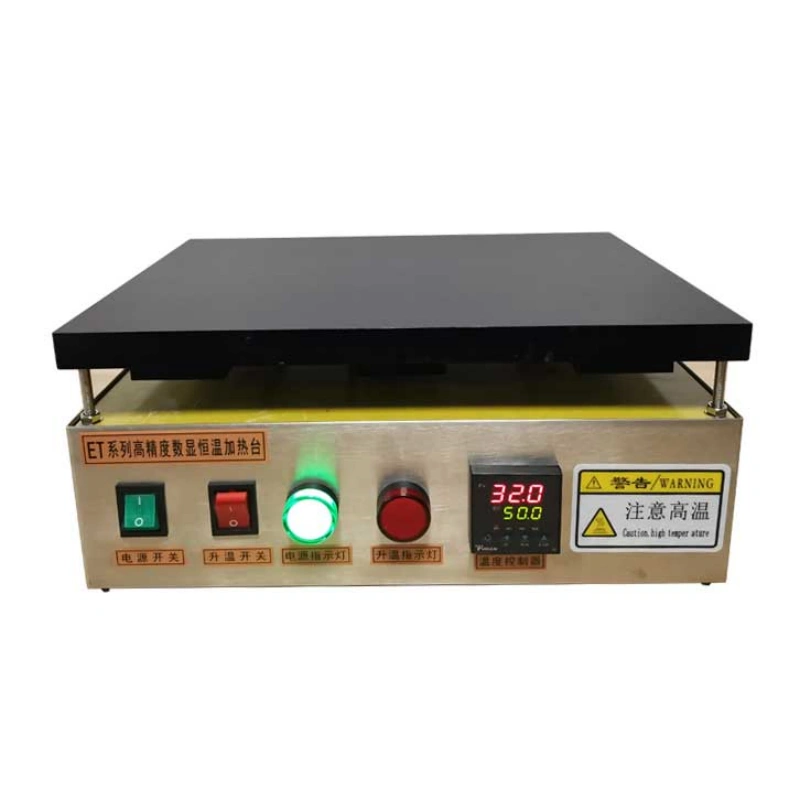
Product Features
- Large heating surface to support fast processing of large batches of samples
- Fast temperature rise and uniform heating performance
- Wide heating area for processing multiple samples simultaneously without cross-contamination
- Anti-corrosion panel, strong corrosion resistance, easy to clean, simple operation and long service life
- Split design: the control system can be placed outside the fume hood to prevent controller corrosion. Support posts can be made of PTFE material to minimize laboratory contamination caused by metal parts.
- Precise PID temperature control, supports continuous operation for more than 48 hours
Application Fields
Teflon hot plates are widely used for sample baking, drying and other temperature tests. They are essential tools for biology, genetics, medical health, environmental protection, biochemical laboratories, analytical rooms, education and scientific research. They are suitable for sample heating, constant temperature treatment, baking and digestion. Widely used in agricultural product testing, soil testing, environmental protection, tap water testing, universities, industrial and mining enterprises, research institutes and other industries.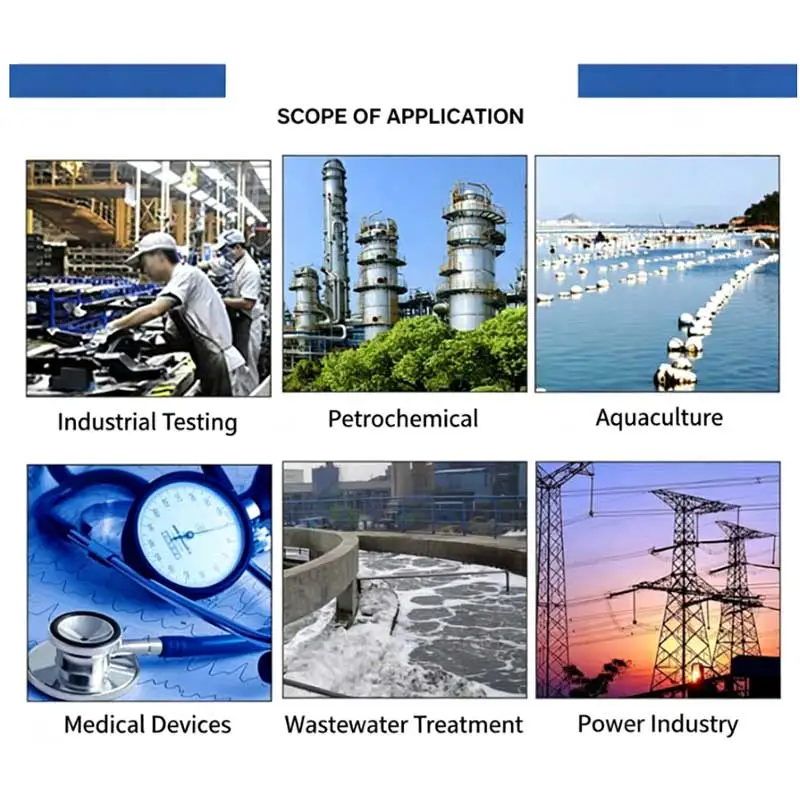
Basic Operation & Maintenance Instructions
- Clean the heating surface thoroughly and place test samples on the platform.
- Connect the power supply and turn on the switch; the indicator light will light up.
- Adjust the temperature setting, heat up slowly from low temperature to the target temperature. The equipment must be supervised during operation.
- Cut off the power supply after work, and set the temperature controller to low temperature.
- Clean the stainless steel surface only after the machine is fully cooled down.
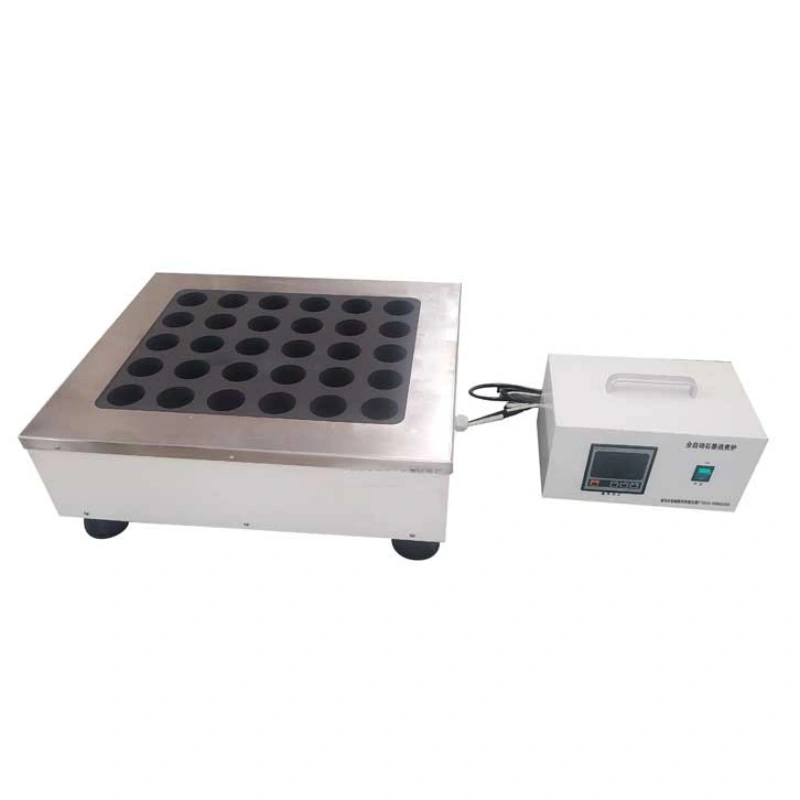
Digital PID Temperature Controller Operation
1. Temperature Setting
Press the SET key to set temperature. When pressing SET, the digital tube on the lower row flashes (the upper row displays real-time temperature), which means the instrument enters temperature setting mode. Press △ to increase the set value and ▽ to decrease it. Long press the up/down key for fast value change. Press SET again to exit setting mode and complete temperature configuration.
2. Sensor Error Calibration
If the displayed temperature is inconsistent with actual value, sensor reading can be corrected. Hold SET for 3 seconds to enter the inner menu, select parameter SC and adjust the value with △ / ▽ keys.
The calibration range is -50 ~ +50. Hold SET for 3 seconds again to save and exit. The factory default SC value is 0. Do not modify arbitrarily if readings are accurate.
3. Start PID Auto-tuning
This hot plate adapts to most control systems. Activate auto-tuning only when control performance is poor. Hold SET for 3s to enter menu, select parameter At to enable auto-tuning. The At indicator flashes during auto-tuning. The heating system fluctuates twice near the setpoint. Auto-tuning finishes when At light turns off; new PID parameters will be locked in the chip.
4. Shutdown & Cleaning
Turn off the power switch and cut off power supply after work. Clean the working surface after it is fully cooled down.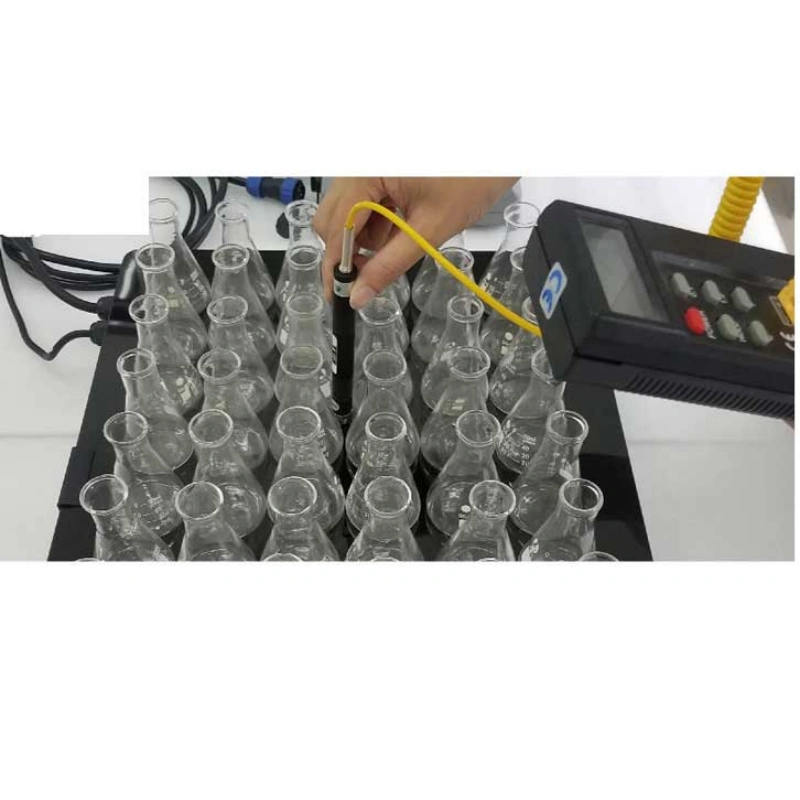
Safety Precautions
- Heat accumulation occurs after power-on. Do not touch the surface to avoid scalding. Wipe the heating surface before and after use. No water droplets, dirt, scale or foreign residues are allowed on the plate.
- Place test tubes or vessels on the platform before heating to prevent burst caused by thermal shock. Long-time dry burning is forbidden, otherwise the internal heating wire may burn out.
Frequently Asked Questions (FAQ)
Q1: What are the core advantages of Teflon corrosion-resistant hot plate compared with ordinary aluminum alloy hot plate?
A: The Teflon coating on the plate surface resists strong acids, alkalis and chemical corrosion. It will not be damaged by acid vapor in digestion experiments. The non-stick coating allows easy wiping of sample residues and prevents metal ion contamination of samples. Ordinary bare aluminum plates cannot resist acid vapor and are not suitable for acid chasing and digestion tests.
Q2: Why should the controller of split-type Teflon hot plate be placed outside the fume hood?
A: Acid vapor generated during digestion experiments will corrode electronic components inside the temperature controller. The split structure keeps the controller away from corrosive gas and extends service life. The heating plate and controller can be replaced separately if one part fails, no need to replace the whole machine.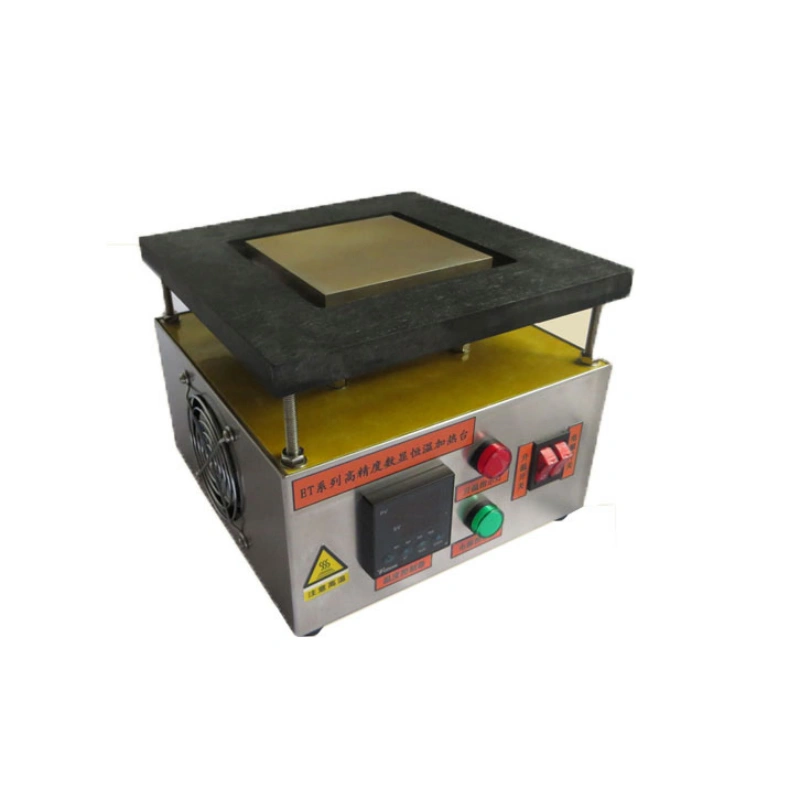
Q3: Can the Teflon hot plate run dry for a long time?
A: Long-time dry burning is strictly prohibited. Continuous high-temperature heating without samples will damage the internal heating wire and accelerate aging, peeling and carbonization of Teflon coating, permanently damaging the anti-corrosion layer.
Q4: How to clean the Teflon heating surface after digestion experiments?
A: Wait until the plate cools completely to room temperature. Use soft cloth with neutral detergent for cleaning. Never use steel wool or metal scrapers to avoid scratching the Teflon coating. Dry thoroughly before next use.
Q5: When to activate PID auto-tuning AT function? Does it need to run for every experiment?
A: No need to run auto-tuning for every test. Factory preset PID parameters fit most experimental conditions. Only enable AT when temperature fluctuates severely and constant temperature cannot be maintained. Frequent auto-tuning will cause temperature oscillation of samples.
WeChat
Scan the QR Code with WeChat