 Your Website Name

Heating plates are widely used in laboratories, industry and scientific research fields, and their performance is directly determined by the material. This article focuses on four common heating plate materials—aluminum, copper, stainless steel and ceramic—and makes a comprehensive comparative analysis from four core dimensions: thermal conduction, thermal expansion and deformation, working temperature range and application scope, so as to provide a reference for material selection in different scenarios.
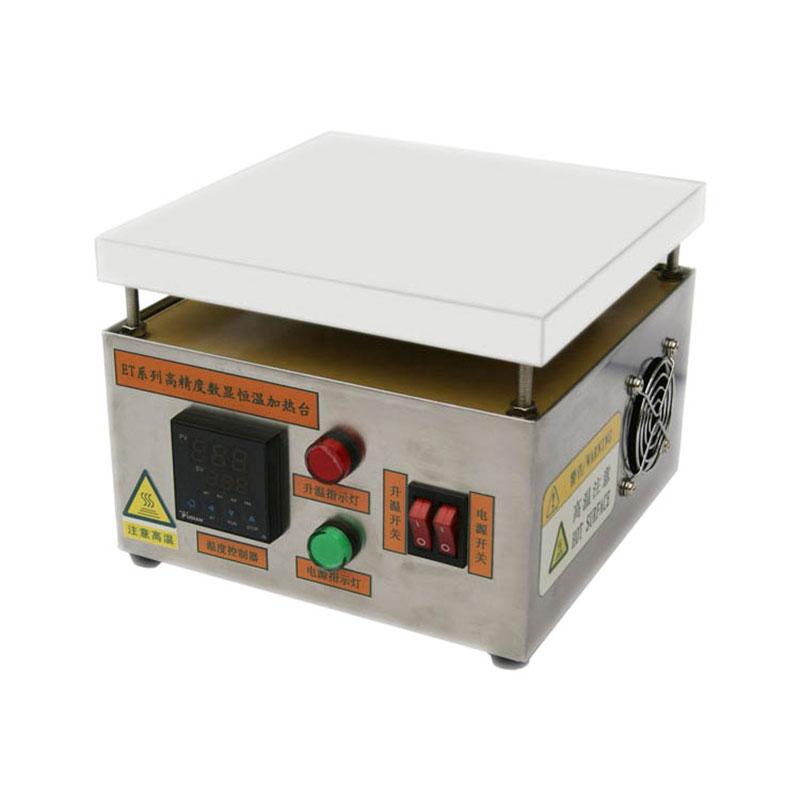
Aluminum: Excellent heat conduction, fast heating speed and uniform surface temperature.
Copper: Optimal thermal conductivity, fastest heat transfer and best temperature uniformity.
Stainless Steel: Poor heat conduction, slow heating and uneven heat distribution.
Ceramic: Stable heat conduction under medium and high temperature, low efficiency at low temperature.
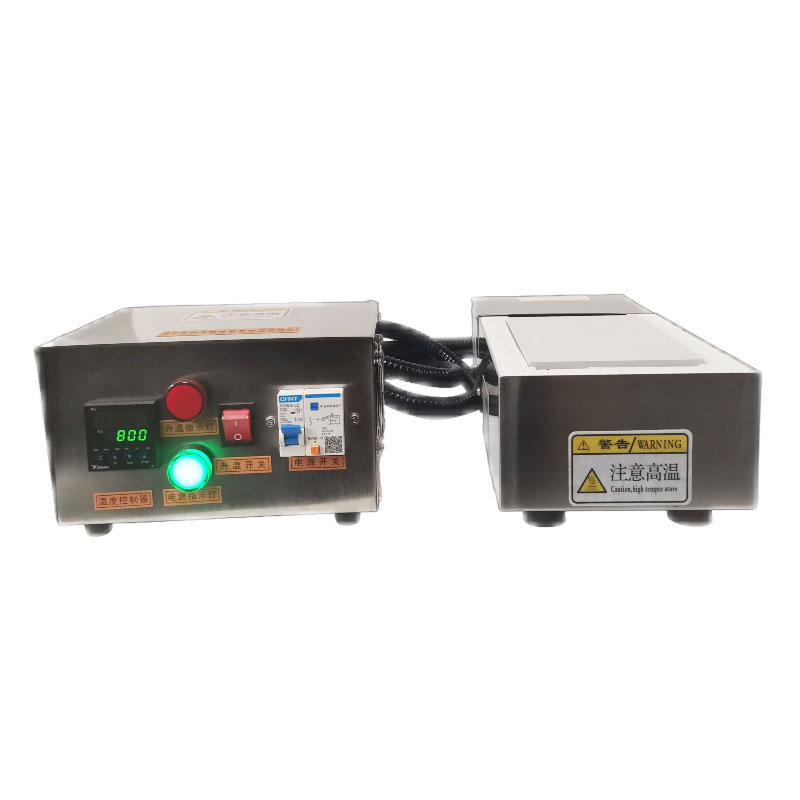
Aluminum: Large thermal expansion, easy to deform and warp under high temperature.
Copper: Relatively large deformation, obvious thermal expansion after frequent heating.
Stainless Steel: Small expansion volume, slight deformation and stable structure.
Ceramic: Minimal thermal expansion, almost no deformation with outstanding stability.
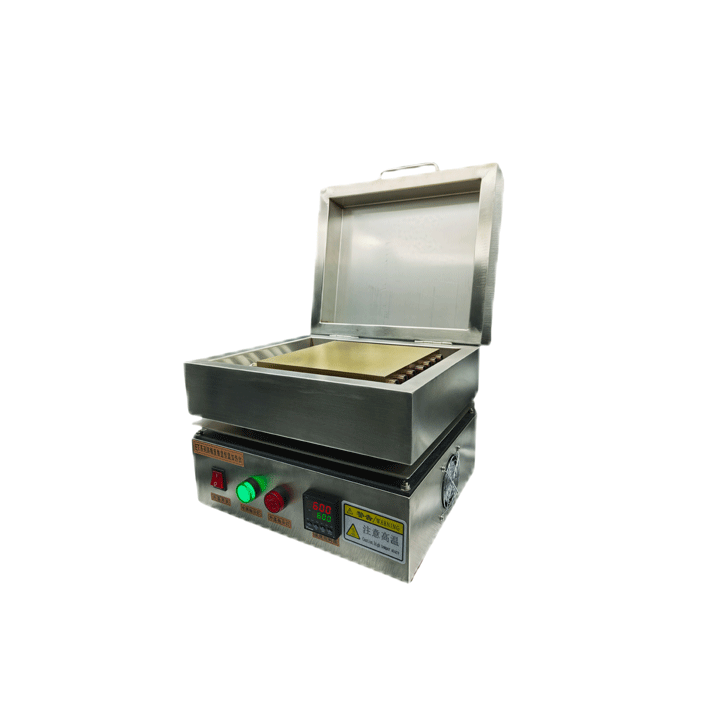
Aluminum: Max working temp ≤250°C.
Copper: Max working temp ≤300°C.
Stainless Steel: Max working temp ≤450°C.
Ceramic: Applicable temp 600°C – 1400°C, high temperature dedicated.
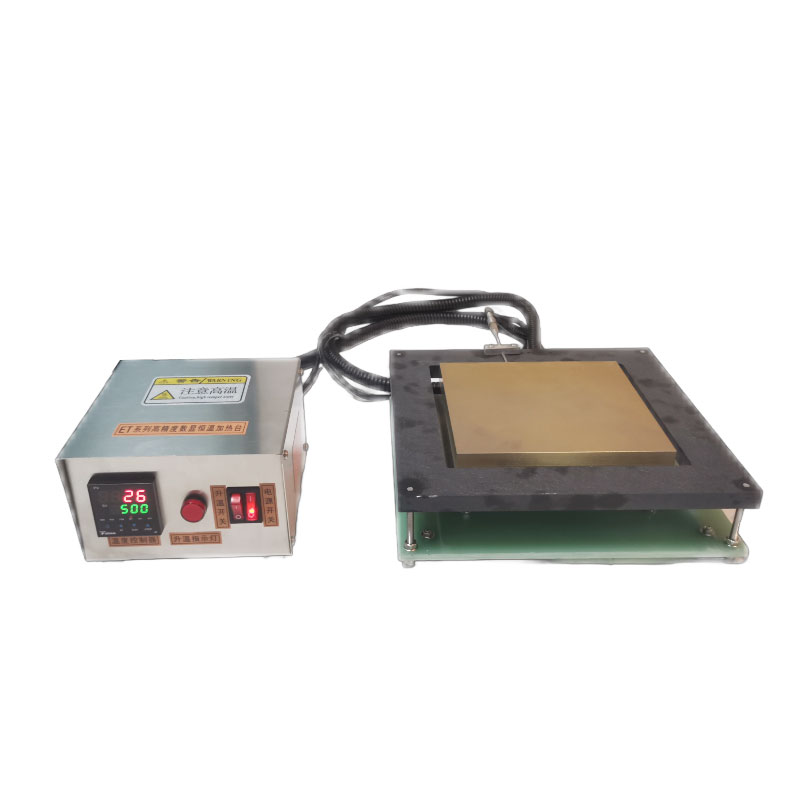
Aluminum: Lab low temperature heating, drying machine, ordinary constant temperature stage.
Copper: Precision experiment, high accuracy constant temperature equipment, sample precise heating.
Stainless Steel: Industrial heating, humid & corrosive environment, durable heating facilities.
Ceramic: High temperature sintering, melting treatment, vacuum heating, scientific research high temperature test.
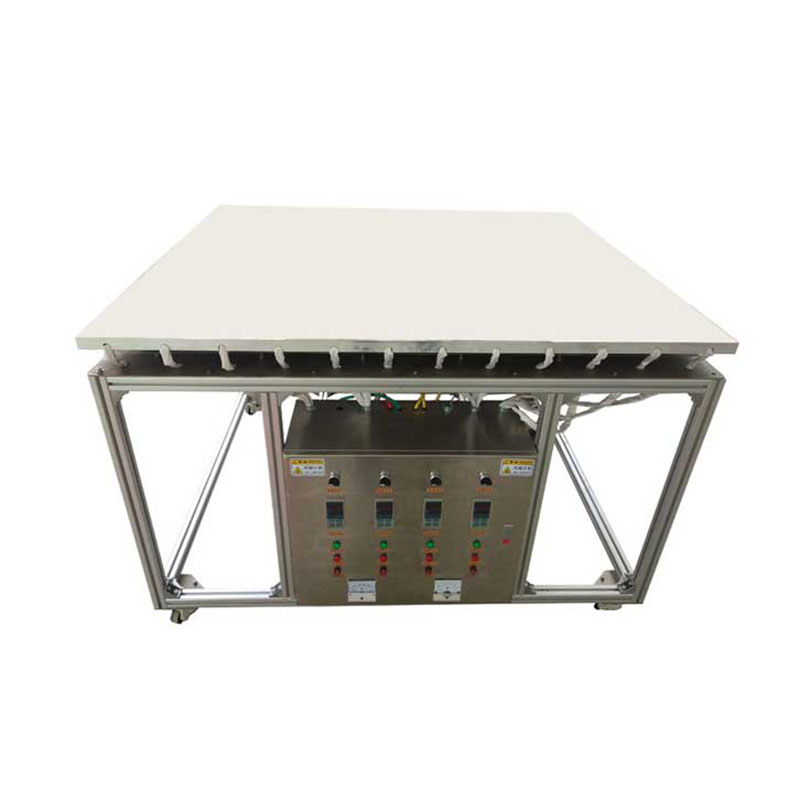
Heating Plate Material Comparison (Aluminum, Copper, Stainless Steel, Ceramic)
|
Comparison Items
|
Aluminum
|
Copper
|
Stainless Steel
|
Ceramic
|
|---|---|---|---|---|
|
Thermal Conductivity
|
Excellent, fast and uniform heating
|
Best, highest thermal efficiency
|
Poor, slow heat transfer
|
Good, stable at medium/high temp
|
|
Thermal Expansion & Deformation
|
Large, easy to warp at high temp
|
Relatively large, obvious deformation
|
Small, minimal deformation
|
Extremely small, almost no deformation
|
|
Temperature Range
|
≤ 350℃
|
≤ 500℃
|
≤ 600℃
|
600 – 1400℃
|
|
Surface Hardness
|
Soft, easy to scratch
|
Relatively soft
|
High, wear-resistant
|
Very high, scratch-resistant
|
|
Corrosion Resistance
|
Fair, easy to oxidize
|
Prone to oxidation and tarnish
|
High, waterproof and rustproof
|
Excellent, acid and alkali resistant
|
|
Temperature Accuracy
|
High, fast response
|
Highest, very stable
|
Medium, slow response
|
Stable at ultra-high temperature
|
|
Typical Applications
|
Low‑temp lab heating, drying
|
Precision experiments, high‑accuracy control
|
Industrial heating, humid environments
|
High‑temp sintering, melting, vacuum use
|
|
Advantages & Disadvantages
|
Cost-effective, easy to deform
|
Best thermal performance, high cost
|
Durable, low thermal conductivity
|
High temp resistant, slow heating at low temp
|
