 Nom de votre site Web

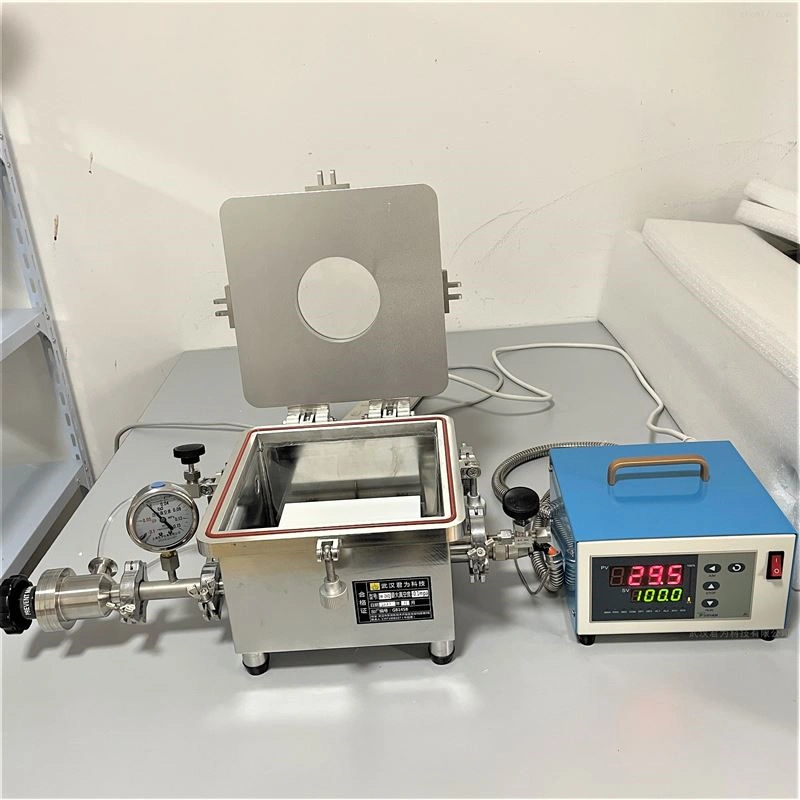
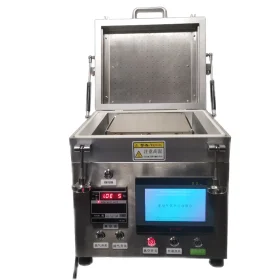
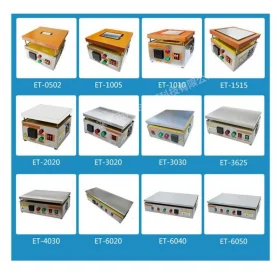
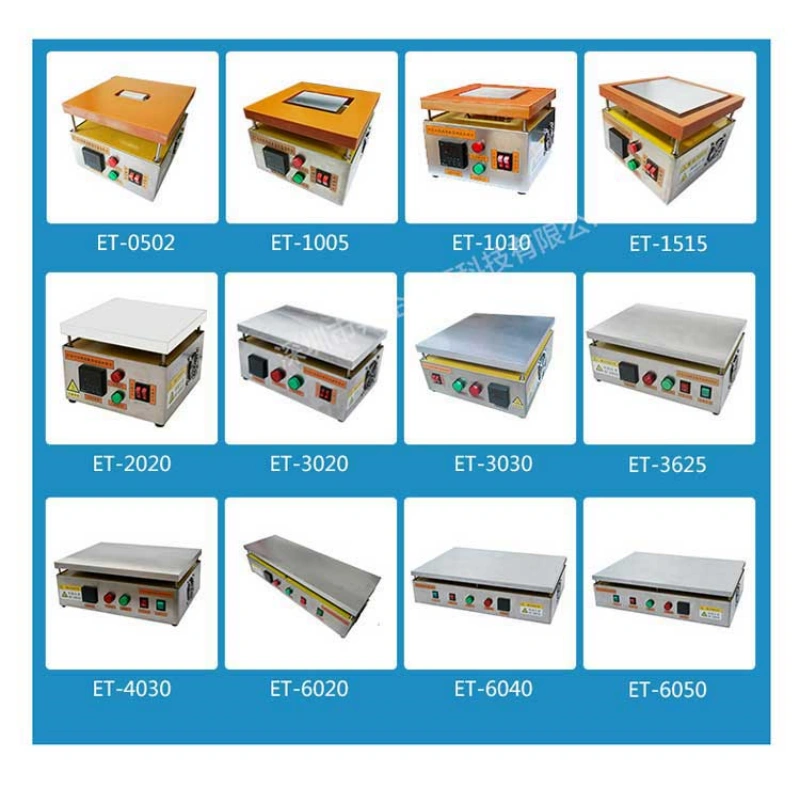
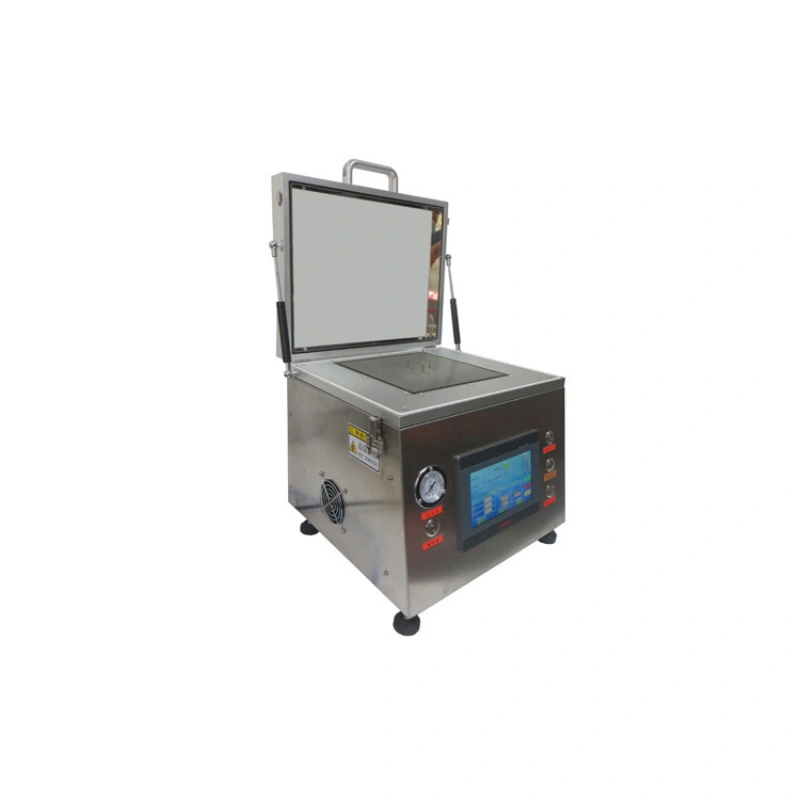
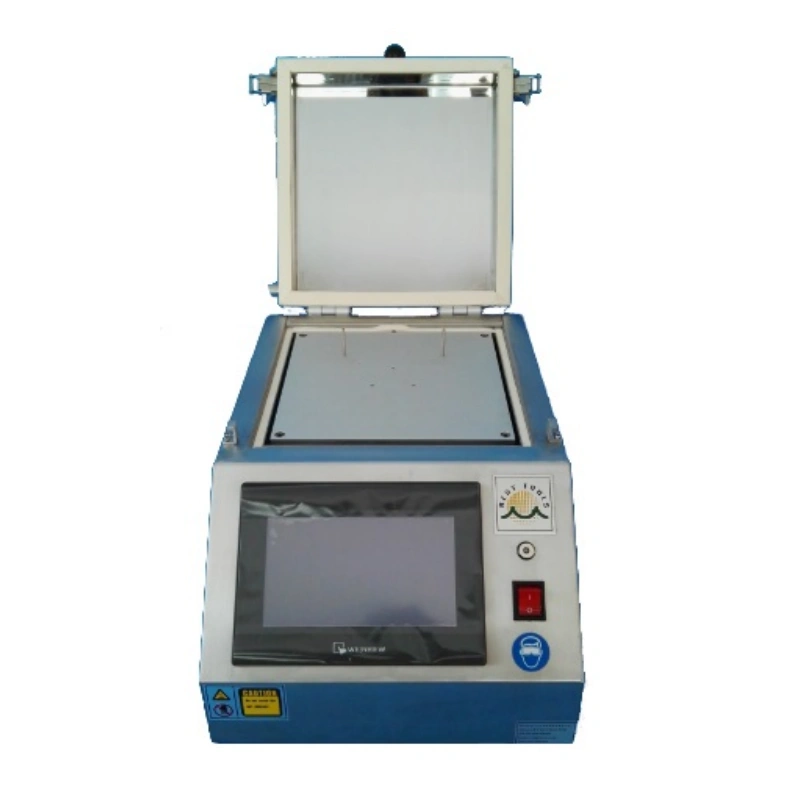
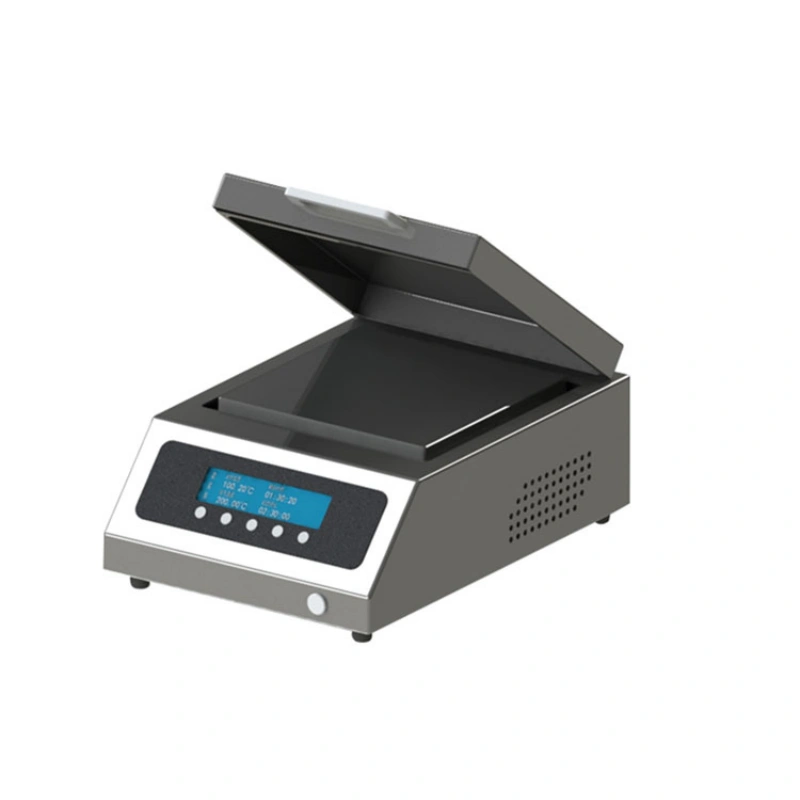
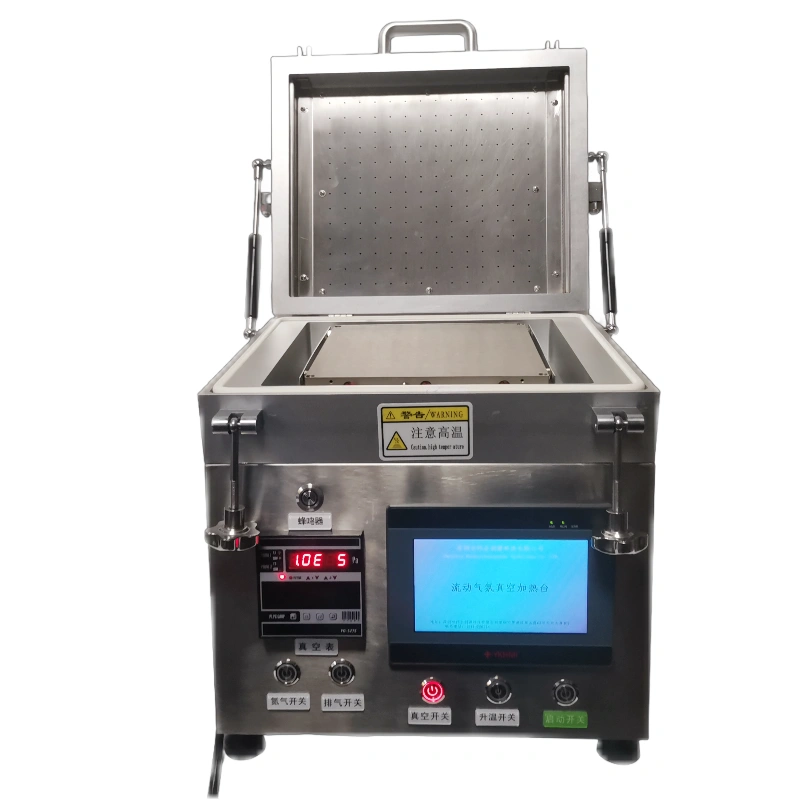
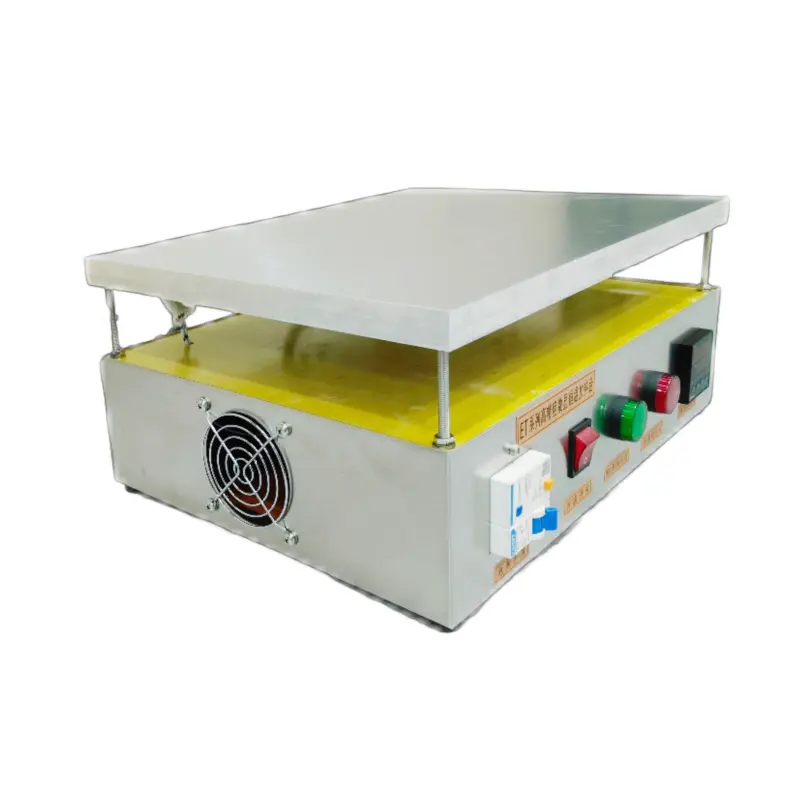
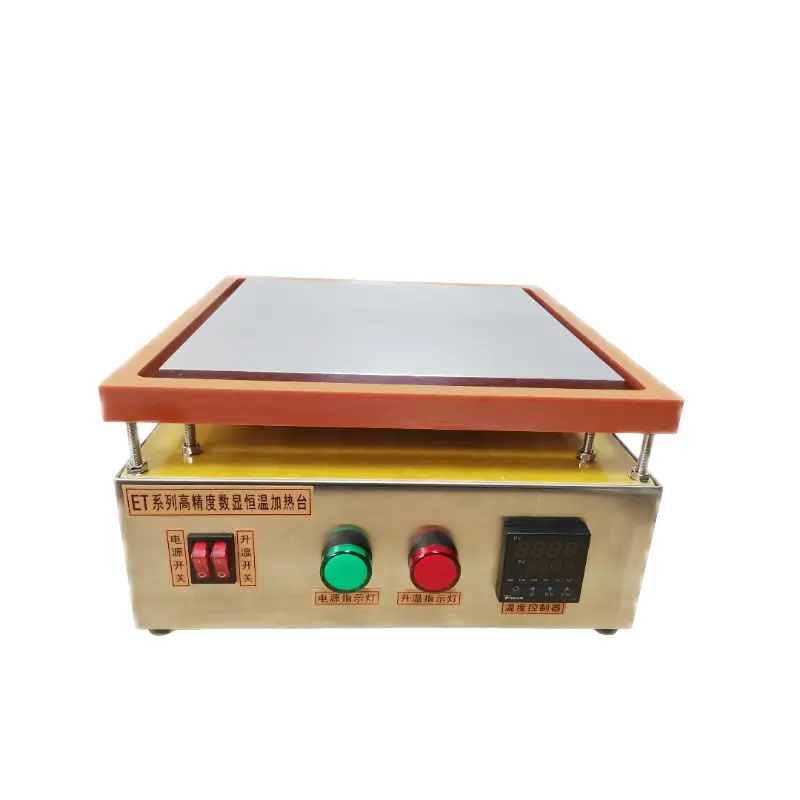
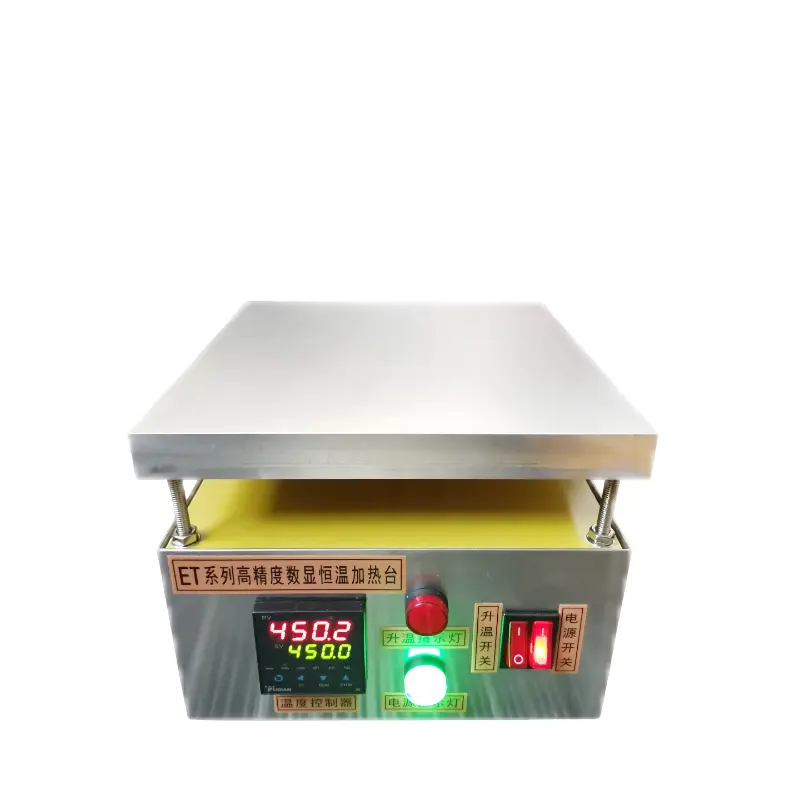
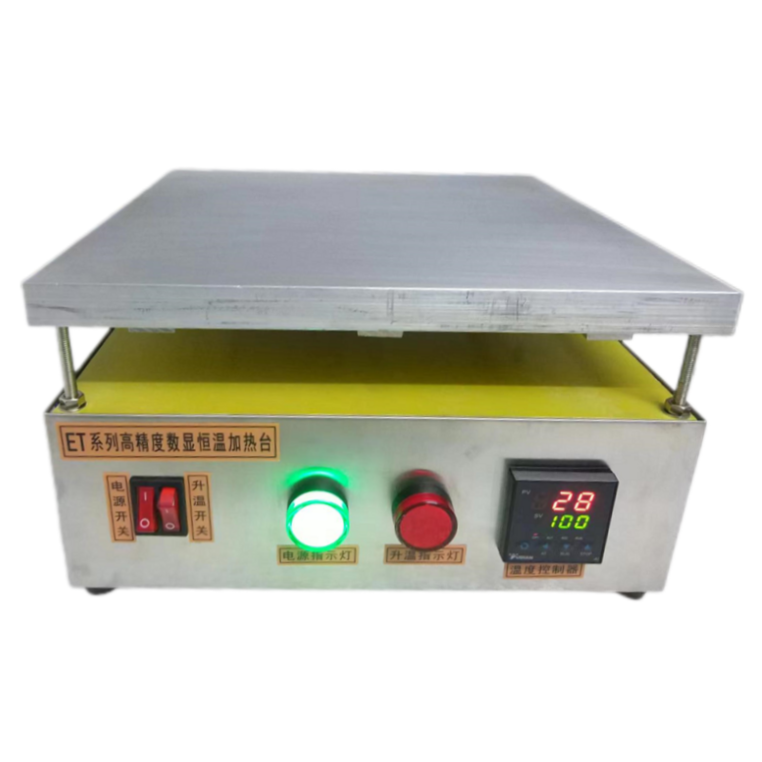
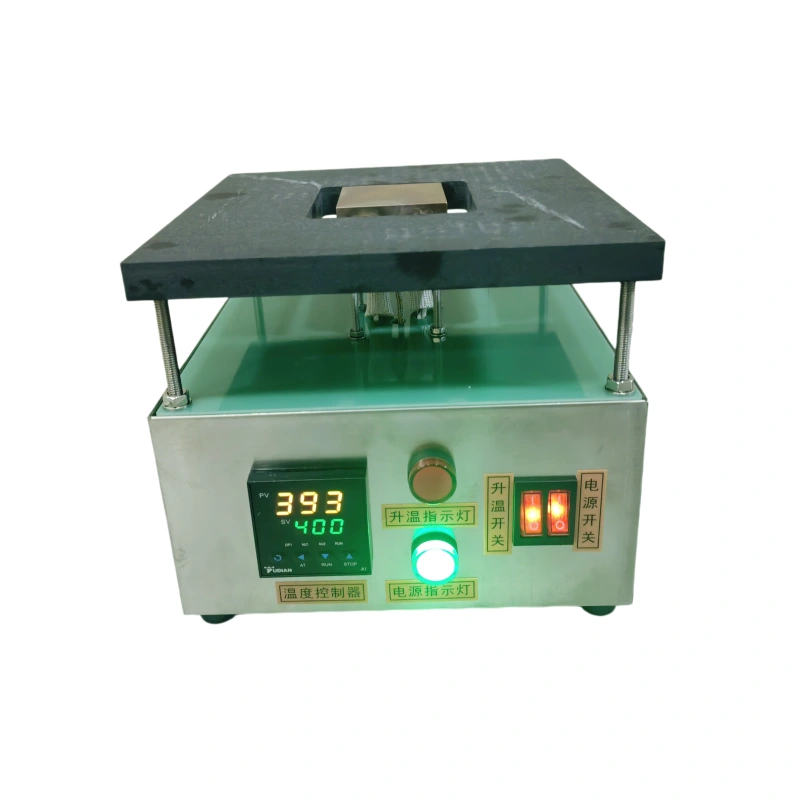
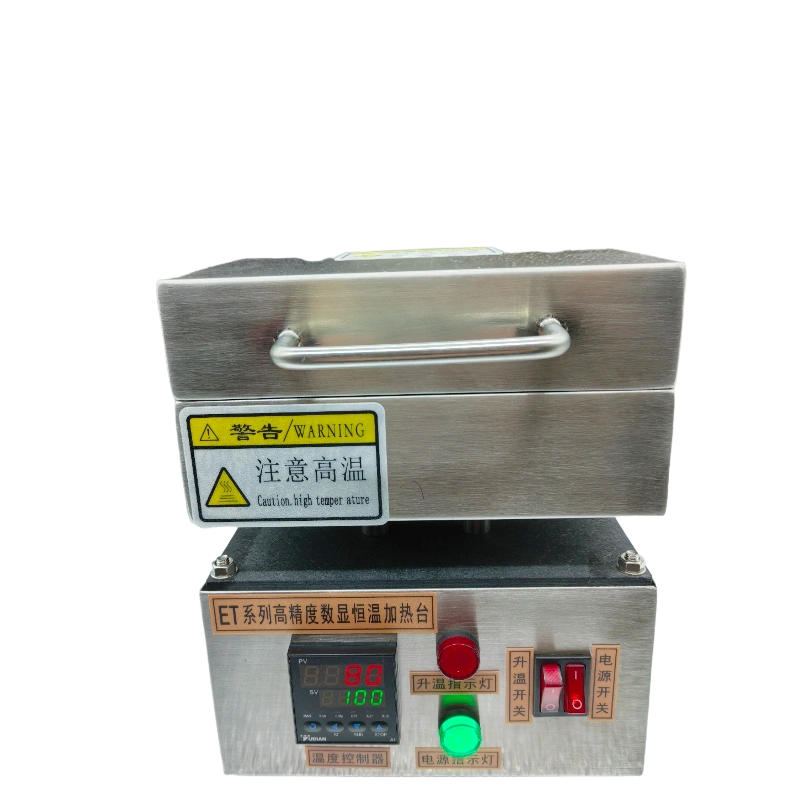
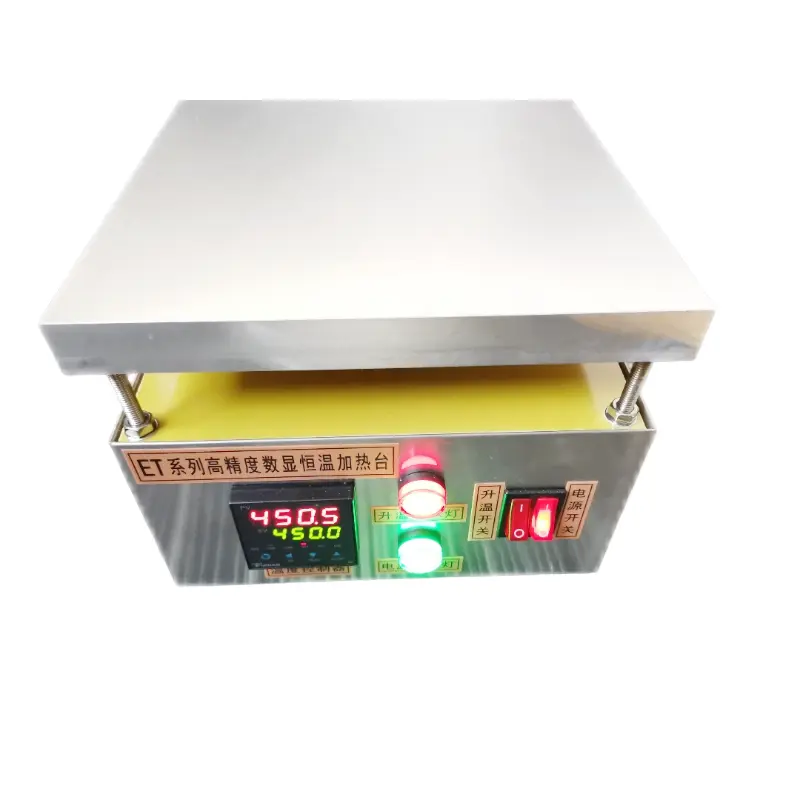
The heating plate of the vacuum hot press sintering furnace is treated by vacuum conditioning and surface electroplating, so it will not deform or rust during long-term continuous operation. The heating tube adopts embedded stainless steel heating wire, featuring anti-oxidation, impact resistance, high safety, fast temperature rise and long service life. The pressing force between the upper and lower plates is optional from 50KG to 5000KG.
Application fields: IGBT packaging, LED eutectic soldering, solder paste processes, high-clean solder sheet bonding, laser diode packaging, hybrid integrated circuit packaging, metal housing & lid sealing, MEMS and vacuum packaging. The void rate of vacuum hot press eutectic bonding can be controlled below 3%. It is ideal for process development and mass production from small batch to high volume, widely adopted by military enterprises, research institutes, universities and aerospace industries for high-end R&D and manufacturing.
Vacuum Hot Press Sintering Furnace
1. Core Product Advantages
- Four-in-one function: hot-press sintering, pressureless sintering, vacuum sintering and atmosphere-protected sintering. High-quality molybdenum disilicide heating elements; max temperature up to 600℃ under oxidizing atmosphere, and long-term working temperature up to 600℃ under vacuum or protective atmosphere.
- Small footprint, low labor intensity, low test cost, simple operation and convenient maintenance.
- Fast sintering cycle: heating from room temperature to 600℃ takes only 30~60 minutes. Cooling speed is adjustable, which shortens single-batch cycle and reduces sample preparation cost.
- Hot-press sintering inhibits grain growth, improves sample densification and realizes ordered crystal arrangement to obtain high-quality sintered bodies.
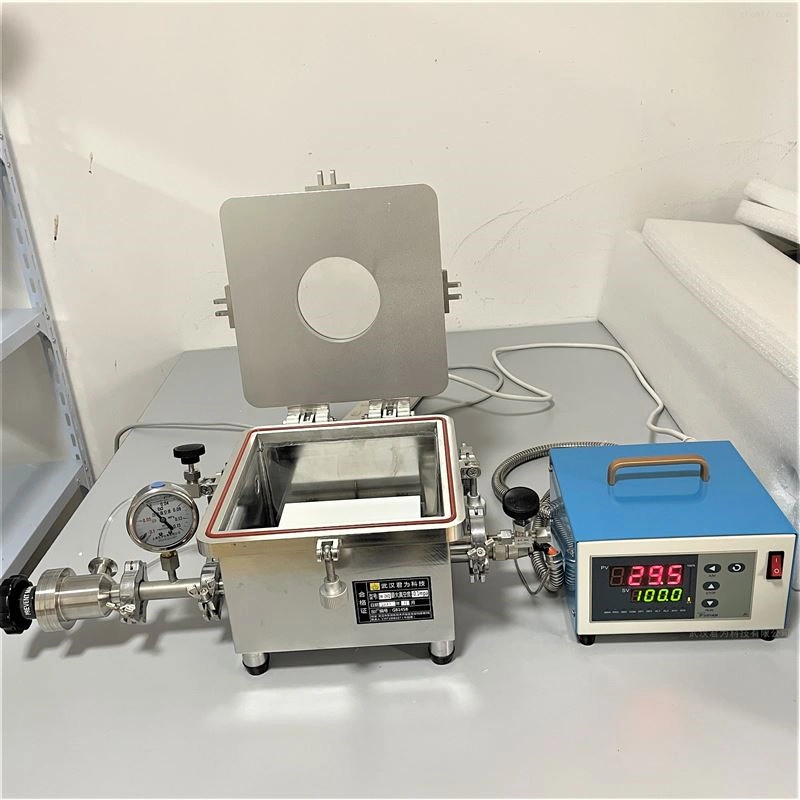
2. Main Technical Specifications
| Item | Parameter |
|---|---|
| Maximum Sintering Temperature | 600℃ |
| Long-term Temperature (Oxidizing Atmosphere) | 600℃ |
| Long-term Hot-press Temperature (Vacuum Atmosphere) | 600℃ |
| Chamber Working Size | 200 × 200 mm |
| Temperature Uniformity | ±6℃ |
| Temperature Stability | ±1℃ |
| Heating Rate | 1~10℃/min |
| Heating Element | Electric resistance wire |
| Temperature Sensor | Type K thermocouple |
| Temperature Controller | SCR control, 30-segment program, auto-tuning PID, bumpless manual/auto switch, over-temperature alarm, temperature compensation & correction, password protection; dual display for set & actual temperature with heating power bar graph |
| Furnace Body Dimension | 900(L) × 700(W) × 1500(H) mm |
| Controller Cabinet Size | 700 × 700 × 1500 mm |
| Power Supply | AC220V, 9.6KW |
3. Hydraulic Press Parameters
- Maximum pressure: 100 MPa
- Pressure display: digital readout
- Ram stroke: 200 mm
- Ram moving speed: manual control
- Ram diameter: Φ50 (optional)
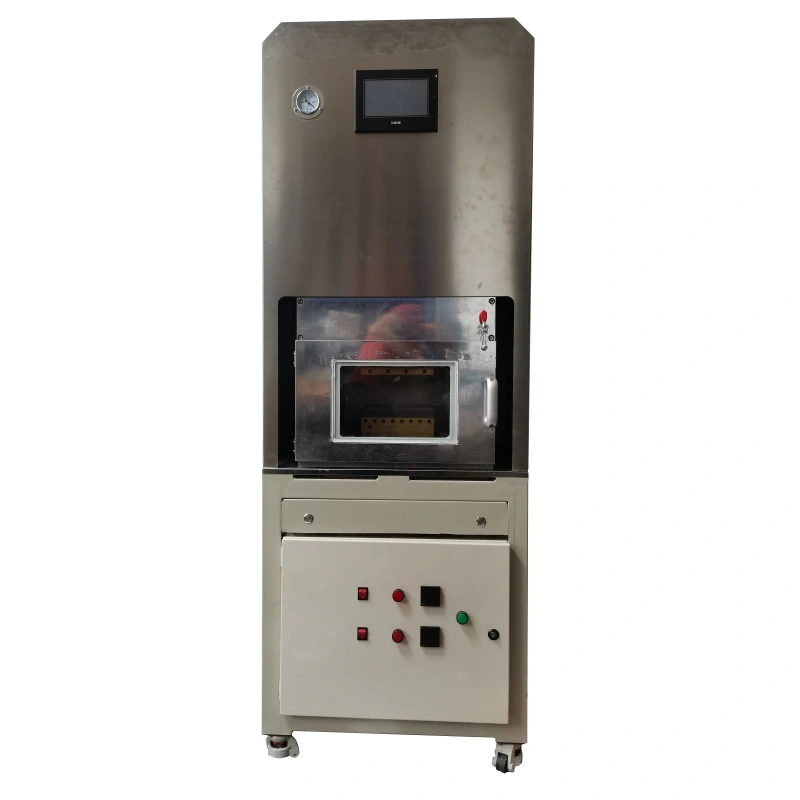
- Column spacing: 600 mm
4. Vacuum System Performance
- Pumping system: two-stage mechanical vacuum pump
- Ultimate vacuum: 6.67×10⁻¹ Pa
- Working vacuum: -0.098 MPa
- Vacuum measurement: vacuum gauge
- Connection: vacuum bellows
- Max filling pressure: 0.12 MPa
- Working condition: vacuum or inert protective gas atmosphere
5. Furnace Body Structure
Double-layer carbon steel top cover with circulating water cooling, horizontal door opening, opening diameter Φ200 mm.
The atmosphere sintering furnace adopts molybdenum-alloy doped heating wire, double-shell structure and 30-segment program temperature control system with phase-shift triggering and SCR regulation. The chamber lining is made of polycrystalline alumina fiber. Air cooling between double shells ensures fast heating & cooling. It can be pre-evacuated and filled with various inert gases. Features include uniform temperature field, low surface shell temperature, fast temperature ramp and energy saving, which makes it ideal for atmosphere sintering and reduction experiments in universities, research institutes and industrial enterprises.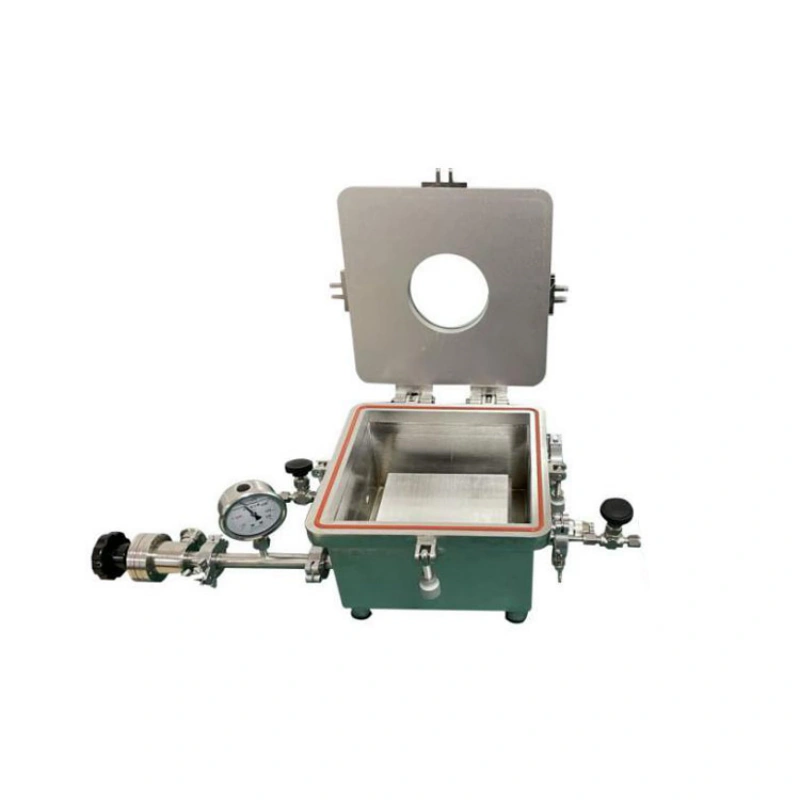
6. Six Major Merits of Vacuum Sintering
- Eliminate harmful components (water, oxygen, nitrogen) in atmosphere. A vacuum level of 133 Pa is equivalent to a dew point of -40℃, which is much easier to achieve than ultra-dry electrolytic hydrogen.
- Suitable for active metals and materials prone to decarburization or carburization where reducing/inert gas protection cannot be applied.
- Vacuum improves liquid wetting on solid phase, promotes volume shrinkage and optimizes alloy microstructure.
- Remove impurities such as Si, Al, Mg, Ca and their oxides to purify sintered materials.
- Remove adsorbed gas, residual pore gas and reaction products to accelerate densification in later sintering stage. Vacuum-sintered cemented carbide has far lower porosity than hydrogen-sintered parts.
- Vacuum sintering temperature is 100~150℃ lower than gas-protected sintering, cutting energy consumption and restraining abnormal grain growth.