 Nom de votre site Web

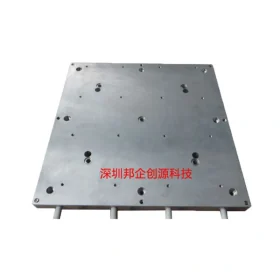
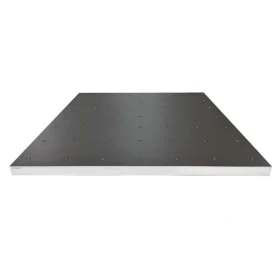
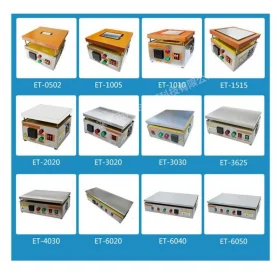
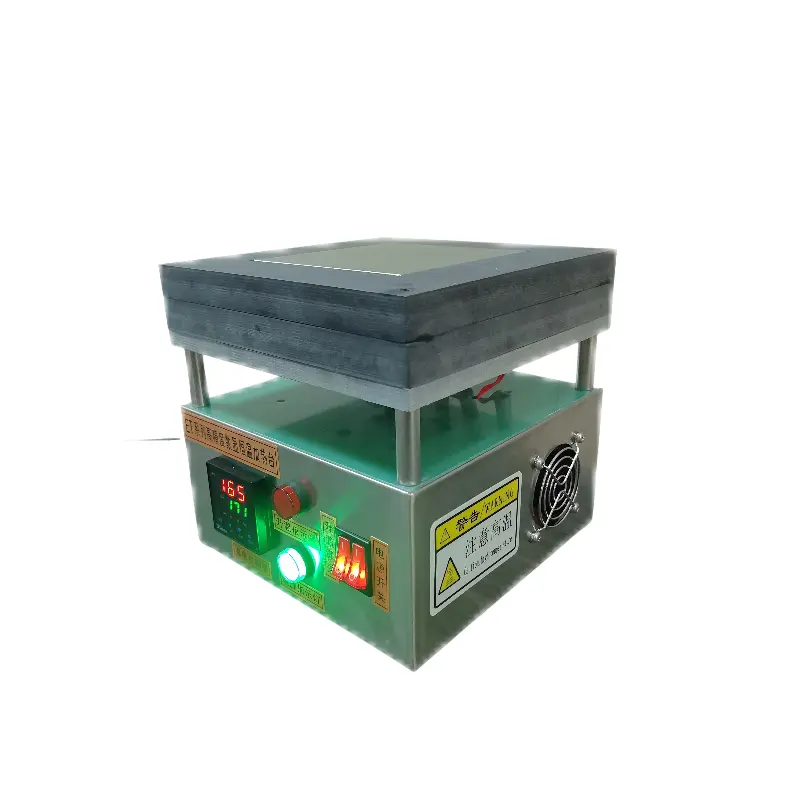
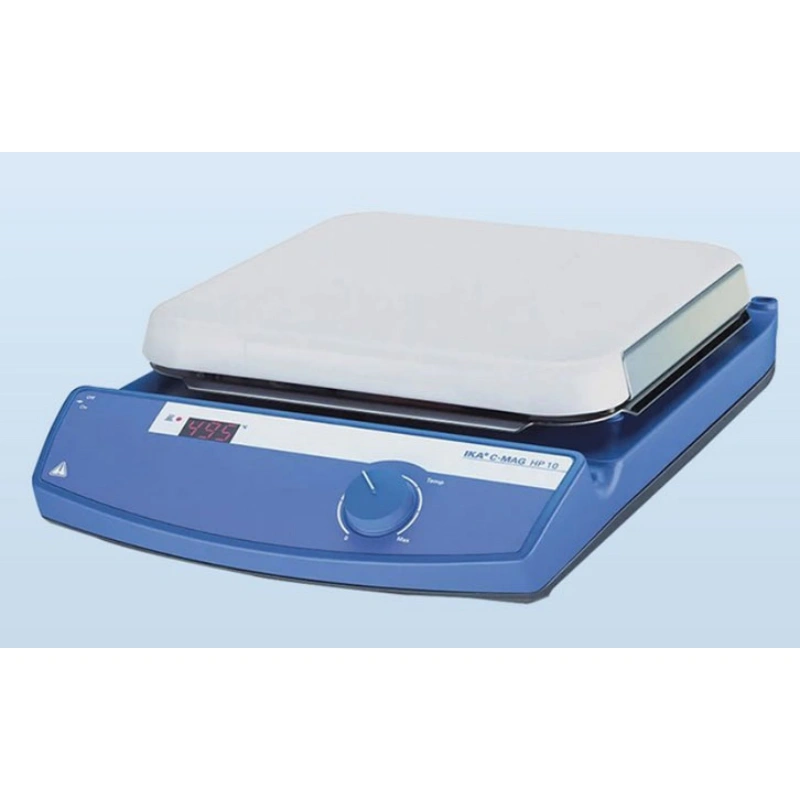
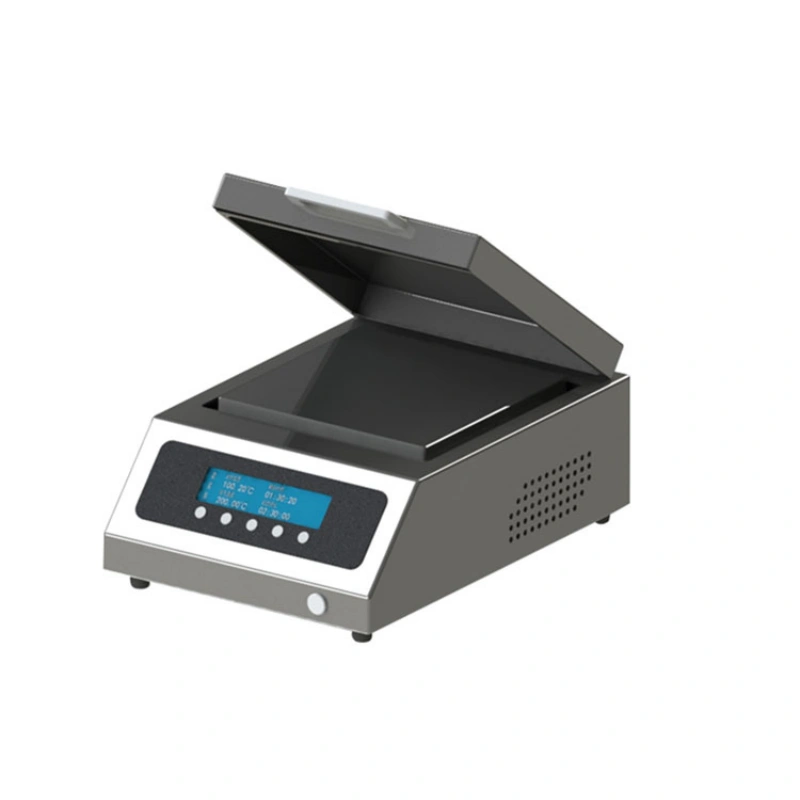
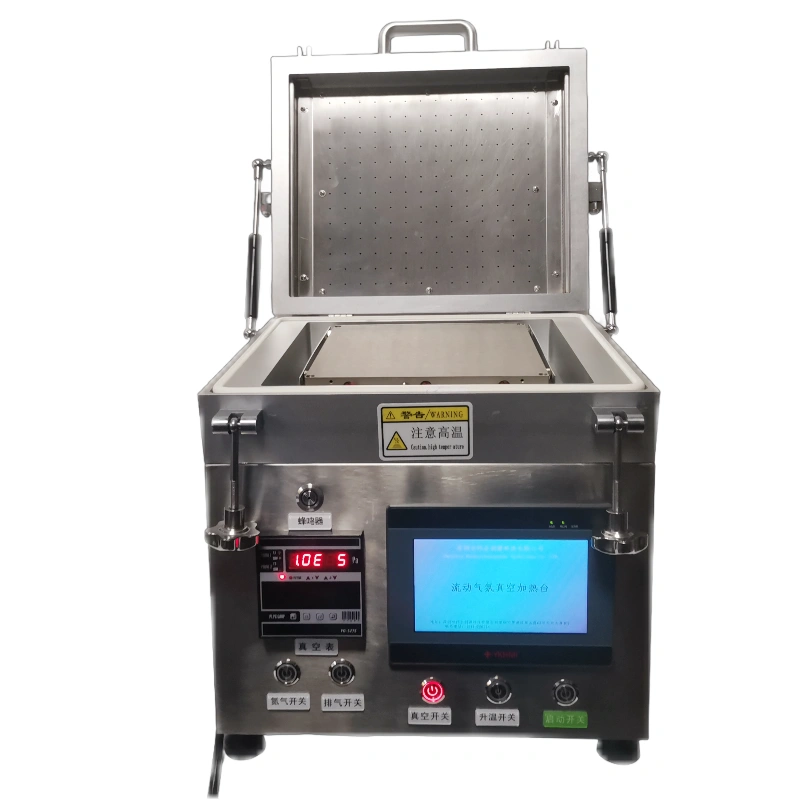
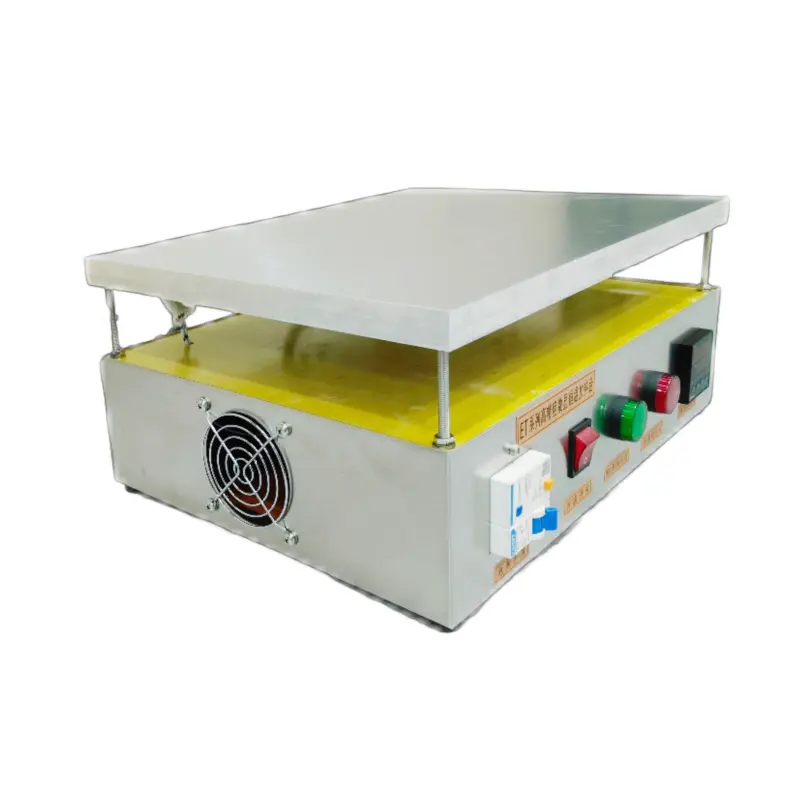
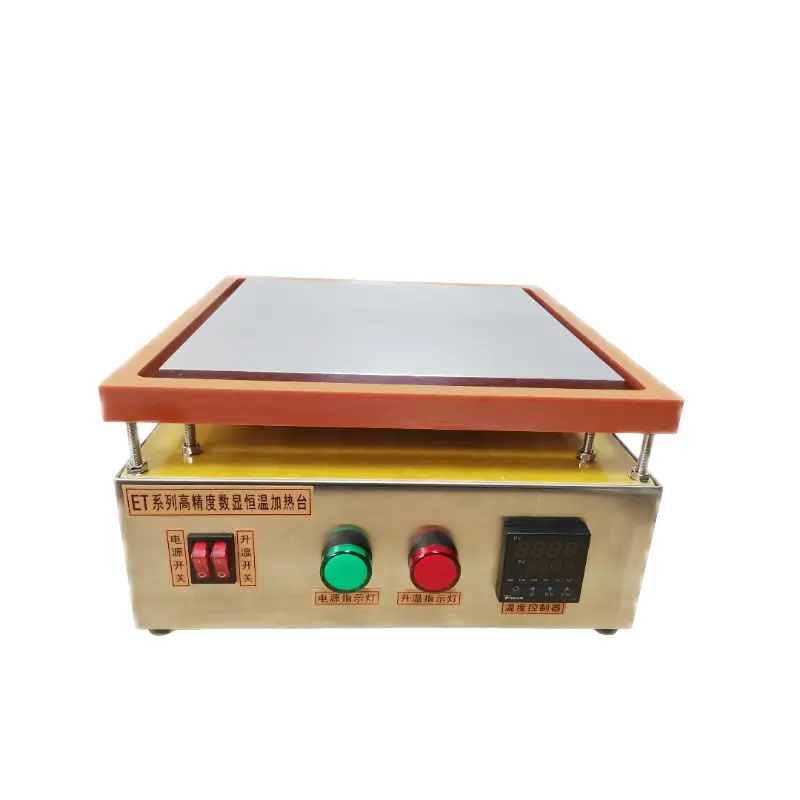
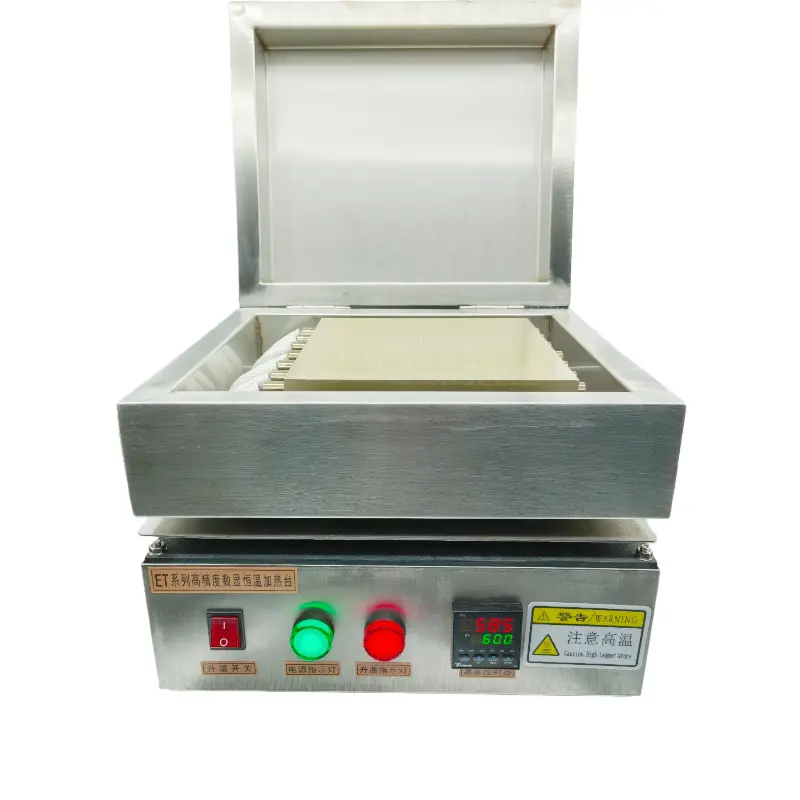
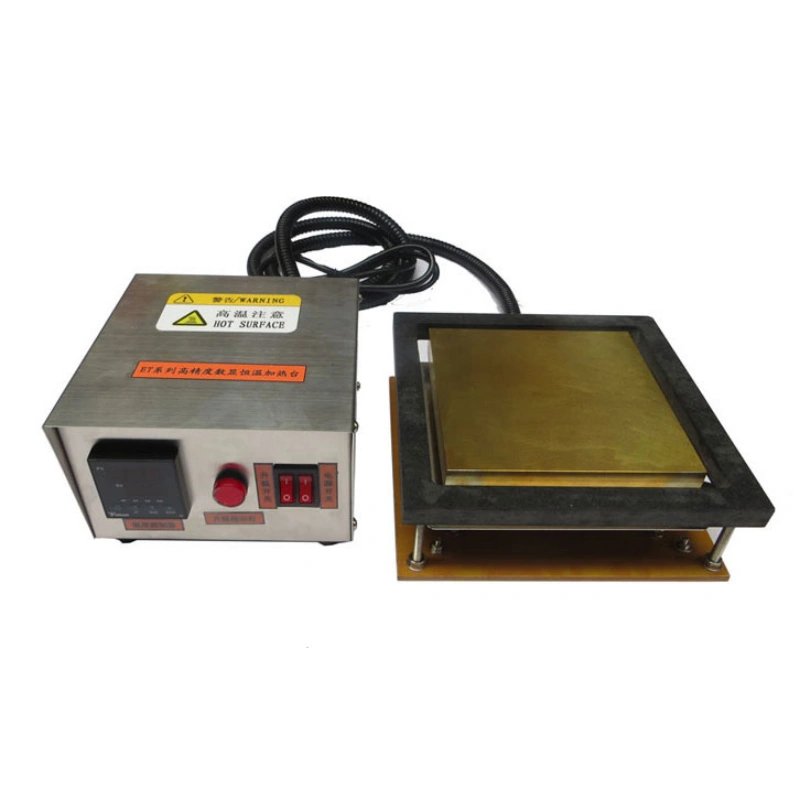
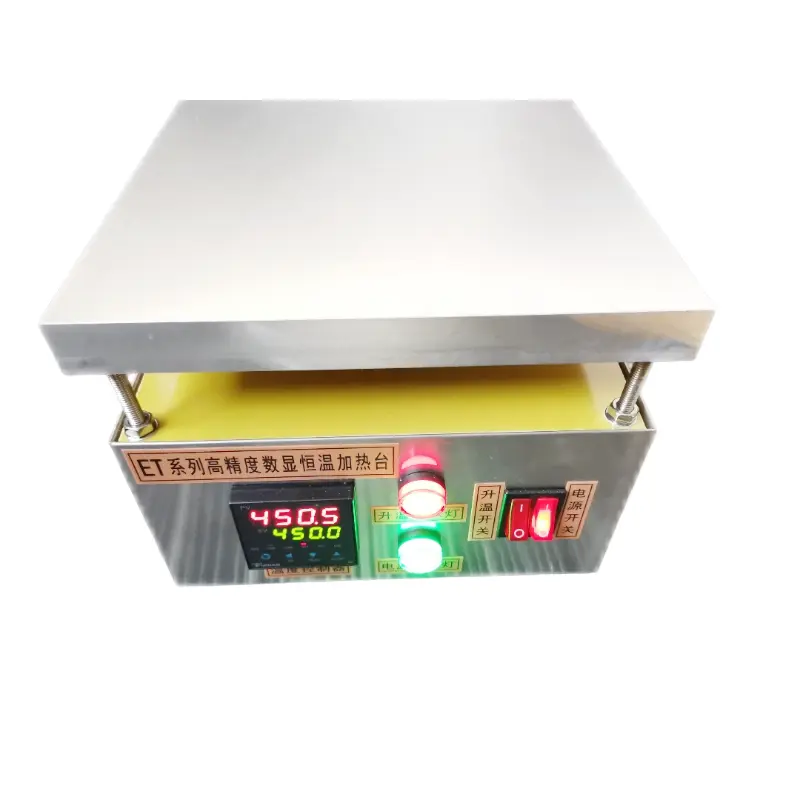
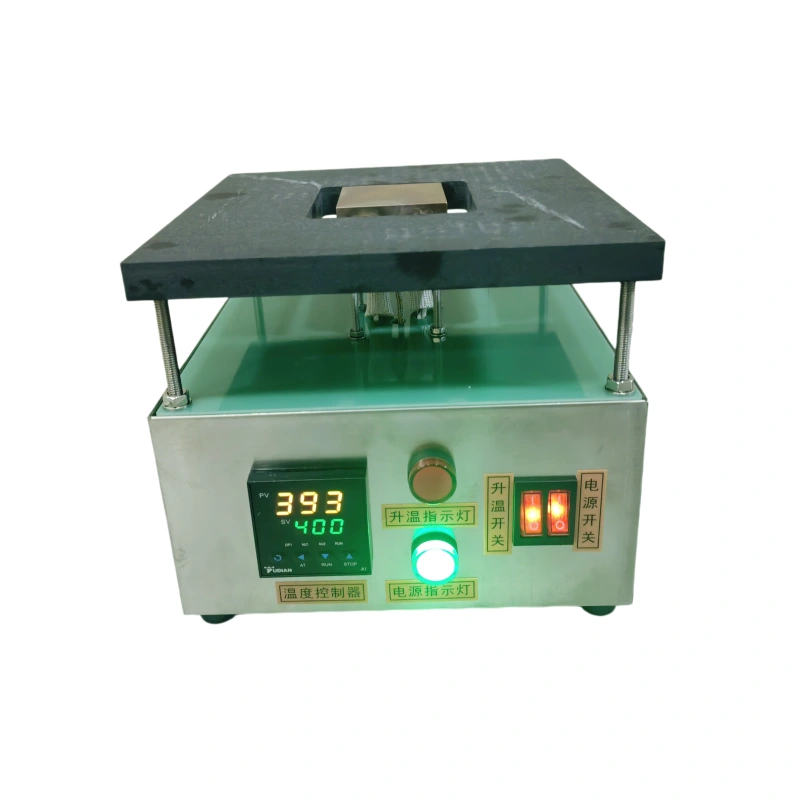
Aluminum Alloy Cast Heating Plate
After precision machining, aluminum alloy heating plates can closely fit workpieces to be heated. The standard operating temperature ranges from 150℃ to 450℃. Widely matched with plastic machinery, molds, cable equipment, chemical, rubber, petroleum and other industrial facilities.
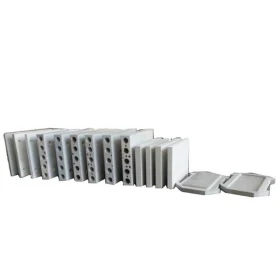
It takes tubular electric heating elements as heat sources, bent into designated shapes and centrifugally cast with premium casting aluminum into various heater forms: round, flat plate, right-angle, air-cooled and water-cooled types.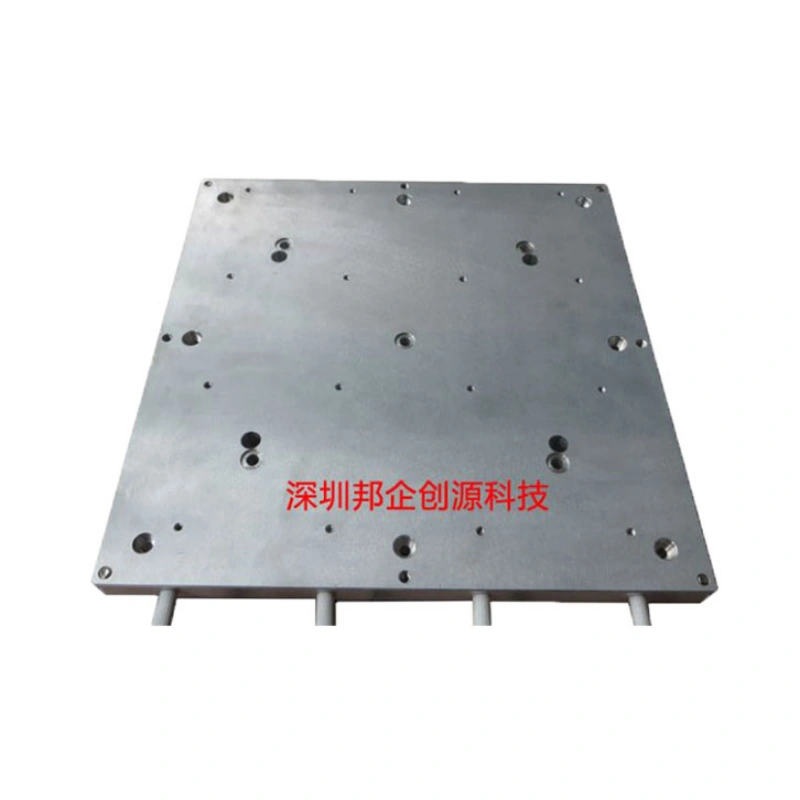
1. Product Features of Cast Aluminum Heating Plate
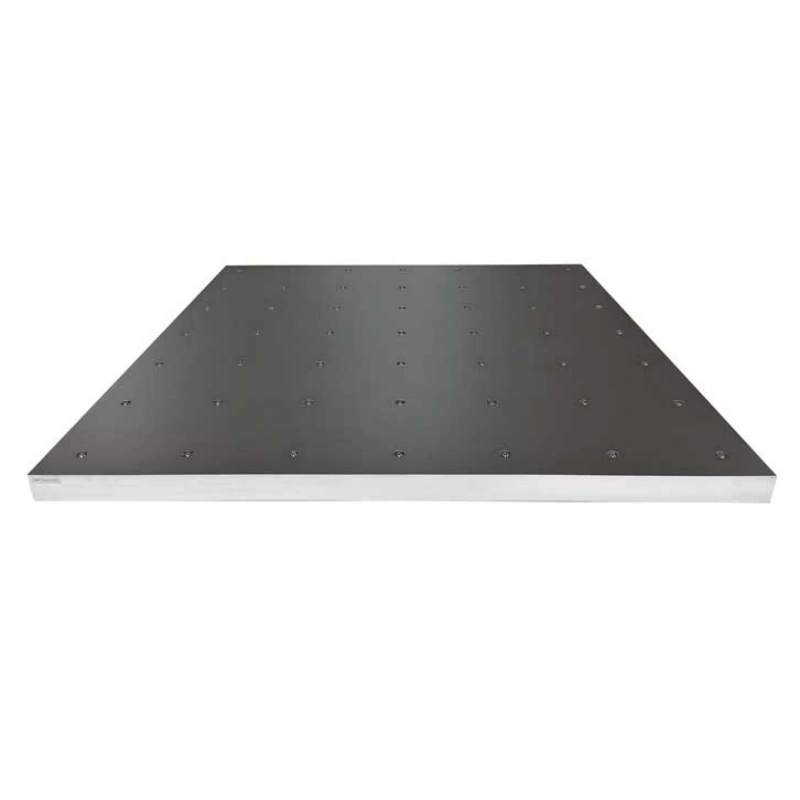
- Cast aluminum heater adopts tubular heating elements cast with standard national grade aluminum ingots, working temperature 150~350℃. Widely applied on plastic machinery, mold heads, cable extruders, chemical, rubber and petroleum equipment. Advantages include long service life, excellent thermal insulation, high mechanical strength, corrosion resistance and anti-magnetic performance, delivering stable heating quality for consistent finished product performance.
- Uniform heat distribution design with high thermal conductivity alloy material eliminates hot spots and cold zones on heating surfaces. External heat dissipation surface can be fitted with thermal insulation layers while inner surface is sintered with far-infrared coating to cut power consumption by 35%. All heating wire adopts imported nichrome wire paired with high-grade insulating materials. Reasonable structural design, precise machining, high thermal efficiency, energy-saving, safe and reliable operation.
2. Operation & Maintenance Instructions
- Check on-site power supply voltage matches the heater’s rated voltage; use matching transformer if voltage mismatches.
- For safety, the metal housing of the electric heater must be reliably grounded.
- If the heater has been stored unused for more than 3 months, perform intermittent power baking: heat for 10 minutes then cut power for 30 minutes, repeat 3~4 cycles to expel internal moisture inside heating elements.
- Store heaters in well-ventilated areas to avoid dampness and corrosion during idle periods.
3. Core Design Requirements for Cast Aluminum Heaters
- Reasonable air flow and temperature rise design: Heater power rises along with air volume and target temperature. Excessively large air flow or over-high temperature rise will drastically boost power consumption and waste energy. Engineers shall balance parameters to achieve optimized energy efficiency.
- Add external thermal insulation layer on heater surface: Most industrial cast aluminum heaters only insulate internal tubes without surface insulation. Test data proves surface insulation can reduce energy loss by 5~10%, bringing remarkable energy savings during long-term continuous operation. Factories shall install insulation on air ducts and outer heater surfaces.
- Minimize internal air pressure drop: Air flowing through the heater creates pressure loss; higher pressure drop leads to larger fan power draw. Optimize internal structural design to lower airflow resistance and cut auxiliary energy consumption.
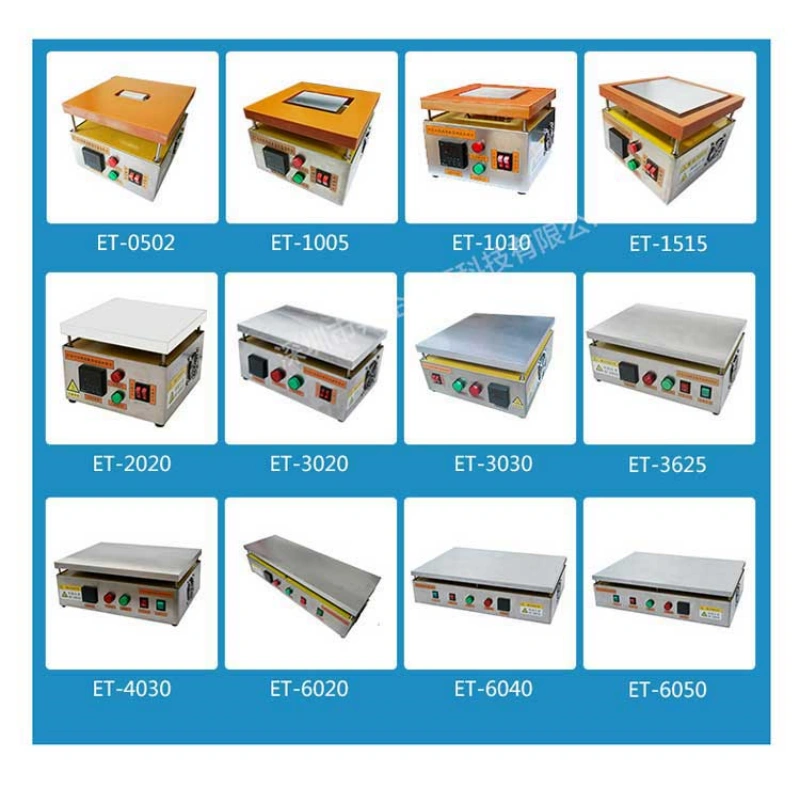
Industrial Cast Aluminum Alloy Heating Plate | Plastic & Extrusion Machinery Heating Equipment