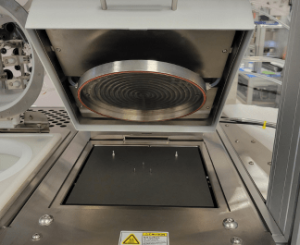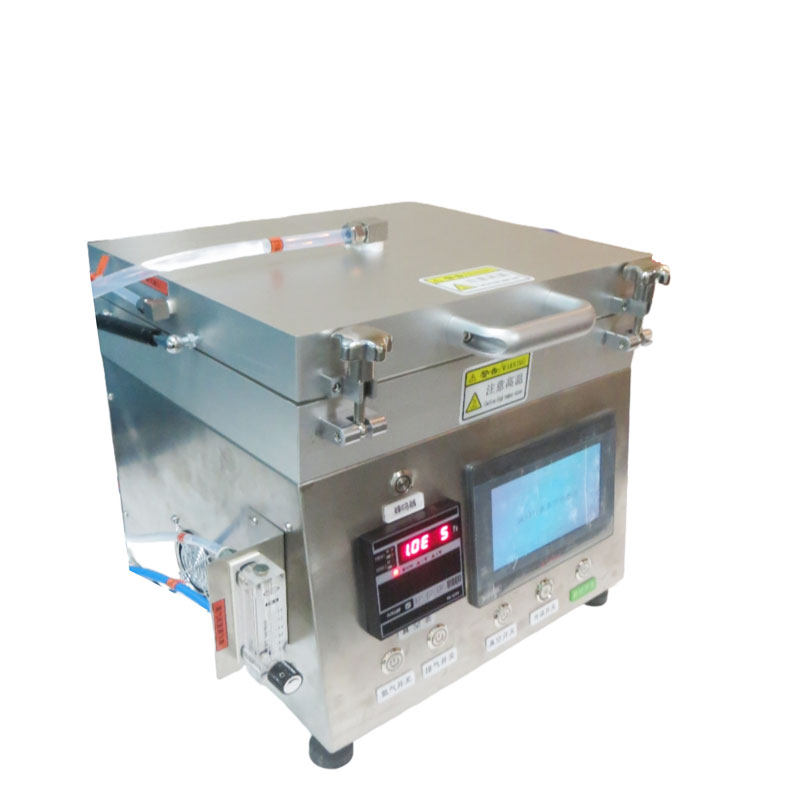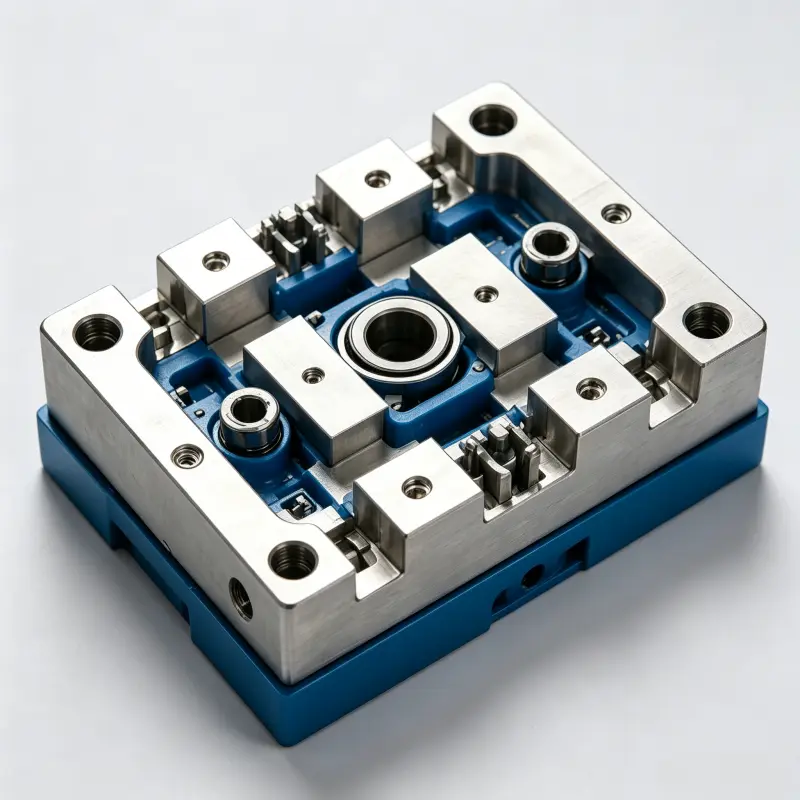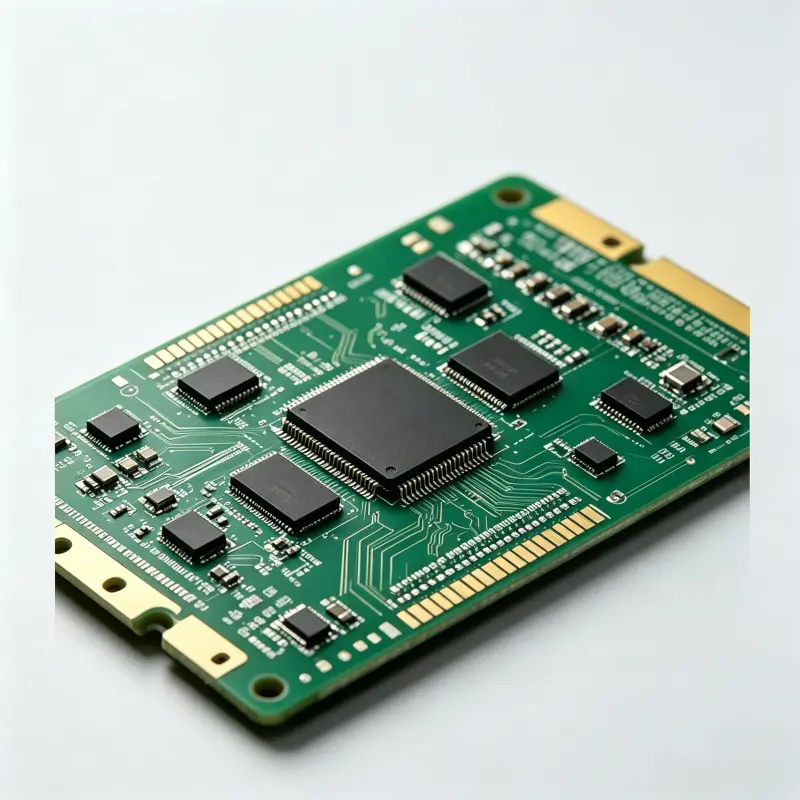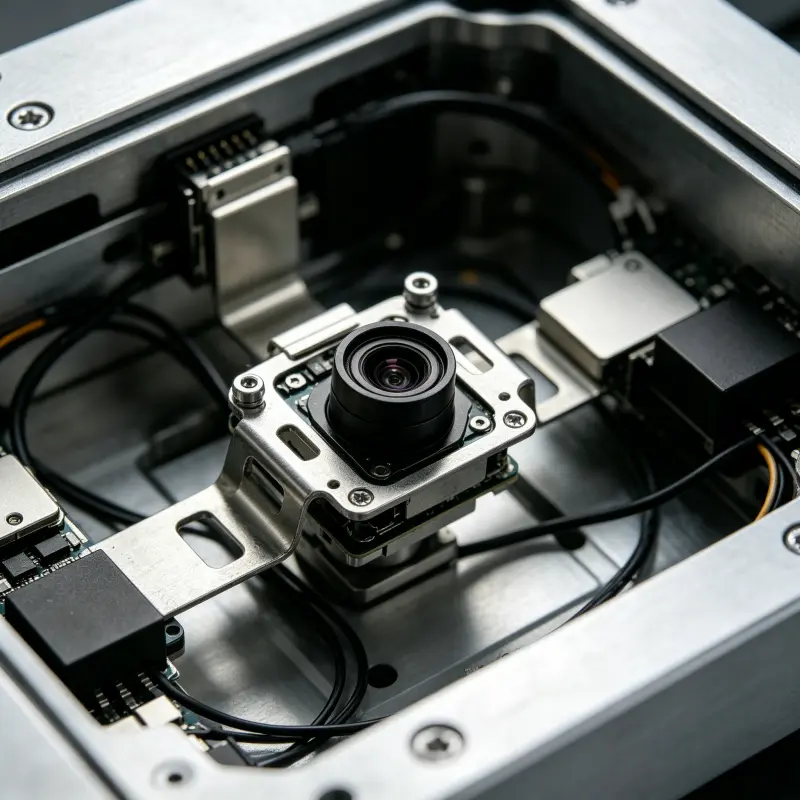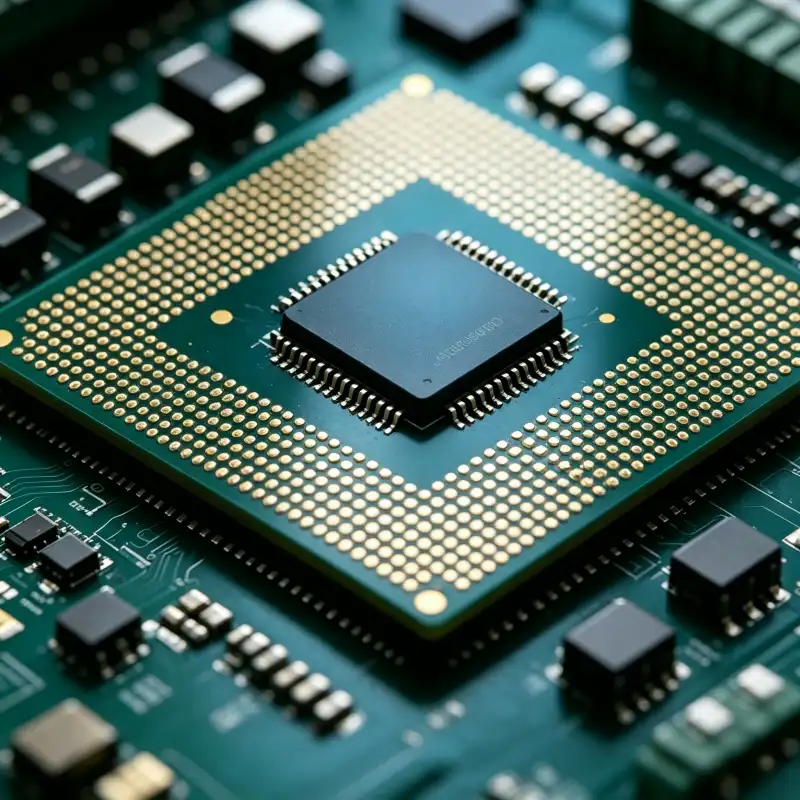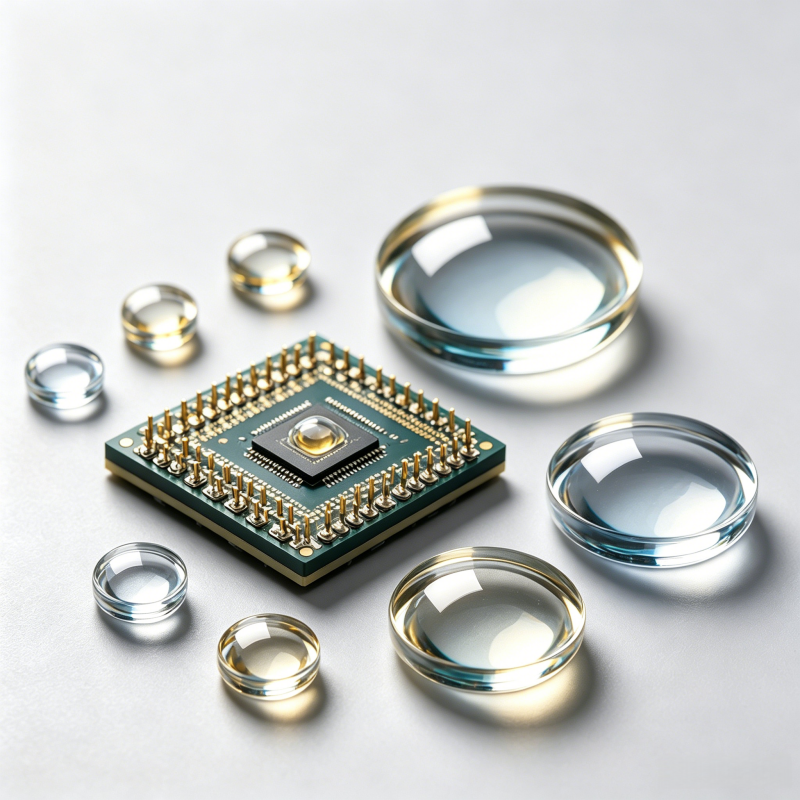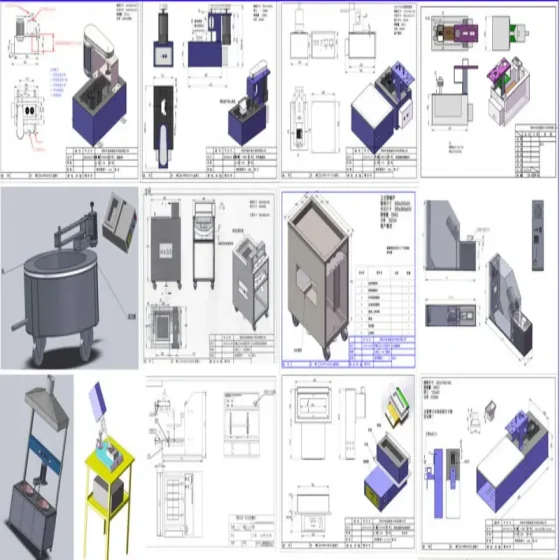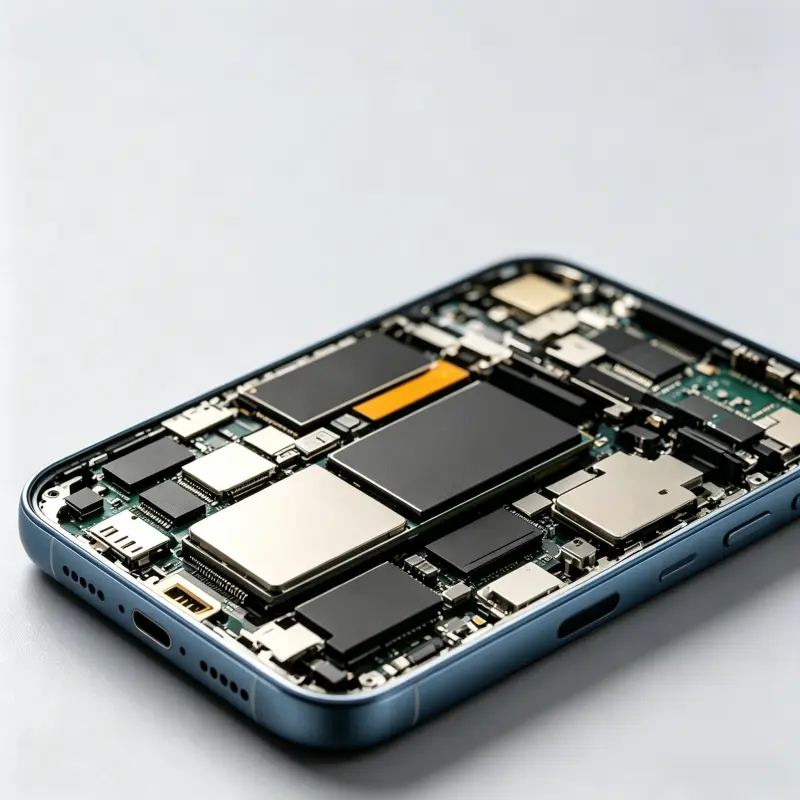

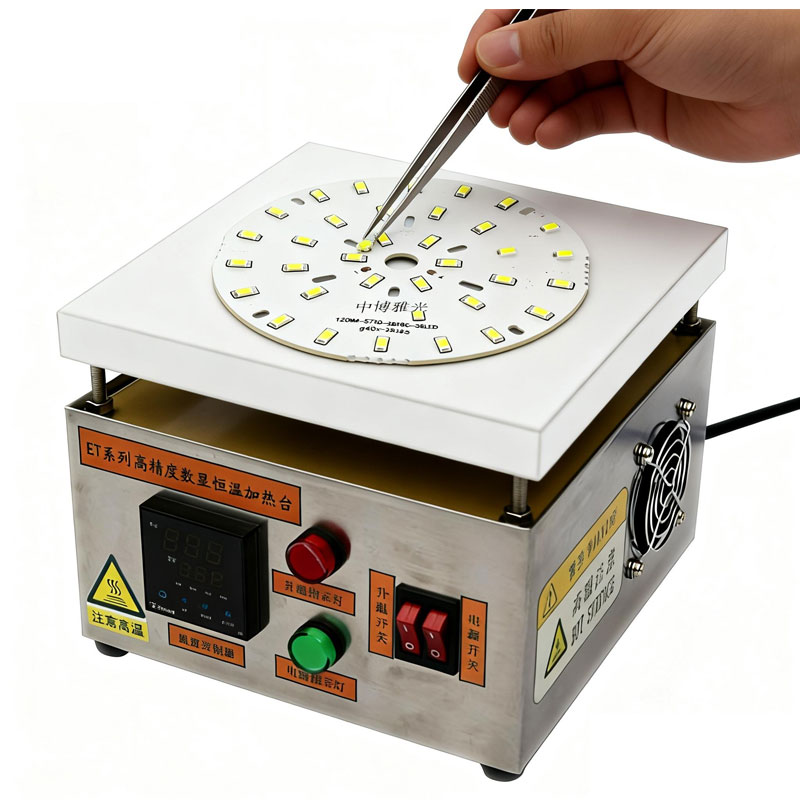
Heating stations are core equipment for precise temperature control and uniform heating in LED and optical manufacturing. By providing a stable thermal field, they ensure consistency and high yield in processes such as soldering, curing, testing, and coating. Suitable for small-batch trials, rework, and precision testing, they feature high precision (±0.1~±1℃), excellent temperature uniformity, and compatibility with cleanroom environments.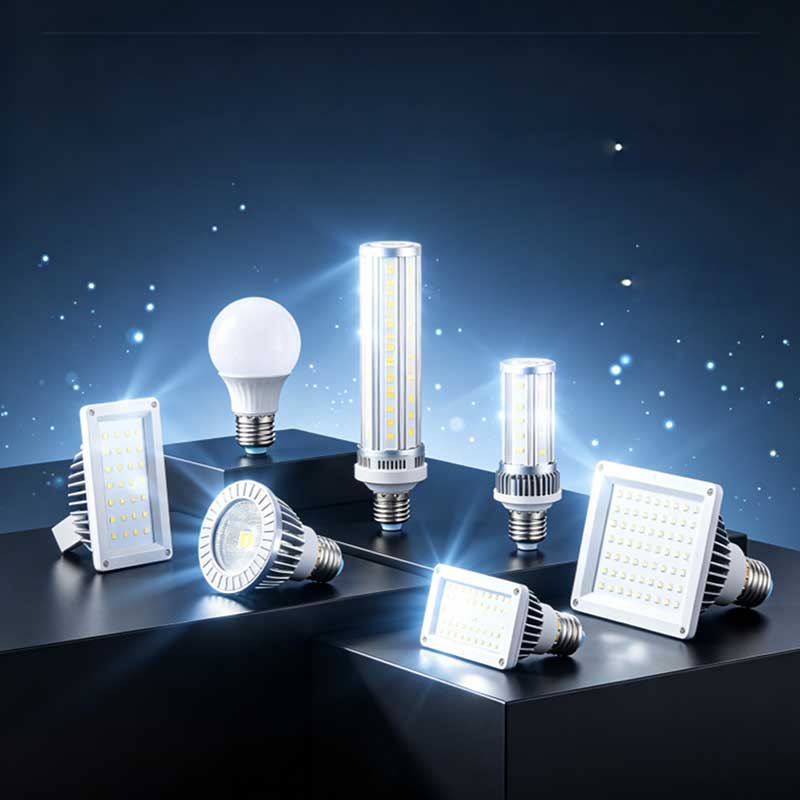
Industrial Heating Stations – Core Applications
LED Manufacturing
- Soldering LED beads on aluminum/copper substrates
- Solder paste curing
- Constant-temperature heating for sealing and dispensing
- Chip rework & repair
- Substrate preheating and dehumidification
Optical Manufacturing
- Pre-coating baking of optical components (lenses, prisms)
- Optical adhesive curing
- Hot-press bonding of precision parts
- Temperature-variable optical testing
- Temperature-controlled testing of wafers & glass substrates
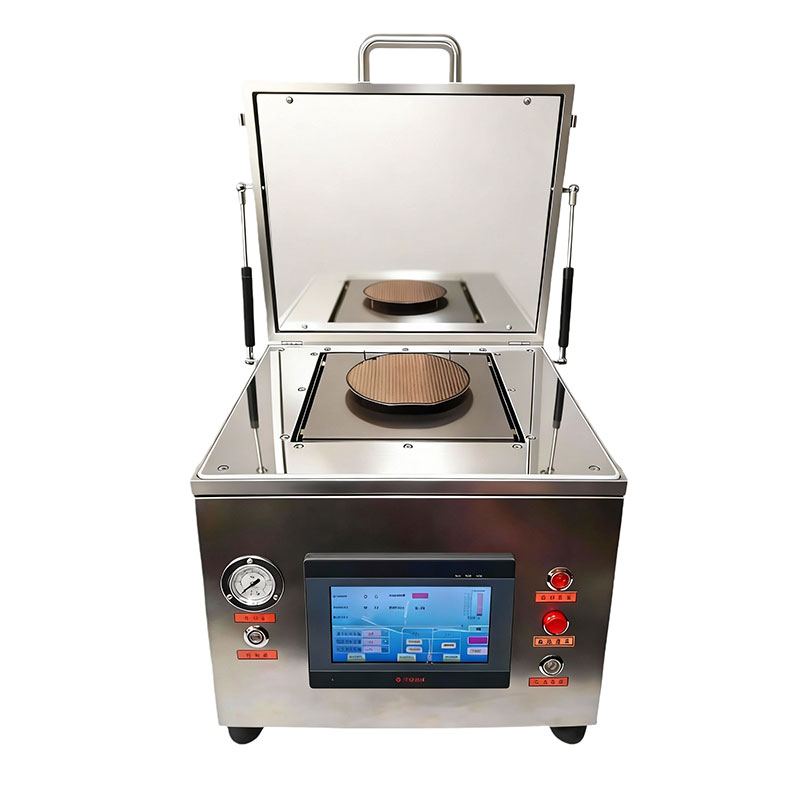
Practical & Implementable Application Cases
Case 1: LED Lighting – Batch Soldering of LED Beads on Aluminum Substrates
Pain Points: Small-batch production (500~2000 pieces/batch) using traditional soldering irons results in low efficiency, high cold solder rates, large temperature deviation (±10℃), and only 85% yield. Reflow ovens are costly and inflexible.
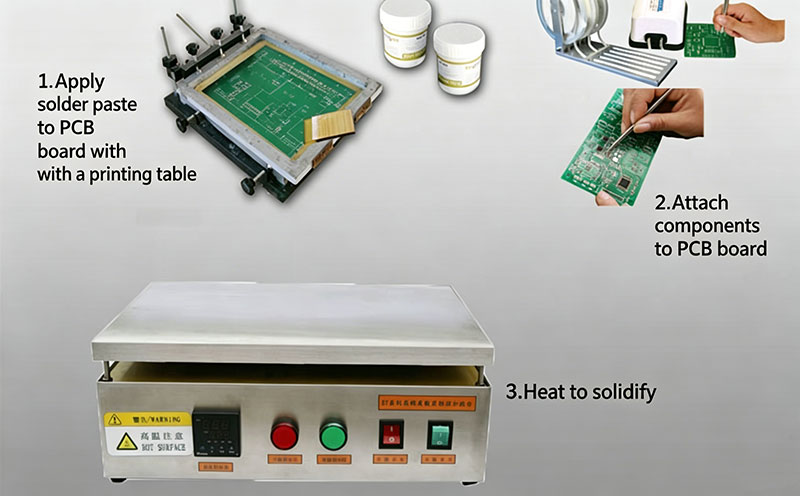
Solution: High-precision constant-temperature heating station (200×300mm, room temp ~ 300℃, ±0.5℃ control).
- Preheat: 80~100℃ for 5 minutes to remove moisture and activate solder paste
- Solder paste printing & mounting: Manual placement of 2835 LEDs
- Soldering: 185~190℃ for 3~5 minutes for full melting and self-alignment
- Cooling & inspection: Cold solder rate < 0.5%
Results: Yield increased to 98.5%, working time reduced by 40%, energy consumption only 1/5 of reflow oven, supports quick changeover for various substrates.
Case 2: Optical Lenses – Precision Optical Adhesive Curing
Pain Points: Mobile lens assembly (glass + plastic) uses UV + thermal curing adhesive. Room-temperature curing is slow with bubbles, reducing light transmittance and bonding strength. Oven heating is uneven and causes plastic deformation.
Solution: Vacuum heating station (150×150mm, room temp ~ 200℃, ±0.1℃, vacuum ≤ -0.08MPa).
- Dispensing & bonding: Apply optical adhesive and align components
- Vacuum heating: Vacuum for 5 minutes (defoaming), then cure at 120℃ for 10 minutes
- Cooling & inspection: Gradient cooling to 50℃; transmittance ≥ 92%
Results: Zero bubbles, yield increased from 90% to 99%, deformation < 0.01mm, fully meets high-precision mobile lens assembly requirements.