

Ceramic Hot Plate
Features & Operating Precautions
Product Overview
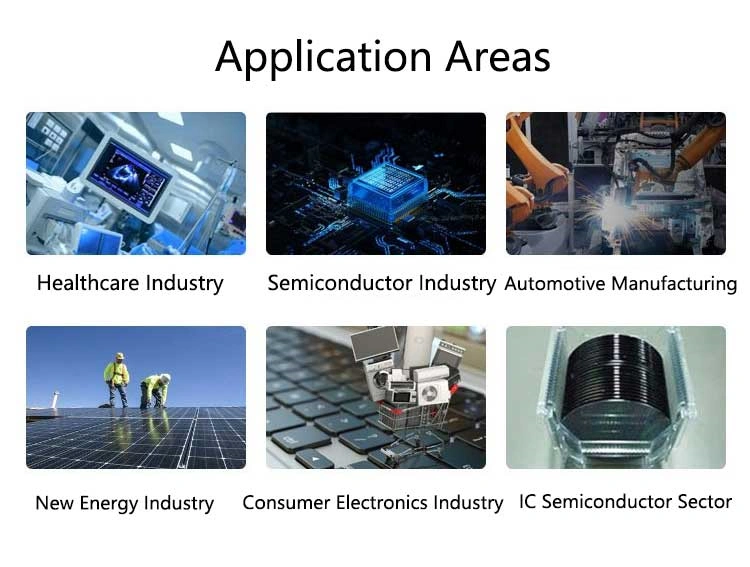
The ceramic hot plate integrates ceramic material with heating technology. It is a high-temperature and long-service-life heating device. It can meet the rising demand of high working temperature in modern industry, widely applied in chemical & fiber industries, engineering plastics, plastic machinery, electronics, pharmaceutical, food processing and pipeline heating applications.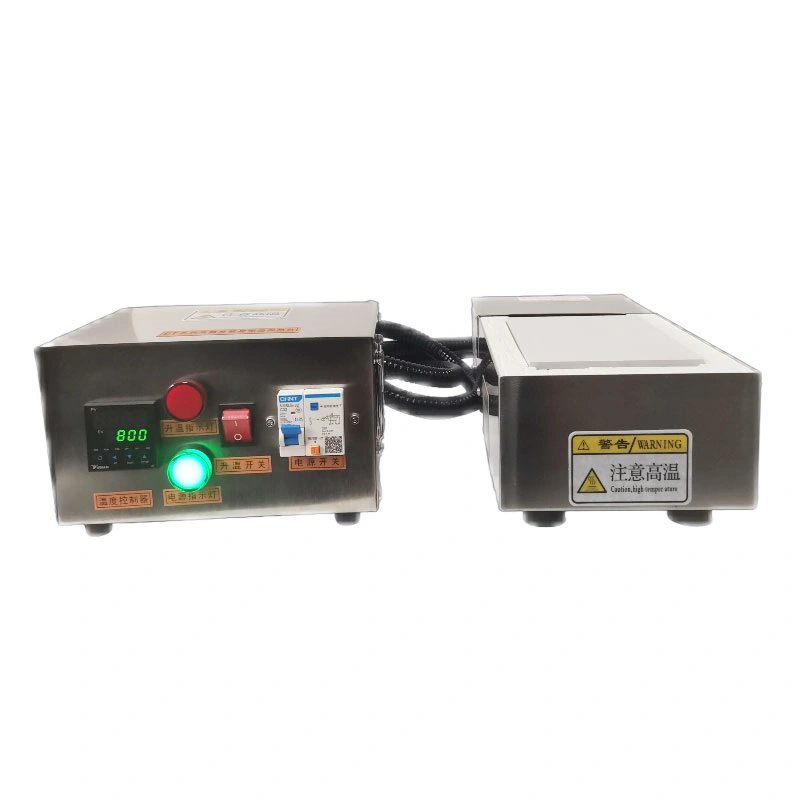
Product Features
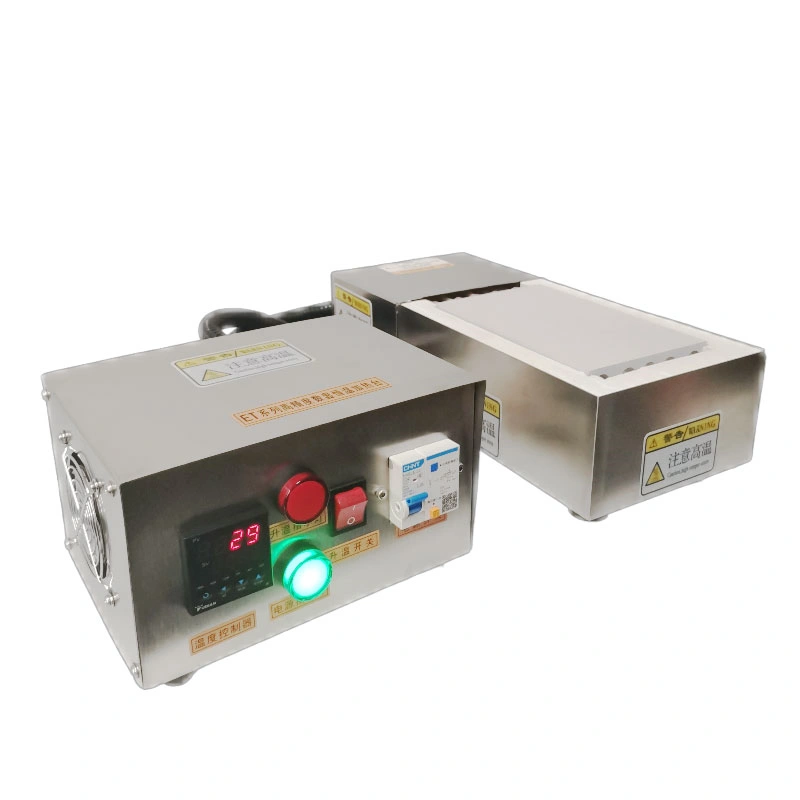
Operating Precautions & Daily Maintenance
FAQ
Q1: What are the main applications of your ceramic hot plate?
A: It is widely used for laboratory sample heating, acid evaporation and digestion. Also suitable for chemical fiber, plastic machinery, electronics, pharmaceutical, food and pipeline heating tasks.
Q2: What advantages does ceramic heating panel have compared with aluminum hot plate?
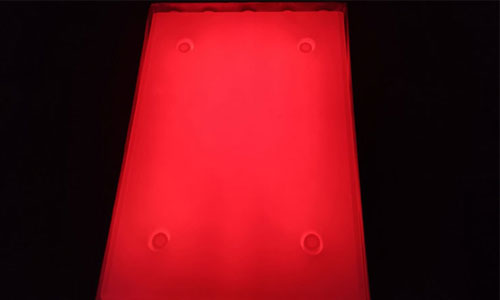
A: Ceramic surface features superior corrosion resistance, good electrical insulation and high temperature resistance. It delivers even heat distribution and is ideal for corrosive sample digestion scenarios.
Q3: Can I customize the size and shape of the ceramic hot plate?
A: Yes. We support custom dimensions and shapes, including plate type and ring type. The manufacturing is not limited by specific sizes or models.
Q4: How to maintain the ceramic hot plate to extend service life?
A: Keep away from oil, water and plastic pellets. Avoid hard impact to prevent ceramic cracking. Regularly clean dust on vents, inspect fan, heating elements and wiring condition.
Q5: What should I do if temperature reading is inaccurate during operation?
A: You can calibrate the temperature controller. Adjust static offset or sensor correction value to fix deviation. If the problem persists, power off and check the temperature sensor and heating body.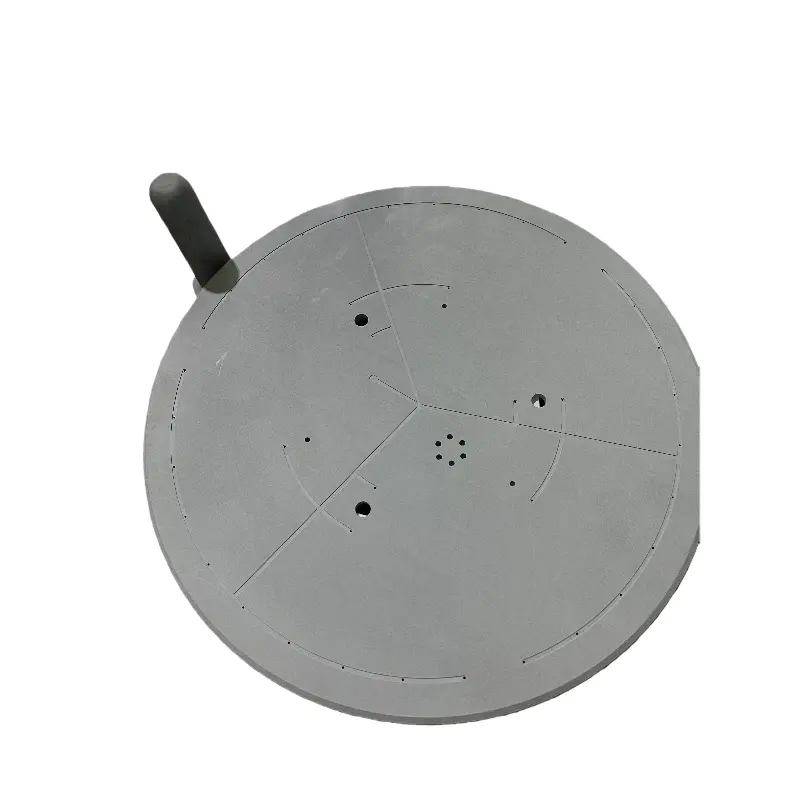
Technical Specifications
| Heating Surface | Ceramic plate / ring ceramic heater |
| Temperature Control | Yudian PID, SSR output, PV/SV dual display, AT auto-tuning |
| Max Working Temp | Up to 450°C |
| Heat Uniformity | Uniform heat distribution across ceramic surface |
| Power Supply | 220VAC, grounded circuit required |
| Cooling Method | Forced air cooling |
| Customization | Custom size & shape available |
WeChat
Scan the QR Code with WeChat